Ghana is intensifying its climate diplomacy to secure global green finance, aiming to support economic transformation and infrastructure development. The nation's domestic public finances remain constrained, limiting its ability to fund large projects. This strategic shift positions climate finance as a critical new source of development capital.
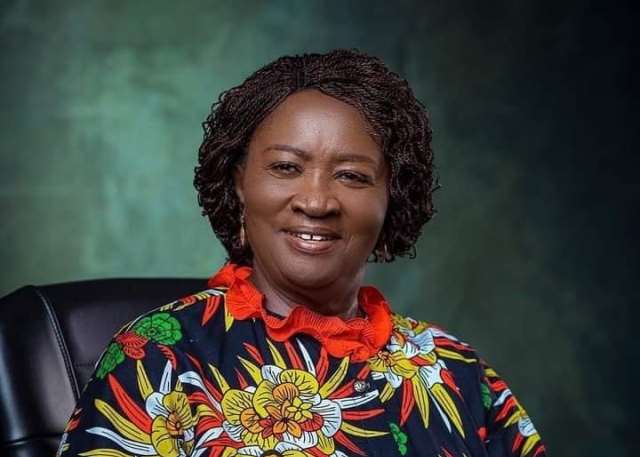
Vice President Professor Jane Naana Opoku-Agyemang has called for deeper, strategic participation in international climate negotiations. She argues that Ghana must strengthen its presence to secure a larger share of global climate finance. This move reflects a growing re-evaluation of Ghana’s development financing strategy. Climate diplomacy is now seen as an economic policy tool, not just an environmental obligation. It aims to mobilise concessional funding, attract private capital, and reduce dependence on costly borrowing. This strategy will help finance projects that strengthen long-term resilience.
This reorientation of Ghana's financing strategy comes at a crucial time. The country is undertaking fiscal consolidation after a period of debt distress and restructuring. Public finances are tight, borrowing options are limited, and commercial financing costs remain high. Climate finance offers an alternative capital pool. However, it is highly competitive and requires strong project preparation and negotiation capabilities. This approach aligns with Ghana's broader economic recovery efforts, such as the 24-Hour Economy policy and the Big Push infrastructure initiative.
Vice President Opoku-Agyemang emphasises that successful climate diplomacy is an economic strategy. She believes it can address threats to agriculture, energy security, and critical infrastructure. Her call places climate negotiations at the centre of Ghana’s external financing agenda. Ghana must influence outcomes, defend its priorities, and ensure funding mechanisms reflect its development needs. The quality of a country's proposals, institutional credibility, and clear policy framework are crucial. Countries that negotiate effectively and prepare strong investment pipelines are more likely to secure concessional loans, grants, and private co-investment.
Ghana has already begun building a framework for this strategic shift. The Ministry of Finance announced the formal validation of the country’s revised Climate Prosperity Plan in March 2026. This plan provides an updated investment and financing framework for climate-resilient growth. It identifies financing instruments like debt-for-climate swaps and carbon market transactions under Article 6 of the Paris Agreement. It also includes blended finance mechanisms and increased engagement with multilateral development banks to attract private investment. This integrated approach aims to ensure climate investment multiplies national development priorities, rather than operating as a stand-alone environmental programme. This framework is vital for Ghana's long-term fiscal stability and green growth.