Ghana's government has expanded the Livelihood Empowerment Against Poverty (LEAP) program to cover 450,000 households. This expansion includes increased grant payments to beneficiaries, aiming to provide greater support to vulnerable families.
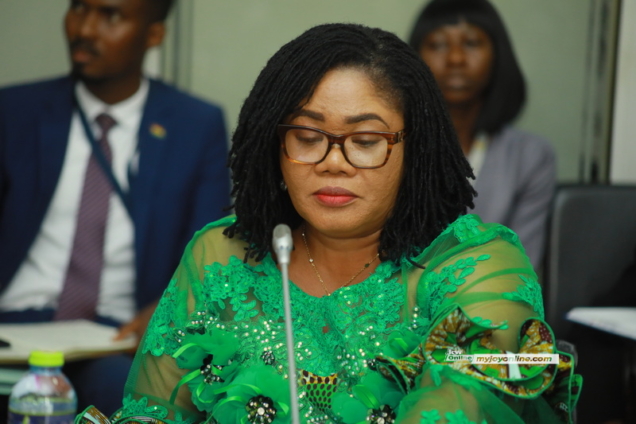
The Minister for Gender, Children and Social Protection, Dr. Agnes Naa Momo Lartey, confirmed the expansion. She stated that a nationwide reassessment of beneficiaries informed this decision. The reassessment used data from the Ghana National Household Registry to identify households most in need.
This significant expansion of a key social safety net program reflects the government's ongoing efforts to mitigate economic hardship. High inflation and cost of living increases have impacted many Ghanaian households. Programs like LEAP are crucial for protecting the poorest segments of society from further economic shocks. The initiative aligns with broader national development goals focused on poverty reduction and social equity.
Dr. Lartey explained that the adjustment was necessary to make LEAP more responsive to the changing economic circumstances of beneficiary households. She previously indicated that the program is undergoing reforms. These reforms aim to improve targeting and ensure assistance reaches those who need it most. The first and second payment cycles for 2026 began on Monday, September 14, with both cycles being disbursed together.
The increased grants represent a direct financial injection into the households of Ghana's most vulnerable citizens. Households with one or two members will now receive GHS 392 per bi-monthly cycle if a vulnerable member is present, or GHS 380 otherwise. For households with three to four members, payments will be GHS 474 or GHS 452. Larger households, with five or more members, will receive GHS 630 or GHS 594. These revised payment structures aim to provide more meaningful support in the face of current economic pressures.
This move is expected to have a tangible impact on the purchasing power of beneficiary families. It will help them meet basic needs like food, healthcare, and education. The government's commitment to securing funding for LEAP underscores its importance as a social protection tool. Such programs are vital for maintaining social stability and reducing inequality. They also contribute to human capital development by enabling families to invest in their children's future.
The expansion and increased grants demonstrate a proactive approach to social welfare. It acknowledges the persistent challenges faced by many Ghanaians. Policymakers will closely monitor the program's effectiveness. They will assess its impact on poverty levels and household resilience. The success of this expansion will depend on efficient disbursement and continued accurate targeting of beneficiaries. This initiative is a critical component of Ghana's broader strategy for inclusive economic growth.