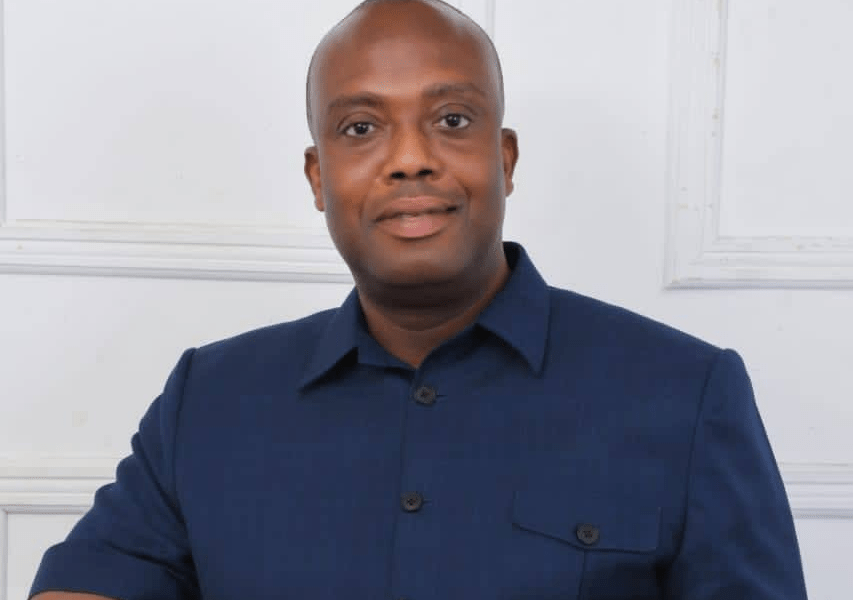
Ghana's Deputy Finance Minister, Thomas Nyarko Ampem, has declared that the nation's economy is undergoing a significant transformation. This improvement, he stated, is a direct result of the government's commitment to wise spending and fiscal discipline. Mr. Ampem highlighted that the era of excessive borrowing and unnecessary expenditure in Ghana has concluded under the current administration.
The Deputy Finance Minister explained that the government now operates strictly within its means, avoiding spending money it does not possess. This deliberate strategy to eliminate waste from the system has been crucial in boosting government revenue. He affirmed that the economic growth Ghana is currently experiencing stems from these prudent spending habits and a vigorous pursuit of revenue collection.
This assertion by Mr. Ampem places the current economic trajectory in stark contrast to previous periods. Ghana has historically grappled with high public debt and budget deficits, often fueled by substantial borrowing and inefficient resource allocation. The government's current focus on fiscal consolidation and domestic revenue mobilization aims to create a more sustainable economic foundation, reducing reliance on external financing.
Speaking on TV3's 'Key Points' on Saturday, July 25, Mr. Ampem stressed the importance of comparing the present economic situation to what the current government inherited. He argued that understanding the starting point is essential to fully appreciate the achievements made. This perspective is critical for evaluating the government's performance and the effectiveness of its economic policies.
The implications of this shift are far-reaching for Ghana's economic future. A sustained commitment to wise spending and revenue generation could lead to greater macroeconomic stability, potentially attracting more foreign direct investment. It could also reduce the country's debt burden, freeing up resources for critical development projects and social services. Investors and international financial institutions will closely monitor the government's adherence to these fiscal principles.
Furthermore, the emphasis on not spending what the government does not have signals a move towards greater financial accountability. This approach is vital for building public trust and ensuring that taxpayer money is used efficiently. The government's ability to maintain this discipline will be a key determinant of Ghana's long-term economic health and its standing in the global financial community.
The Deputy Finance Minister's comments underscore a strategic pivot towards self-reliance and fiscal prudence. This policy direction aims to insulate the economy from external shocks and foster resilient growth. The success of these measures will ultimately be judged by sustained improvements in key economic indicators and the overall well-being of Ghanaian citizens.