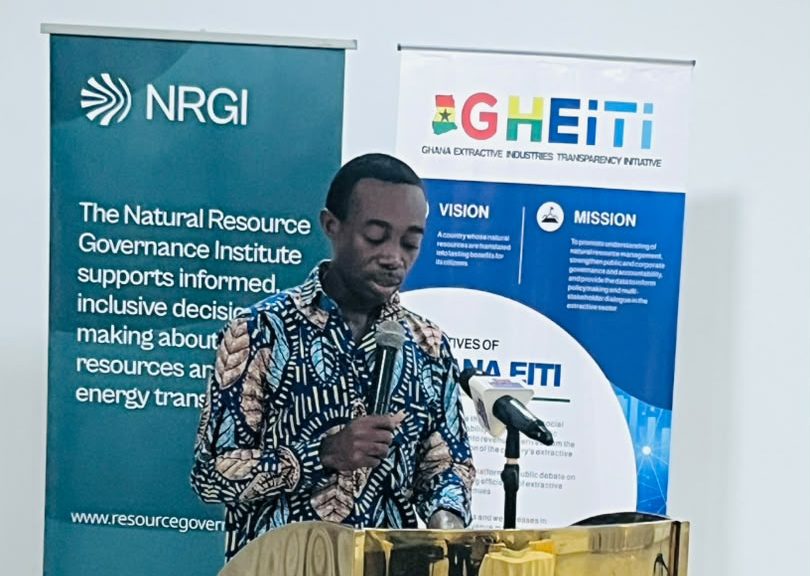
Ghana’s mining communities received only 50.60% of expected Minerals Development Fund (MDF) transfers from 2017 to 2021. The Natural Resource Governance Institute (NRGI) reported this significant shortfall, indicating a major challenge in implementing existing laws.
This low disbursement rate, below 51%, shows that Ghana faces problems with consistently applying its own rules. The failure to fully transfer these funds to local communities weakens their ability to develop infrastructure, improve livelihoods, and address the impacts of mineral extraction. David Adjei, representing NRGI, highlighted persistent delays, partial payments, and weak adherence to legal obligations.
This issue fits into a broader discussion about whether Ghana’s significant mineral wealth truly benefits its citizens. Despite having strong laws for managing mining revenues, including the Minerals Development Fund Act, gaps in execution prevent funds from reaching their intended recipients. These implementation failures undermine public trust and raise questions about the fairness of resource distribution in a country rich in minerals.
Mr. Adjei stated, "The central question before us is no longer about disclosure alone, but about what is done with that information." He emphasized that Ghana's problem is not a lack of regulations. Instead, it is a lack of discipline to follow through on existing laws consistently. NRGI's research shows that without proper implementation, the benefits of transparency efforts are lost.
This situation has critical implications for the accountability of local authorities and the effectiveness of development projects. Mining communities cannot plan or implement projects when funding is unreliable and incomplete. This disconnect deepens the gap between the scale of mineral extraction and visible development in these resource-rich areas. It also makes it harder for citizens to hold leaders accountable for how revenues are spent.
The Minerals Development Fund was established to ensure a portion of Ghana's mineral earnings supports development in communities affected by mining. However, delays and partial transfers leave local authorities and communities unable to effectively plan or execute projects. This outcome means community needs for roads, schools, health facilities, and jobs remain unmet despite local extraction activities.
NRGI believes the next stage of reform must focus on using data to improve decision-making and development outcomes. Transparency alone does not build infrastructure or restore damaged land. It only becomes useful when citizens, institutions, and policymakers use information to demand accountability, correct leakages, and ensure funds reach their destinations. Weak oversight makes it difficult to assess if mineral revenues address urgent development needs.
Mr. Adjei also pointed out limited community involvement as a major weakness in local mining governance. He argued that mining communities should participate actively in deciding how mineral revenues are used. Their involvement should be institutionalized within local development planning processes. This ensures that projects truly reflect local priorities and needs.