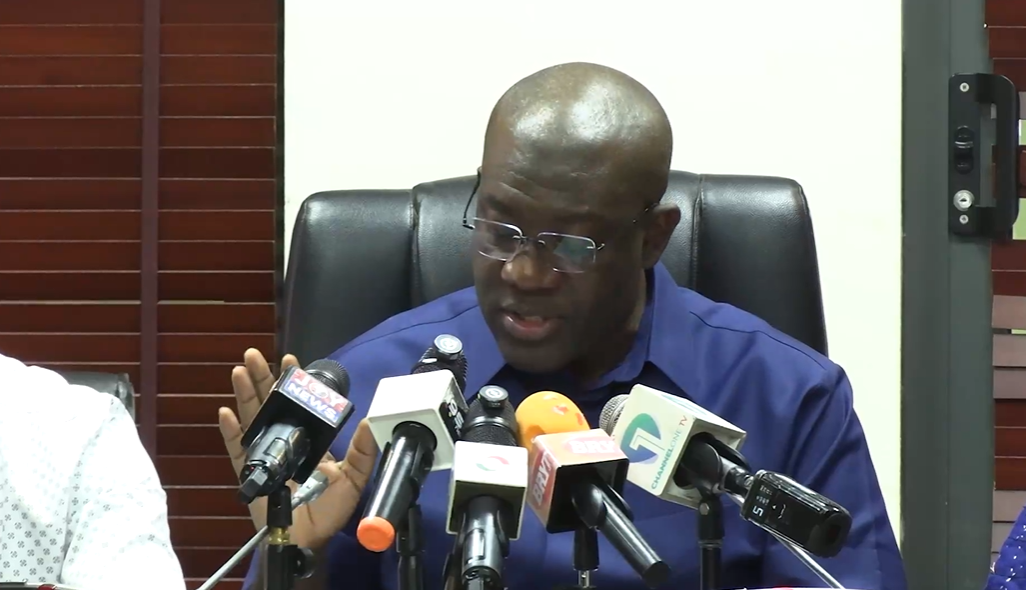
The New Patriotic Party (NPP) has expressed significant concern that Ghana’s growing national debt could jeopardize the country’s ability to meet its debt reduction targets under the International Monetary Fund (IMF) program. This warning comes ahead of the 2026 Mid-Year Budget Review, emphasizing the urgency of the situation.
Kojo Oppong Nkrumah, the Ranking Member of Parliament’s Economy and Development Committee, urged the government to provide a clear explanation of the country's current debt situation. He highlighted discrepancies in debt projections, noting that the Bank of Ghana places the debt at about 45% of Gross Domestic Product (GDP), while the IMF expects it to rise to approximately 53% by year-end. This divergence in figures necessitates a unified and reliable debt statement from the Finance Minister.
This concern fits into Ghana's broader economic narrative, which has been characterized by efforts to stabilize public finances and restore macroeconomic stability. The country entered an IMF-supported program to address its high debt burden and economic challenges. Achieving the program's debt-to-GDP targets is crucial for regaining investor confidence and ensuring sustainable economic growth. The current debate underscores the delicate balance between government spending and fiscal prudence.
Mr. Oppong Nkrumah explicitly warned that continued government borrowing at the current pace could make it challenging for Ghana to achieve its debt target under the IMF program. He explained that Ghana is expected to reduce its debt-to-GDP ratio to approximately 55% by the end of 2028. Failure to meet this target could have serious repercussions for the country's economic outlook.
He called on the Finance Minister to present a comprehensive debt sustainability report during the Mid-Year Budget Review. This report should clearly demonstrate that Ghana’s efforts to reduce its debt burden are yielding meaningful results. Such transparency is vital for both domestic and international stakeholders.
The implications of failing to manage the debt effectively are substantial. It could lead to increased borrowing costs, a depreciation of the Ghana Cedi (GHS), and reduced foreign direct investment. Decision-makers and markets will closely watch the Finance Minister’s presentation for clarity on the debt situation and concrete plans for fiscal consolidation. The government's ability to align its borrowing with the IMF's targets will be a key indicator of its commitment to economic recovery.
Mr. Oppong Nkrumah also raised concerns about the government’s planned rebasing of Ghana’s GDP. He requested an explanation from the Finance Minister on how these new GDP figures would affect the country’s debt calculations. Transparency regarding the methodology used to determine the debt-to-GDP ratio is essential for maintaining credibility and public trust.
The ongoing discussion about Ghana's debt highlights the critical need for fiscal discipline and accurate reporting. The government's response to these concerns will significantly influence Ghana's economic trajectory in the coming years. A clear and consistent message on debt management is paramount for reassuring both citizens and international partners.