Ghana has successfully reduced the share of government revenue allocated to debt servicing to below 20.00%. This marks a significant improvement from the previous figure of over 50.00% during the peak of its fiscal crisis. This positive development indicates that ongoing debt restructuring and fiscal consolidation efforts are creating room for other critical public spending priorities.
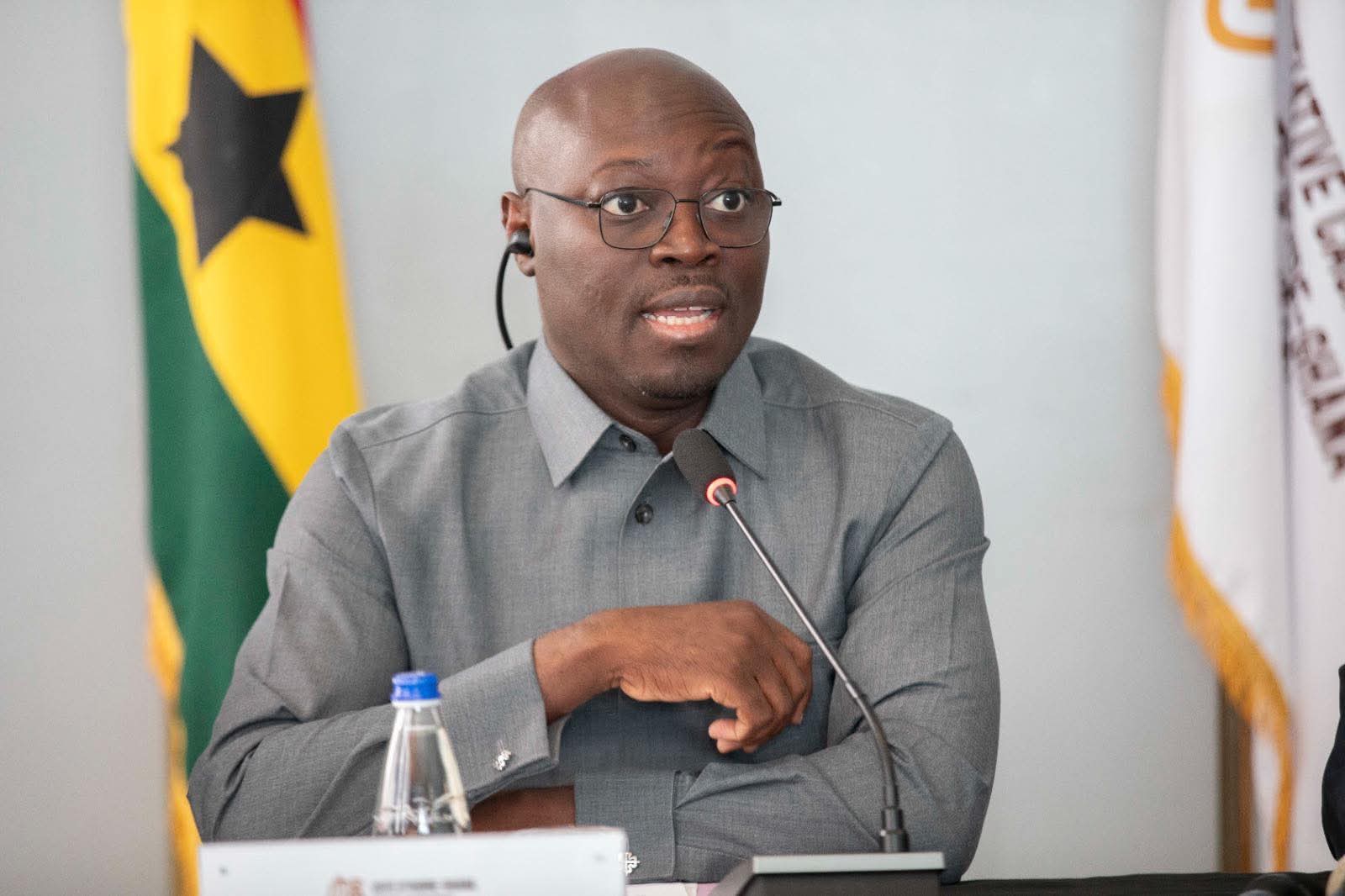
The Finance Minister, Dr. Cassiel Ato Forson, confirmed this progress. He stated that the improvement reflects strides in restoring debt sustainability. Previously, interest and principal repayments consumed more than half of national revenue. This severely limited government expenditure on essential infrastructure and public services like schools and hospitals.
This reduction in debt burden is a crucial step for Ghana's economic stability. A government spending over 50.00% of its revenue on debt has little flexibility. It struggles to respond to economic shocks, maintain infrastructure, or expand social programmes. Reducing this burden to below one-fifth of revenue fundamentally changes Ghana’s fiscal structure. It frees up a greater share of public resources for other obligations.
Dr. Forson highlighted the positive shift, stating, “Today, I am proud to say that we have made significant progress. We now spend less than 20 percent of our revenue on servicing debt!” This achievement follows Ghana’s restructuring of both domestic and external liabilities. The government had suspended payments on much of its external debt in December 2022.
The fiscal crisis effectively shut Ghana out of international capital markets. It also weakened confidence in the nation's financial health. This situation eventually led Accra to secure a US$3.00 billion programme with the International Monetary Fund. The restructuring altered Ghana’s repayment profile by extending maturities. This reduced immediate pressure on the budget. Simultaneously, the government pursued fiscal consolidation to restore confidence and lower financing needs.
Public debt stood at about 44.70% of gross domestic product (GDP) at the end of 2025. This compares to 61.80% a year earlier, according to figures presented by the Finance Minister. This represents a decline of 17.10 percentage points in just one year. However, the reduction in the debt-service-to-revenue ratio requires careful interpretation. Part of the improvement reflects the restructuring of obligations, not the permanent disappearance of liabilities. Rescheduled repayments reduce immediate budget pressure, but the debt still exists and will eventually mature.
Ghana’s current fiscal space is therefore partly a function of timing. If the government maintains strong primary balances, improves revenue collection, and restrains new borrowing, this breathing room could become durable. If debt accumulation accelerates again, the current improvement could prove temporary. This risk becomes more important as Ghana prepares to rebuild a medium- and long-term domestic borrowing market. The government has also continued making payments associated with the Domestic Debt Exchange Programme (DDEP). Cumulative DDEP payments since 2025 have reached about GHS 41.36 billion.
The fiscal transition is not simply a story of falling debt ratios. Ghana is moving from the emergency phase of restructuring. It now faces the more difficult task of constructing a credible post-default financing framework. For investors, the central question is whether the discipline imposed during the crisis will survive as financing conditions improve. Dr. Forson has sought to address this concern. He emphasised stronger fiscal rules designed to constrain future governments. These rules aim to limit renewed accumulation of unsustainable liabilities. “We are ensuring the fiscal rules we have instituted are enshrined in law,” he stated. This ensures that “no matter which government is in office, these rules will be respected.”
Ghana has experienced repeated cycles of fiscal consolidation followed by renewed expenditure pressures. These pressures are particularly evident around election periods. A durable decline in debt vulnerability will depend not just on passing fiscal rules. It also requires consistent enforcement. Transparent accounting, stronger parliamentary scrutiny, and tighter controls over commitments will be crucial. These measures matter as much as the wording of the legislation itself. The lower debt-service burden also creates expectations about how the resulting fiscal space should be used. Redirecting even part of the resources previously absorbed by debt towards transport, healthcare, and education will be vital for Ghana's long-term development.