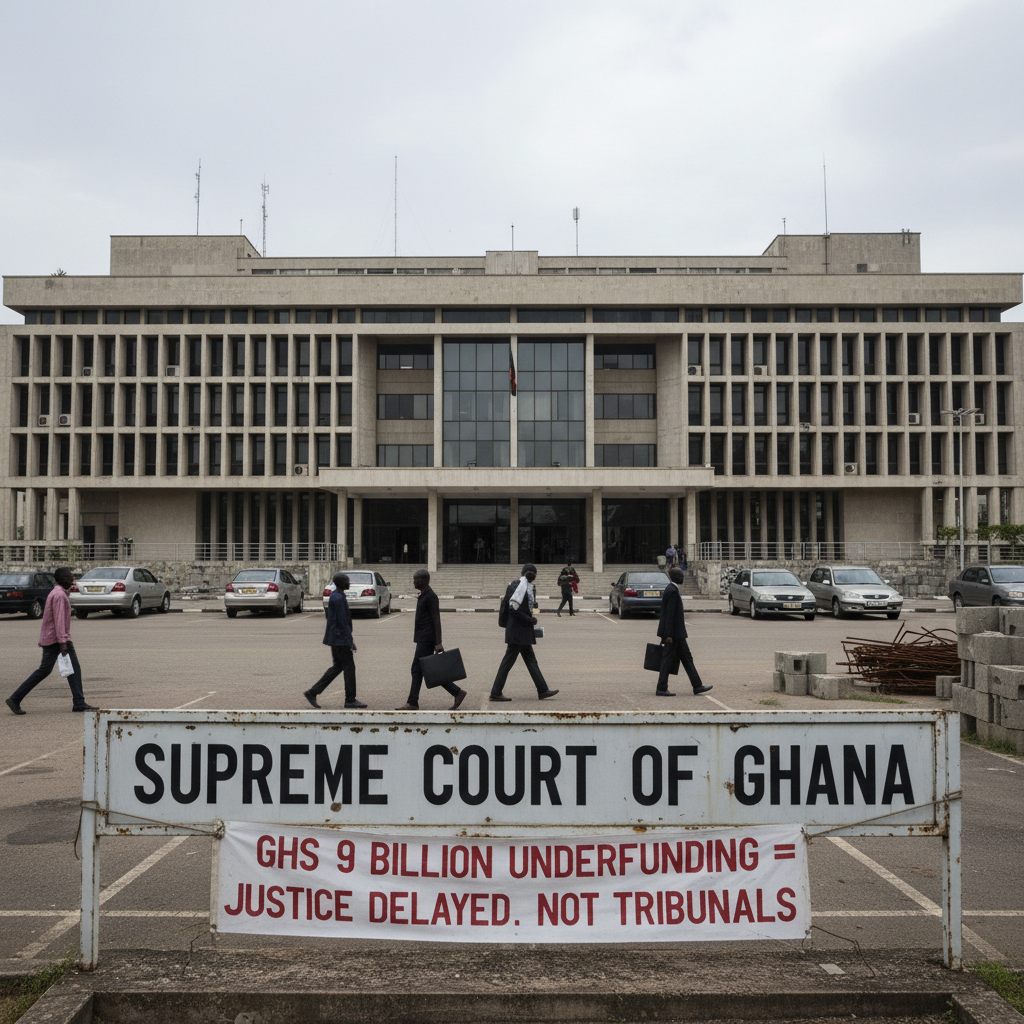
Ghana's judicial system faces significant delays because 20% to 30% of its 450 courts operate without substantive judges, leading to frequent adjournments. This assessment comes from the Centre for Legitimacy and Rule of Law (CLRL). The CLRL states that chronic underfunding is the primary cause of these operational difficulties.
These delays impose substantial financial and emotional burdens on litigants. The CLRL argues that reviving constitutional tribunals, as proposed by the Attorney General, will not solve the problem. Instead, the think tank insists that addressing the deep-seated financial and logistical issues plaguing existing courts is essential.
The current situation fits into Ghana's broader challenge of public sector resource allocation. Many government institutions struggle with inadequate funding despite their critical functions. Data indicates that judicial underfunding has been a persistent issue over several years, impacting various aspects of justice delivery. For instance, the promotion of 40 magistrates this year left many District Courts without replacements, exacerbating staffing shortages.
Dr. Dominic Ayine, Attorney General and Minister of Justice, introduced the Tribunals Bill to Parliament. This bill aims to revive tribunals established under the 1992 Constitution. However, the CLRL believes Dr. Ayine's focus on tribunals overlooks the deeper structural problems. They contend that creating new systems without fixing old ones is ineffective.
The CLRL urges the Attorney General, President John Dramani Mahama, and the Minister for Finance to prioritize sustainable funding for the existing court system. They propose legislation to earmark a fixed percentage of annual revenue for the judiciary. This would provide a predictable and independent funding stream. Such a measure would enable the judicial service to recruit more judges, expand court infrastructure, and improve service delivery. The CLRL also suggests reforms requiring the Chief Justice to account to Parliament for financial management.
Without increased funding, the operational challenges will likely worsen. Investing in tribunals could divert scarce resources from where they are most needed, making the problem bigger. Decision-makers and the public will watch how the government balances judicial reform with financial realities. The effectiveness of the justice system directly impacts investor confidence and the rule of law in Ghana. Overcoming these funding hurdles is crucial for economic stability and social equity.
The CLRL also highlighted other issues stemming from underfunding. Many courts lack basic equipment like recording devices, computers, and photocopiers. This makes it difficult to obtain court records and slows appeals. In some cases, court users must transport staff to commercial photocopying centres. The Centre warns that new tribunals would incur additional costs, including salaries for chairpersons and allowances for panel members. They drew parallels with past industrial actions by jurors over delayed payments, suggesting similar issues could arise with tribunal members without proper funding. These problems indicate a systemic crisis reducing the speed and effectiveness of justice administration across the country.