President John Dramani Mahama has directed the immediate release of GHS 300 million from Ghana's Contingency Fund. This significant allocation aims to support victims and address the widespread devastation caused by recent torrential rains and floods across southern Ghana.
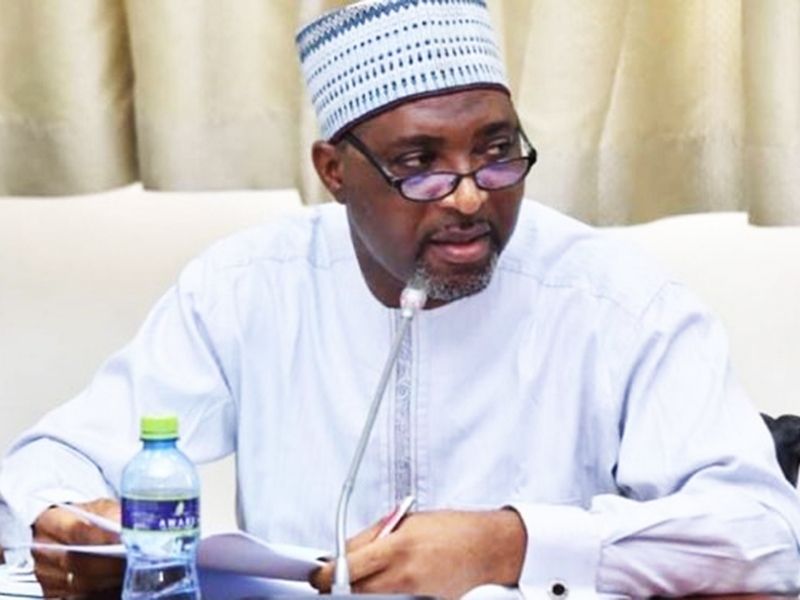
The floods claimed at least 12 lives, displaced 38,802 people, and left seven others missing. More than 7,761 households were impacted across 18 metropolitan and municipal areas. The Minister for the Interior, Mohammed Muntaka Mubarak, reported these figures to Parliament on Tuesday, June 30, 2026.
This emergency funding highlights the persistent challenge of urban flooding in Ghana, particularly in Accra. Communities like Ga East, Ledzokuku, and Korle Klottey regularly experience severe disruptions. The 169 millimetres of rainfall on June 29 was Ghana's fourth-highest single-day rainfall since 1995. This pattern underscores the need for robust infrastructure and effective urban planning to protect properties and livelihoods.
Of the total GHS 300 million, GHS 150 million will provide emergency assistance to flood victims. The remaining GHS 150 million will finance critical measures aimed at preventing future flooding events. President Mahama also deployed personnel from the Ghana Armed Forces and Ghana Police Service to assist the National Disaster Management Organisation (NADMO) in rescue and relief operations.
The Ghanaian Chronicle, in an editorial, welcomed the intervention but stressed the critical need for transparent implementation. It urged government officials to ensure every cedi allocated for relief reaches genuine victims. The editorial also called for accountability, stating that misapplication of funds would undermine public trust and the purpose of the allocation. The public deserves to know how the GHS 150 million for relief is spent, who the beneficiaries are, and how the distribution process is monitored. Transparency in the distribution of relief items and funds is crucial to prevent favouritism or political patronage.
The proper use of the GHS 150 million for flood mitigation is equally important. This portion of the funds should not disappear into endless studies. Ghanaians expect visible actions, such as desilting drains, enforcing building regulations, and improving drainage infrastructure. Addressing indiscriminate development on waterways is also vital to prevent future tragedies. The rainy season is not over, so government must proactively move vulnerable residents from flood-prone areas. This preventive approach will avert further disasters.
Parliament is expected to exercise its constitutional oversight over the entire GHS 300 million intervention. Members of Parliament must ensure all funds are accounted for and spent strictly for their intended purposes. Parliamentary committees will demand periodic reports from implementing agencies. Institutions like the Auditor-General will also closely monitor the use of these public funds. This scrutiny is essential to guarantee that the funds bring lasting relief and protection to affected communities.