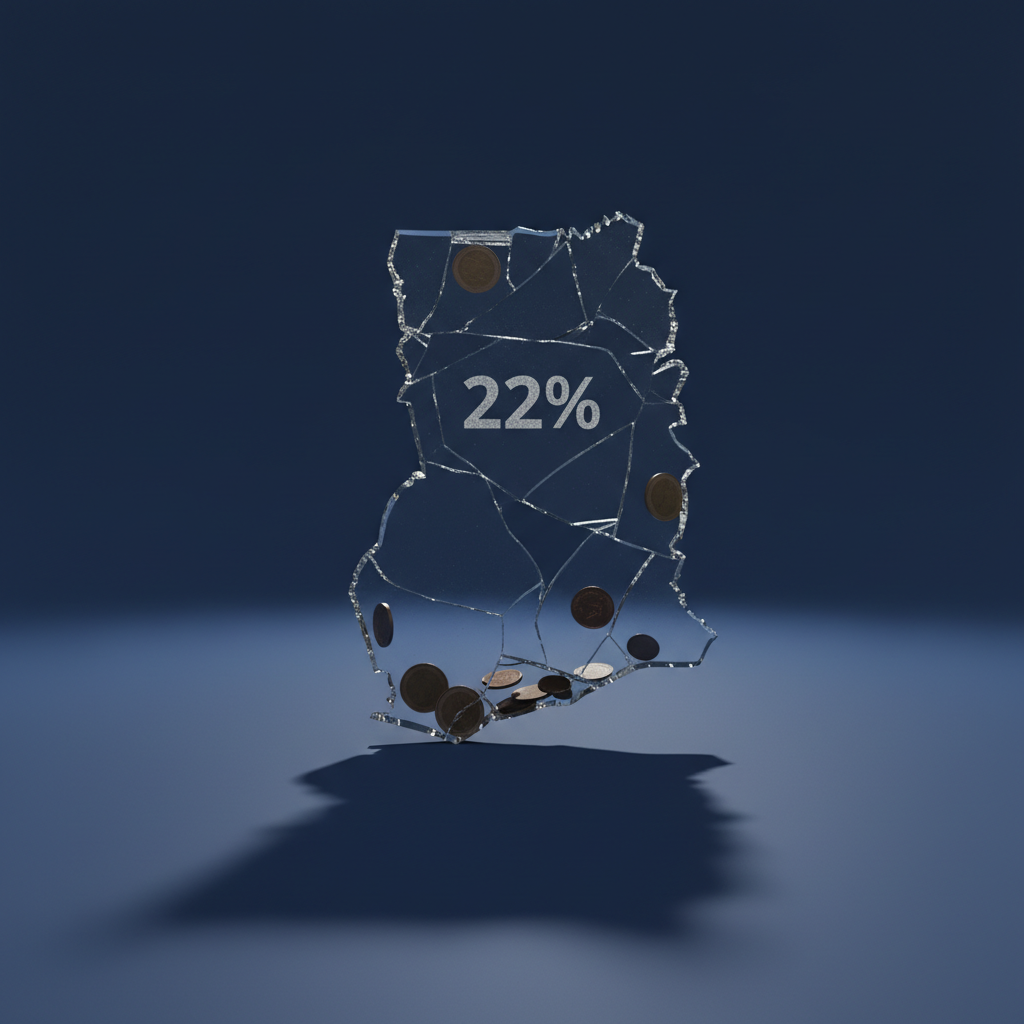
Ghana’s budget transparency score has plummeted to 22% in the 2025 Open Budget Survey. This marks a sharp decline from 46% recorded in 2023.
The International Budget Partnership (IBP) published these findings. Ghana now sits well below the Sub-Saharan African average of 38%. This lower score makes it harder for citizens and civil society groups to check how the government spends money and holds public bodies accountable.
This significant fall in score indicates a worrying trend in public finance management. The decline could erode public trust and hinder effective governance. It impacts Ghana’s broader economic narrative by reducing the ability of stakeholders to understand and influence fiscal policy. Data from previous surveys showed a more robust engagement from Ghanaian authorities, making this drop particularly concerning for economic stability.
The 2025 Open Budget Survey is the world's only independent assessment of budget openness. It covers 82 countries. The report attributes Ghana’s decline to delays in publishing critical budget documents. These include the Executive's Budget Proposal and the Citizens' Budget. It also noted the inconsistent release of In-Year Reports.
The report highlighted specific failures in making government spending plans readily available to the public. “For Ghana, the report highlights a delay in publishing the Executive's Budget Proposal and Citizens' Budget online,” the survey stated. It further cited “the inconsistent release of the In-Year Reports.”
Despite the overall decline in transparency, Ghana did see some improvements in other areas. The country's public participation score increased from 17% in 2023 to 22% in 2025. Oversight by key state institutions also improved, moving from 28% to 33% in the same period.
These modest gains suggest that while official transparency of documents is lacking, some channels for public and institutional involvement are developing. However, the report also found that chances for citizens to genuinely participate in the budget process remain limited. Citizen groups often face exclusion from important budget hearings.
Looking ahead, the report recommends several steps to reverse this trend. The government must publish all key budget documents promptly online. This would increase accountability immediately. Parliament should expand budget hearings to include civil society and the wider public. These actions would create mechanisms for citizens to monitor budget implementation.
The survey also advises establishing an independent fiscal institution. This body would provide unbiased financial analysis. Strengthening parliamentary oversight of budget preparation and execution is also crucial. These measures are essential for rebuilding transparency and public trust in Ghana’s financial system and improving the economic environment for all citizens.