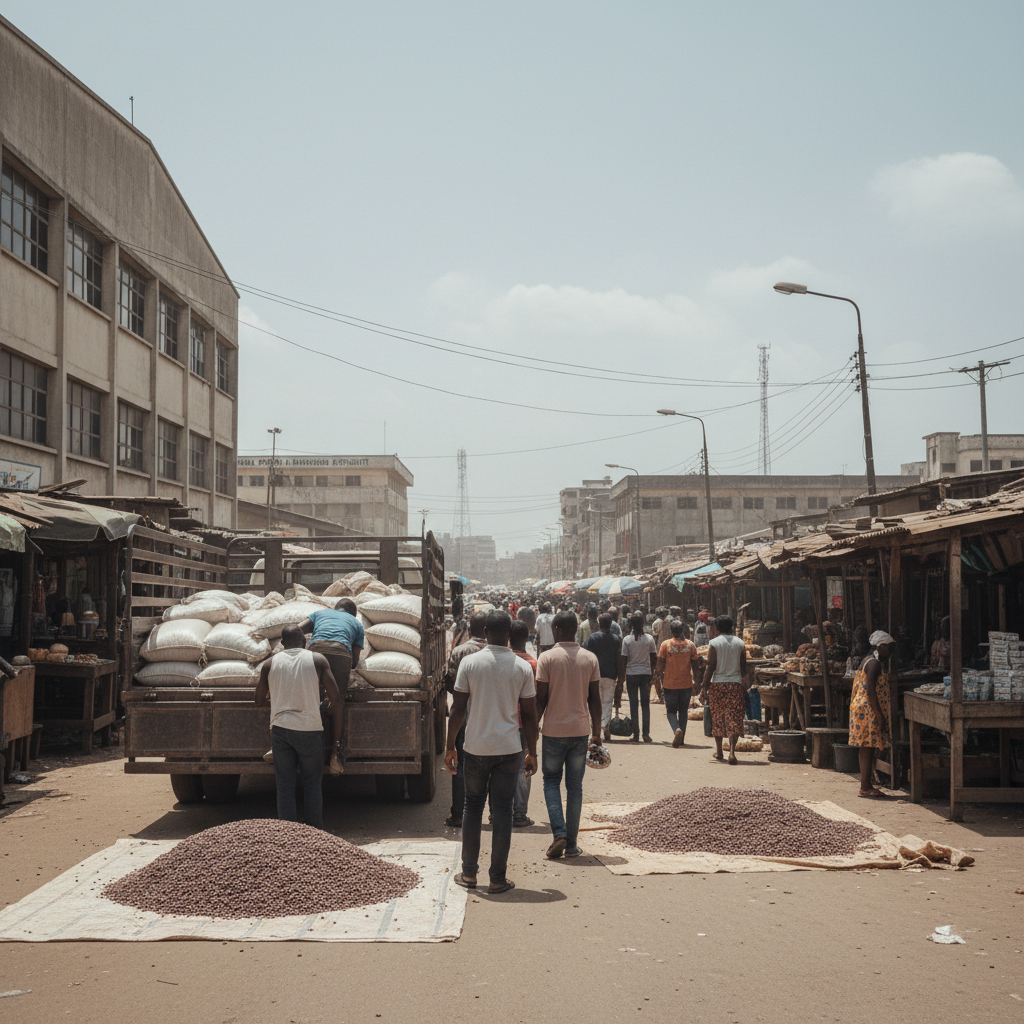
Ghana is grappling with a significant drug abuse crisis, as prescription painkillers like tramadol and codeine-based cough syrups, locally known as "red" or "lean," are widely misused. This escalating problem is no longer confined to specific areas but has infiltrated classrooms, universities, markets, and workplaces across the country. The crisis primarily affects males aged 15-35, but health workers report a concerning rise in addiction among young women and senior high school students.
The widespread availability of these substances is a major contributing factor. A 200mg or 250mg tramadol tablet, which requires a doctor's prescription, is readily available on the street for just a few cedis. Pharmacists note that individuals often purchase up to 10 strips at once, consuming them like vitamins. Users abuse tramadol to work longer hours, cope with stress, and enhance sexual performance, according to health professionals.
This crisis has profound implications for Ghana's economic and social fabric. Employers in sectors like construction, transport, and manufacturing report an increase in workplace accidents and absenteeism directly linked to substance use. One human resources manager recounted an incident where a worker operated machinery while under the influence, highlighting the severe safety risks. The abuse also contributes to a rise in school dropouts, petty crime, and other illegal activities as individuals seek to fund their habits.
The Food and Drugs Authority and the Narcotics Control Commission have intensified efforts to combat the crisis. In 2025-2026, they conducted raids on unlicensed chemical shops and markets, seizing and destroying several tons of tramadol and codeine. The government has also tightened import controls on controlled substances and launched school sensitization programs. The Ministry of Health is working to expand treatment and rehabilitation services, integrating drug counseling into primary healthcare.
Doctors warn of severe health consequences from prolonged abuse, including liver damage, kidney problems, seizures, and mental health disorders. Psychiatric hospitals face longer waitlists, and rehabilitation centers are overwhelmed. Social workers highlight the stigma associated with drug abuse, which often leads families to suffer in silence, delaying intervention until it is too late.
Health advocates argue that enforcement alone is insufficient. They call for more affordable and destigmatized rehabilitation centers, alongside job and skills programs for youth. Parental education to identify early warning signs is also crucial. While advocating for harsher penalties for dealers, they emphasize treatment and support for users. A youth counselor noted that young people often use drugs to cope, stressing the need for hope, employment, and mental health support to prevent further escalation.
Experts agree that drug abuse in Ghana has evolved into a critical public health issue, extending beyond mere law enforcement. The challenge for 2026 involves a delicate balance: effectively cutting off the supply of illicit drugs, providing dignified treatment for those affected, and implementing robust prevention strategies to protect future generations. Without a comprehensive approach, the cycle of addiction and its devastating consequences will continue to impact Ghanaian families and communities.