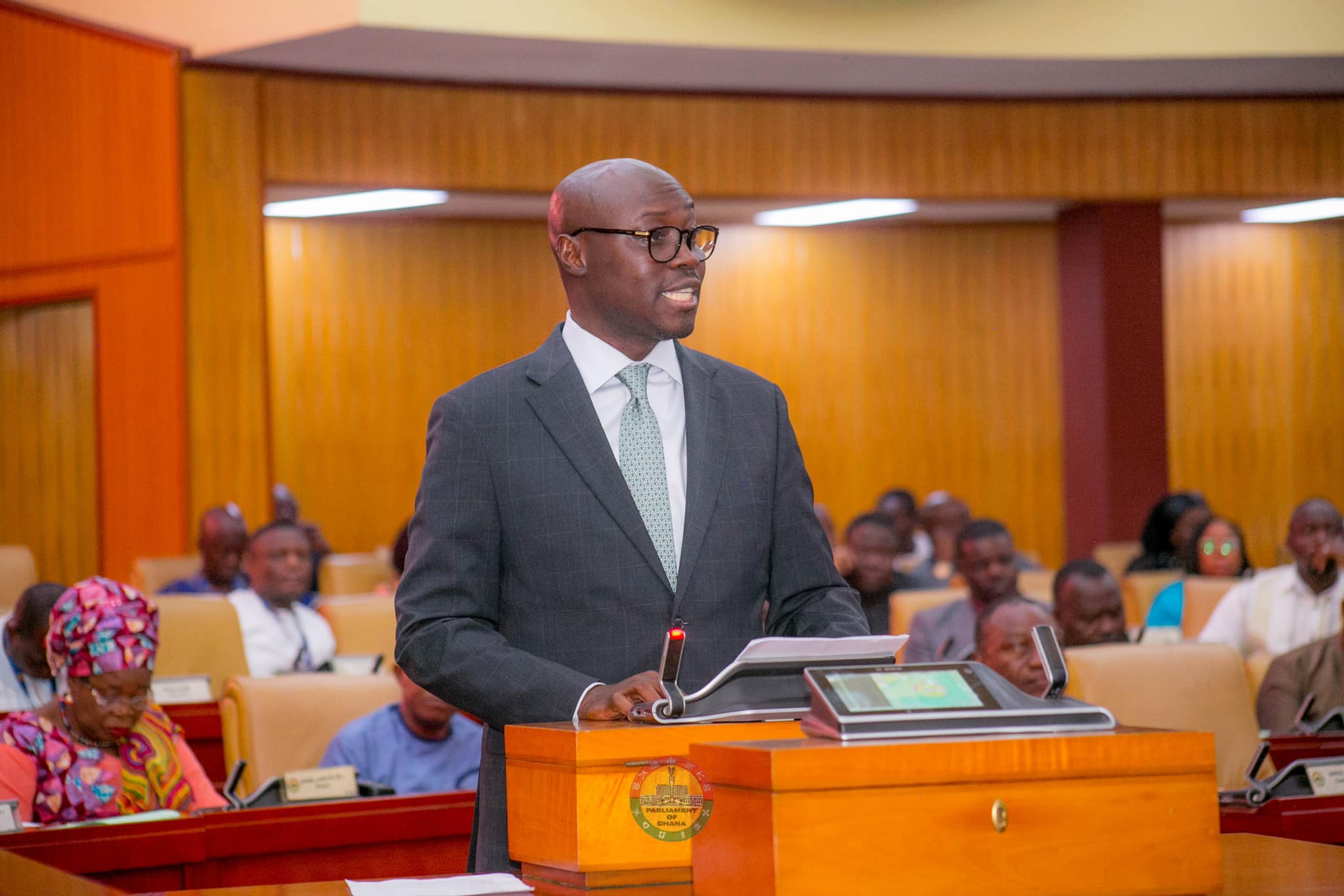
Ghana will not introduce a supplementary budget for 2026, choosing fiscal restraint over increased spending. Finance Minister Dr. Cassiel Ato Forson announced this decision to Parliament on Thursday, confirming the government will maintain its existing budget ceiling. The administration plans to reallocate resources within current appropriations to address pressing needs.
This move signals a strong commitment to fiscal discipline, which the government believes is essential for sustaining Ghana's economic recovery. The decision comes despite significant demands for higher public spending, emergency infrastructure support, and broader relief for households and businesses. Dr. Forson stated that the 2026 appropriations remain unchanged, with a focus on strategic realignment of expenditures.
This approach is politically significant, as mid-year budget reviews often lead to requests for additional funds. By declining to do so, the Finance Minister aims to project confidence in the economy's ability to absorb pressures without abandoning recent macroeconomic stabilization efforts. This decision reinforces Ghana's commitment to policy continuity for investors.
Dr. Forson retained key 2026 macroeconomic targets, including overall GDP growth of at least 4.80%. Non-oil GDP growth is projected at 4.90%, with end-year inflation targeted at 8.00% ±2.00 percentage points. The government also aims for a primary fiscal surplus of 1.50% of GDP and international reserves covering no fewer than three months of imports. These targets underscore the government's determination to protect stability.
The decision raises questions about the government's ability to address infrastructure gaps and climate-related disasters without expanding spending. Recent severe flooding across Ghana destroyed homes and infrastructure, highlighting the country's vulnerability. Similar flooding in Nigeria, Côte d’Ivoire, and Sierra Leone further emphasizes West Africa's exposure to climate shocks.
Dr. Forson announced additional funding for emergency drainage works and dredging projects. He also instructed the Ministry of Works, Housing and Water Resources to prepare a permanent flood mitigation programme. Financing for this long-term programme will be incorporated into the 2027 national budget and the medium-term expenditure framework. This strategy aims to address urgent risks without a full spending expansion in 2026.
The Finance Minister framed much of his presentation around the government's economic stewardship since January 2025. Dr. Forson attributed Ghana's recovery not just to the IMF-supported programme or debt restructuring, but also to what he called “superior economic management.” This claim will likely be debated by economic observers.
The government highlighted several reforms, including expenditure-led fiscal consolidation and amendments to the Public Financial Management Act. These amendments introduce binding fiscal rules. Other measures include the creation of a Fiscal Council and a Value for Money Office, tighter procurement controls, and expanded oversight of state-owned enterprises. Reductions in government size, through fewer ministries and ministers, were also noted.
These reforms target Ghana's persistent fiscal challenges, such as weak expenditure control and inefficient public investment. Rigorous implementation of these measures could reduce structural leakages that have undermined budget discipline. The true test will be whether these new institutions can effectively constrain political behavior and ensure accountability.