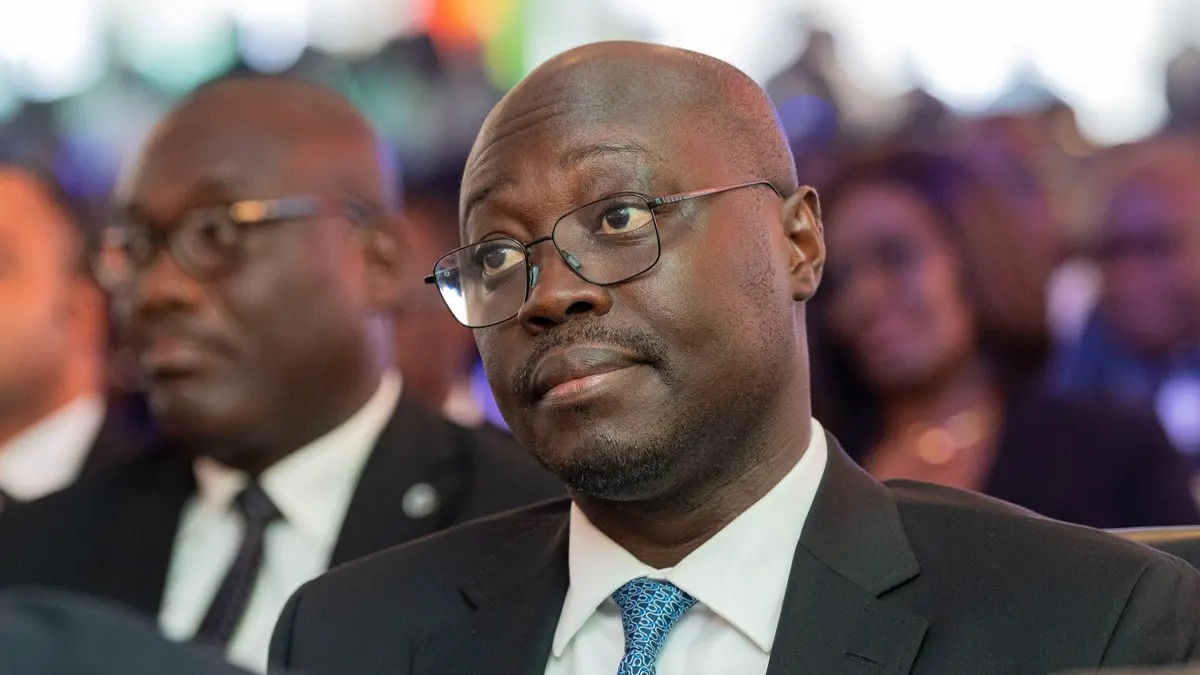
Ghana's Finance Minister, Dr. Cassiel Ato Forson, has declared a new, disciplined approach to national borrowing. The government will no longer borrow simply because financing is available. This strategic shift aims to protect Ghana's debt sustainability and prevent another debt crisis.
Minister Forson made these comments during the Fifth Session of the Ghana–China Joint Commission on Economic, Trade and Technical Cooperation. He emphasized that every project must be economically justified and transparently procured. Projects must also support growth, generate revenue, or reduce costs for the nation.
This new policy marks a significant departure from previous borrowing practices. Ghana faced a severe debt crisis in 2022, leading to a domestic debt exchange program and ongoing negotiations with external creditors. The country's public debt reached GHS 610 billion by the end of 2023, representing 87.8% of its Gross Domestic Product (GDP). This high debt level has constrained government spending and economic growth, making fiscal discipline crucial for recovery.
Dr. Forson stated, “Ghana will now proceed with discipline. We will not borrow simply because financing is available.” He stressed that infrastructure projects, including roads, railways, power plants, and industrial enclaves, must deliver measurable benefits. These benefits include improved productivity, job creation, increased exports, and strengthened ability to repay obligations. This ensures that borrowed funds contribute directly to the nation's economic health.
The implications of this policy are far-reaching for Ghana's economic future. It signals a commitment to fiscal prudence that could restore investor confidence and stabilize the cedi. International financial institutions and credit rating agencies will closely monitor the government's adherence to this new borrowing framework. A successful implementation could lead to improved credit ratings and more favorable borrowing terms in the future. This disciplined approach is essential for Ghana to achieve its medium-term economic growth targets and reduce its reliance on external financing.
Furthermore, the government plans to diversify its financing sources. This diversification aims to reduce dependence on any single lender or market. Protecting debt sustainability remains a core objective, avoiding a return to the conditions that caused the 2022 debt crisis. This proactive stance is critical for long-term economic stability and resilience. The focus on revenue-generating projects will also help improve the government's fiscal position. This will allow for more self-funded development initiatives. This strategy is vital for Ghana's journey towards economic independence and sustainable development.
The shift also means a more rigorous evaluation process for all proposed projects. Government agencies and state-owned enterprises will need to demonstrate clear economic returns before securing financing. This will foster greater accountability and efficiency in public spending. It also ensures that public funds are used for projects with the highest impact. This disciplined approach is expected to attract more responsible investment partners. It will also ensure that Ghana's development agenda is built on solid financial foundations. The government's commitment to these principles will be key to its success.