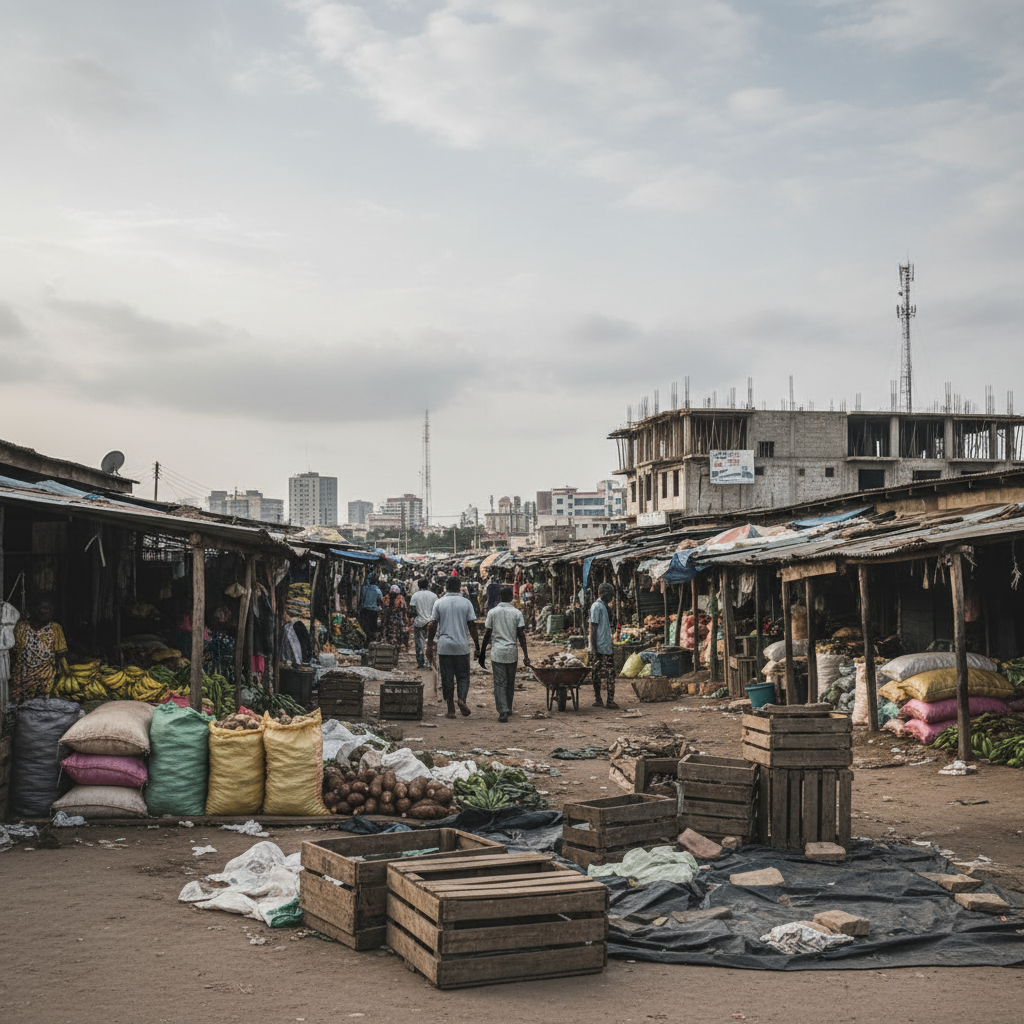
Ghana's 24-Hour Markets Project is embroiled in a significant accountability dispute. A Presidential Adviser on the 24-Hour Economy, Mr. Goosie Tanoh, publicly disavowed the project, stating his office holds no responsibility for its development. This declaration directly contradicts the government's public promotion of these markets as a core component of its 24-Hour Economy agenda since January.
The controversy deepens as Mr. Tanoh revealed his secretariat faces lawsuits stemming from market demolitions linked to the project. He insists the Ministry of Local Government is responsible, with funding sourced from the District Assemblies Common Fund. This clarification comes after the government launched these markets across 11 municipalities and districts in the Upper West Region alone, branding them as flagship deliveries.
This situation highlights a broader issue within Ghana's public finance and governance structures. The government campaigned on the 24-Hour Economy agenda in 2024, with these markets presented as a tangible outcome. However, the official 287-page 24H+ Programme document, the Presidency's blueprint, only specifically mentions 24/7 fish markets under the fisheries value chain. It lacks a broad, costed commitment for nationwide 24-hour market construction, creating a disconnect between policy documents and public pronouncements.
Mr. Goosie Tanoh's statement on August 19 explicitly distanced his office from the market development. He declared, "The 24-Hour Markets Project is not our responsibility. We are not into development of markets. We don't know anything about that." This assertion raises critical questions about which government entity truly oversees the project and its financial implications. The Presidential Adviser also stated his office is moving to remove its name from demolition-related lawsuits, further emphasizing the lack of clear ownership.
The implications of this dispute are far-reaching for public trust and economic transparency. Ghanaians were promised economic transformation through initiatives like the 24-Hour Economy. The current confusion over project ownership and funding accountability undermines this promise. Parliament's Public Accounts and Finance Committees must scrutinize how District Assemblies Common Fund resources are allocated and spent on these projects. Clear lines of responsibility are essential to prevent further legal challenges and ensure proper use of public funds. This situation demands immediate clarity from the government to maintain investor confidence and public faith in its development agenda.