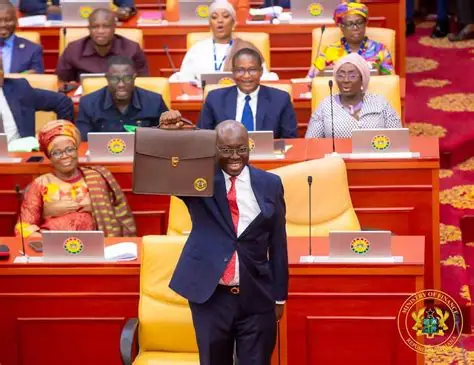
Ghana’s Finance Minister, Dr. Cassiel Ato Forson, announced the government plans to present the 2027 Budget Statement and Economic Policy to Parliament in the first week of November 2026. This early timeline aims to provide Parliament sufficient time for scrutiny and approval before the new financial year begins.
This proposed schedule marks a significant shift in the government’s economic strategy. After two years focused on economic stabilization, the administration now prioritizes stimulating stronger economic activity. The 2027 Budget will emphasize job creation, infrastructure development, and incentives for businesses to expand across the country.
This strategic pivot aligns with Ghana’s broader economic narrative, moving beyond recent fiscal consolidation efforts. The government seeks to translate its new economic priorities into tangible programs and investments. This approach is crucial for fostering sustainable growth and improving livelihoods after a period of economic challenges. Relevant data from the Ghana Statistical Service often highlights the need for robust job growth and diversified economic opportunities.
Dr. Ato Forson disclosed this timeline during an interview with Ahenfia FM in Kumasi. He stated the forthcoming budget would detail major infrastructure projects and policies designed to generate employment. The Minister also confirmed the government believes the economy has entered a new phase. This phase will focus on stimulating growth after initial efforts concentrated on stabilization.
The government’s new economic programme includes plans to mobilize and invest approximately US$10 billion. This substantial investment aims to significantly boost economic activity across various sectors. These funds will support the identified priorities of job creation and infrastructure development. Such large-scale investment is critical for Ghana to achieve its long-term development goals and attract foreign direct investment.
Preparatory work for the 2027 Budget is already underway. Dr. Ato Forson is actively engaging ministries, departments, and agencies to determine spending priorities. These consultations involve ministries defending their proposed expenditures and justifying funding requirements for 2027. This rigorous process ensures that public funds are allocated efficiently and effectively towards national development objectives.
The November timeline is consistent with Ghana’s Public Financial Management Act. This law requires the Finance Minister to present the budget for the ensuing financial year by November 15. Adhering to this deadline allows Parliament ample time to review and approve the government’s financial plans. This legislative compliance promotes transparency and accountability in public finance management.
Presenting the budget early ensures that all government operations can commence smoothly on January 1. This avoids delays that could impact public service delivery and economic planning. The 2027 Budget will serve as the primary vehicle for implementing the government’s next set of economic priorities. It will outline specific programs, investments, and policy measures designed to achieve these goals. This proactive approach is vital for maintaining investor confidence and ensuring fiscal discipline.
The shift from stabilization to growth is a critical juncture for Ghana’s economy. It signals a renewed focus on long-term prosperity and development. The government’s commitment to job creation and infrastructure will be closely watched by citizens and investors alike. The successful implementation of these policies will be key to Ghana’s economic future. This budget will set the tone for the nation's economic trajectory in the coming years.