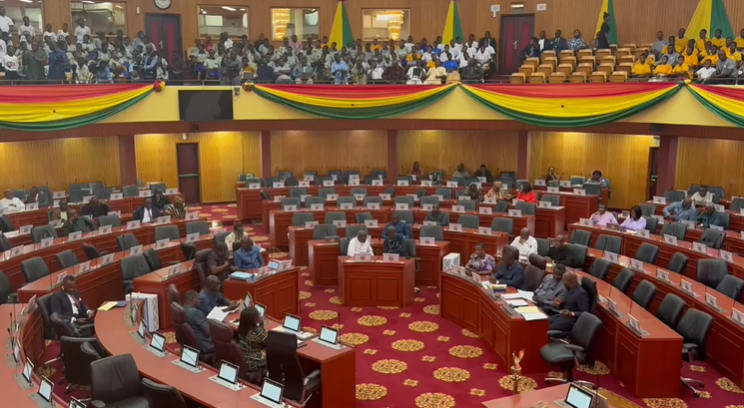
Ghana's Parliament has passed the Energy Sector Levies (Amendment) Bill, 2026. This legislation significantly increases the Energy Sector Shortfall and Debt Repayment Levy on fuel oil from GHS 0.24 per litre to GHS 1.93 per litre. The amendment aims to strengthen revenue mobilisation and address abuses within the country's fuel subsidy regime.
The new levy aligns fuel oil taxation with the existing levy on diesel and marine gas oil. It also extends the Road Fund Levy to fuel oil. These changes are designed to close major revenue leakages and prevent the misuse of fuel subsidy programmes. These programmes were originally intended to support industrial users.
This legislative action is part of a broader government strategy to improve fiscal health and ensure fair resource allocation. Ghana has faced persistent challenges in revenue collection and managing public debt. The previous fuel subsidy system had been vulnerable to exploitation. This new law seeks to create a more equitable and efficient system for energy sector financing.
Finance Minister Dr. Cassiel Ato Forson explained the rationale behind the amendment. He stated that companies importing fuel oil will now pay applicable levies upfront at the point of importation. Businesses that qualify under the subsidy scheme will receive refunds after meeting necessary requirements. This upfront payment mechanism is expected to reduce opportunities for fraud and enhance transparency.
The immediate implication of this amendment is an increase in the cost of fuel oil for consumers and businesses. While industrial users may still qualify for refunds, the initial outlay will be higher. This could impact operational costs for industries reliant on fuel oil. Decision-makers and markets will closely watch the implementation of these new levies. They will also monitor their effect on inflation and industrial output. The government anticipates improved revenue collection, which could support public spending and debt reduction efforts. However, there is a risk of increased production costs for some sectors.
The government's focus on curbing subsidy abuse highlights a commitment to fiscal discipline. This move could also signal further reforms in other subsidized sectors. The long-term success of this amendment depends on effective enforcement and the efficiency of the refund process for qualifying businesses. This legislative change is a critical step in Ghana's ongoing efforts to stabilize its economy and ensure sustainable growth. It reflects a proactive approach to managing public finances and addressing systemic inefficiencies.