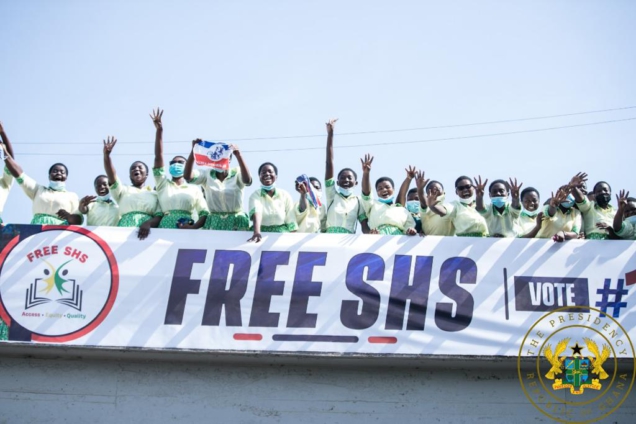
Ghana's Free Senior High School (FSHS) policy, implemented by the Akufo-Addo government, has significantly increased access to education. However, this expansion has coincided with a concerning decline in educational quality across public schools. The policy, initially lauded for its potential to transform society, now faces scrutiny over its long-term sustainability and impact on learning outcomes.
The primary concern stems from a perceived qualitative distortion introduced by the FSHS policy. Despite substantial budgetary allocations, evidence of commensurate improvements in educational quality remains thin. Per-student spending has reportedly fallen, leading to class sizes in many public schools exceeding 60 students. This overcrowding, coupled with stagnant West African Senior School Certificate Examination (WASSCE) pass rates, suggests that increased access has not translated into improved quality.
This situation fits into a broader narrative of public finance challenges and policy implementation in Ghana. While the government aimed to democratize education, the execution has raised questions about resource allocation and the capacity of the public school system. Historically, Ghana's public education system has been a crucial driver of social cohesion, fostering lifelong friendships and promoting social mobility across different economic strata. The current trajectory risks undermining this foundational role.
President Akufo-Addo, when asked to consider exempting affluent families from FSHS, suggested they move their children to private schools. This response has been criticized for potentially creating a two-tiered education system. Critics argue that such a move could leave public schools underfunded and exclusively for the poor, thereby accelerating the creation of a class society. This perspective highlights a fundamental misunderstanding of public education's role in fostering social equity.
The implications of this trend are significant for Ghana's future economic and social development. A decline in educational quality could hinder the development of a skilled workforce, impacting productivity and economic growth. Decision-makers must address the funding gaps and resource constraints in public schools to ensure that expanded access does not come at the expense of quality. The debate will likely continue to focus on how to balance universal access with the need for high-quality educational outcomes.
Moving forward, stakeholders will watch for potential reforms to the FSHS policy. These reforms might include a re-evaluation of funding mechanisms or targeted support for disadvantaged students. The long-term success of Ghana's education system hinges on ensuring that all students, regardless of their background, receive a quality education. Without significant adjustments, the current path risks exacerbating social inequalities and undermining the very purpose of free education.
The policy's impact on alumni associations is also notable, as they increasingly bear the burden of routine operating expenditures for public schools. This shift indicates a significant strain on government funding for education. The reliance on external support from alumni groups, while helpful in the short term, is not a sustainable solution for systemic underfunding. This trend further underscores the need for a comprehensive review of the FSHS funding model.
The muted debate surrounding the deterioration of quality, often attributed to fear of political victimization, further complicates the issue. An open and honest discussion about the challenges is crucial for developing effective solutions. Without transparent dialogue, it becomes difficult to implement necessary reforms that could improve the educational landscape for all Ghanaian children. The future of Ghana's human capital development depends on these critical policy adjustments.