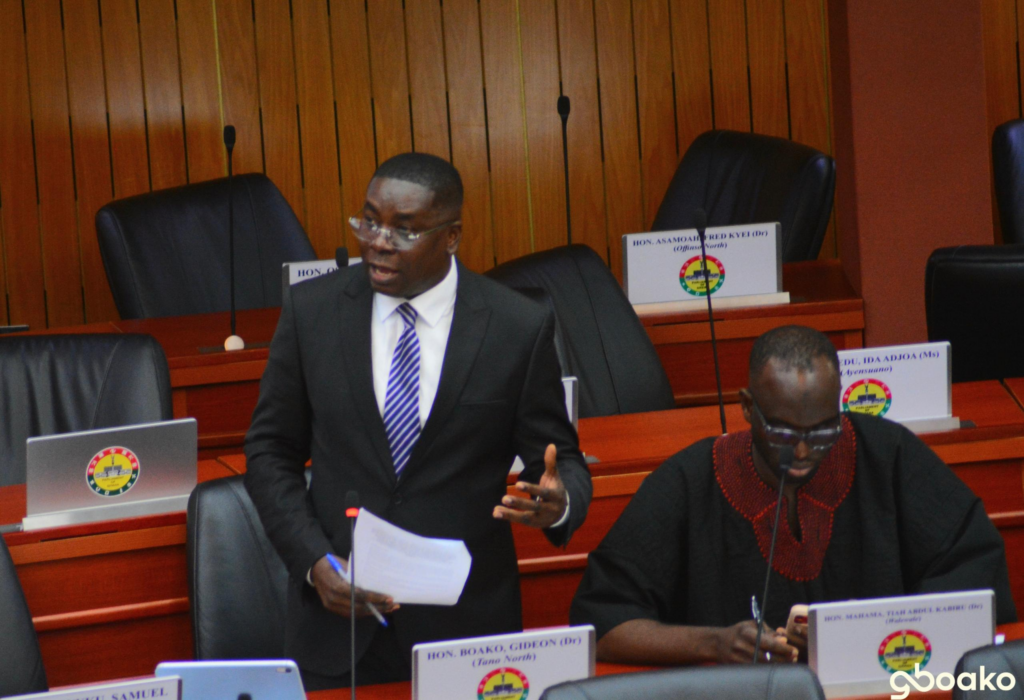
Dr. Gideon Boako, the Deputy Ranking Member on Parliament’s Finance Committee and Tano North MP, has strongly asserted that Ghana’s Free Senior High School (Free SHS) program must be financed through domestic revenue, not borrowed funds. He made this declaration during parliamentary proceedings on Tuesday, July 22, 2026. This stance underscores a critical debate about the sustainability of major government social interventions.
Dr. Boako challenged the Finance Minister to explain why the government resorts to borrowing for education funding when local revenue generation should be prioritized. He stressed that the government must demonstrate a clear commitment to education by allocating adequate locally generated funds. This approach would ensure the long-term viability of the Free SHS program, which is a cornerstone of Ghana's educational policy.
This call for a shift in funding strategy comes amidst broader concerns about Ghana's public debt and fiscal management. The nation has frequently relied on external borrowing to finance various projects, leading to increased debt burdens. Shifting to domestic revenue for Free SHS would align with efforts to reduce fiscal deficits and enhance economic sovereignty. Ghana's public debt has been a persistent challenge, impacting the nation's credit ratings and its ability to secure favorable loan terms.
“We want to ask the Finance Minister what government is doing and why we are not able to raise revenue to support education but we have to go and borrow to finance Free SHS,” Dr. Boako stated in Parliament. He further contrasted the current situation with the previous administration's approach, noting, “The Free SHS that was introduced by the erstwhile administration didn’t resort to borrowing to finance it.” This comparison highlights a perceived deviation from past fiscal prudence in funding the program.
The implications of this proposed funding shift are significant for Ghana’s economic outlook. A move towards domestic financing would necessitate improved revenue mobilization strategies, potentially through enhanced tax collection or new revenue streams. This could lead to a more stable and predictable funding mechanism for education, reducing reliance on volatile international markets. Decision-makers will need to consider the impact on the national budget and the broader economy.
Improved domestic revenue mobilization is crucial for Ghana’s fiscal health. The government has often faced revenue shortfalls, leading to spending cuts and increased borrowing. Financing Free SHS from local sources would signal a stronger commitment to fiscal discipline and sustainable development. This change could also free up borrowed funds for other critical infrastructure projects or economic development initiatives.
The debate over Free SHS funding reflects a larger national conversation about economic independence and responsible governance. Ensuring that flagship programs are sustainably financed is vital for Ghana's long-term prosperity. The government’s response to Dr. Boako’s recommendations will be closely watched by citizens, financial institutions, and international partners. This decision will impact future generations of Ghanaian students and the nation's economic trajectory.
Ultimately, the call to fund Free SHS with local revenue rather than loans is a push for greater fiscal responsibility. It emphasizes the need for Ghana to stand on its own financial feet, particularly concerning essential social services. This move could strengthen public trust in government spending and foster a more resilient national economy.