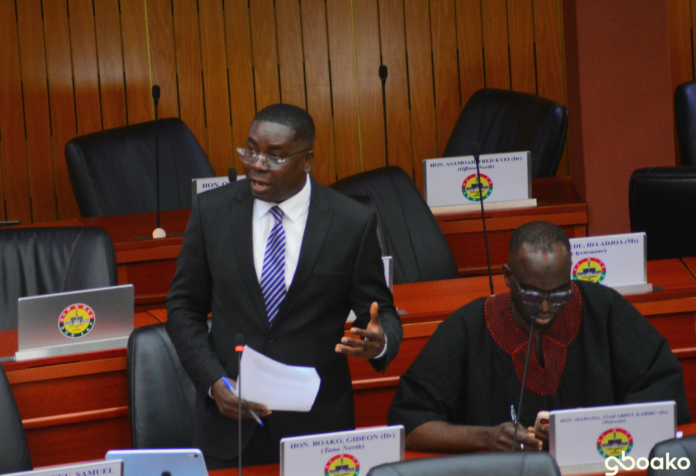
Dr. Gideon Boako, the Deputy Ranking Member on Parliament’s Finance Committee, has urged the government to finance the Free Senior High School (Free SHS) programme using domestic revenue rather than borrowed funds. This call highlights growing concerns about Ghana's public debt and the long-term sustainability of key social programmes. Dr. Boako’s statement, made in Parliament on Tuesday, underscores a critical debate on fiscal policy and national priorities.
The Tano North Member of Parliament argued that the government must demonstrate a stronger commitment to education by prioritizing locally generated revenue. He stressed that this approach is essential for the Free SHS policy’s sustainability. Dr. Boako questioned why the government struggles to raise sufficient domestic revenue for education, yet readily resorts to borrowing for the programme.
This stance fits into a broader national conversation about Ghana’s fiscal health and its reliance on external financing. Ghana's public debt has been a persistent concern, with significant portions of the national budget allocated to debt servicing. The International Monetary Fund (IMF) and other financial institutions have consistently advised Ghana to improve its domestic revenue mobilization to achieve fiscal stability. Funding a flagship programme like Free SHS through loans exacerbates this debt burden, potentially diverting resources from other vital sectors in the future.
Dr. Boako directly challenged the Finance Minister, asking, “We want to ask the Finance Minister what government is doing and why we are not able to raise revenue to support education, but we have to go and borrow to finance Free SHS.” He further contrasted the current administration's approach with that of the previous government, stating, “The Free SHS that was introduced by the erstwhile administration didn’t resort to borrowing to finance it.” This comparison suggests a perceived shift in funding strategy that Dr. Boako believes is detrimental to the nation's financial well-being.
The implications of this debate are significant for Ghana’s economic future. A shift towards domestic funding for Free SHS would necessitate robust tax reforms and improved collection mechanisms. This could involve broadening the tax base, enhancing tax compliance, and reducing leakages in the revenue system. Such measures are crucial for creating a reliable financing structure that does not increase the country’s debt burden, thereby protecting the programme from future financial shocks. Decision-makers and financial markets will closely watch how the government responds to these calls for fiscal prudence and sustainable funding.
Strengthening domestic revenue generation remains the most dependable way to protect Free SHS and ensure future generations continue to benefit from the policy. Without a sustainable funding model, the programme, which has been instrumental in increasing access to secondary education, faces long-term risks. The government's ability to implement effective revenue mobilization strategies will be key to addressing these concerns and securing the future of this vital educational initiative.