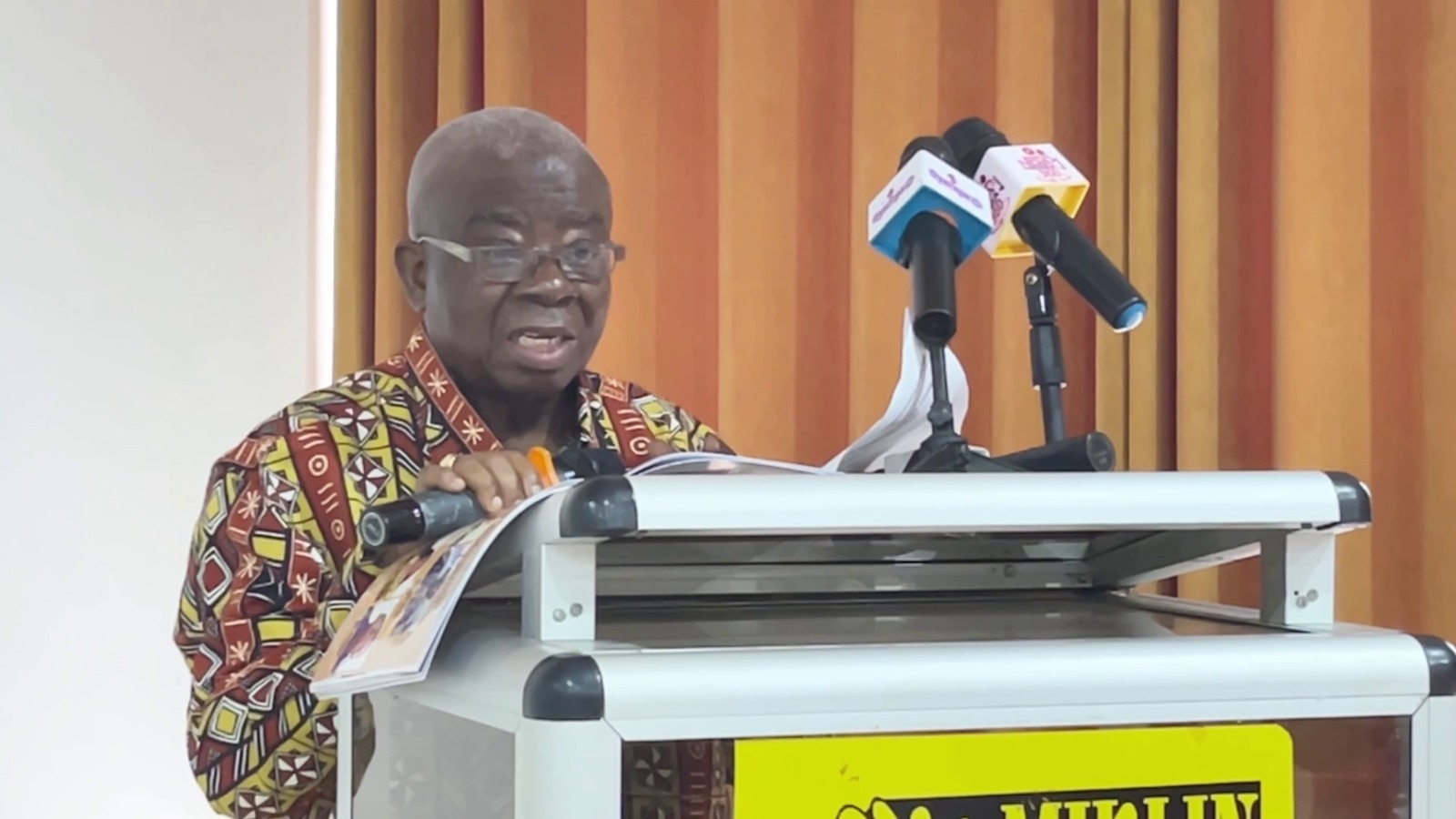
Former Minister of Local Government and Rural Development, Kwadwo Adjei Darko, has called for a significant change in Ghana’s local governance funding. He proposes that Members of Parliament (MPs) should no longer receive a portion of the District Assemblies Common Fund (DACF). Instead, this share should go directly to elected Assembly Members.
Mr. Adjei Darko argues that MPs do not possess voting rights within District Assemblies. Therefore, he believes they should not be allocated funds from the DACF. This reallocation, he stated, would strengthen development at the grassroots level and deepen the country's decentralisation efforts. The proposal aims to empower local representatives directly serving their communities.
This suggestion comes amidst ongoing discussions about Ghana's decentralisation process, which started in 1988 under the Provisional National Defence Council (PNDC). The PNDC established District Assemblies through PNDC Law 207. The 1992 Constitution further advanced this process by establishing the District Assemblies Common Fund under Article 252. Article 240 also mandates Parliament to transfer functions, powers, responsibilities, and resources from central government to local institutions. Despite these constitutional provisions, Mr. Adjei Darko believes Ghana has not yet achieved true devolution, where local authorities have meaningful autonomy and sufficient resources.
Mr. Adjei Darko made his remarks during a keynote address at the Conference of Ashanti Regional Presiding Members in Kumasi. He asserted that the current funding arrangement undermines the constitutional principle of decentralisation. It also weakens the role of Assembly Members, who are the direct representatives of their communities. He described the historical transfer of responsibilities without corresponding financial resources as 'deconcentration' rather than genuine decentralisation.
The implications of such a reallocation could be substantial for local governance. Shifting funds to Assembly Members could provide them with more resources to address community needs directly. This might lead to more effective local projects and increased accountability at the community level. Decision-makers and local government stakeholders will closely watch how this proposal is received and debated within political circles. It could spark a broader review of how the DACF is distributed and utilised across Ghana.
The President of the National Association of Local Authorities of Ghana (NALAG), Alfred Asiedu Adjei, also spoke at the conference. He urged Presiding Members to prioritise development over political considerations. Mr. Asiedu Adjei emphasised that effective local leadership is measured by positive community impact. He noted that Presiding Members are crucial to the effective functioning of Ghana’s local governance system. Their responsibilities extend beyond chairing meetings to promoting accountability and consensus-building for development.