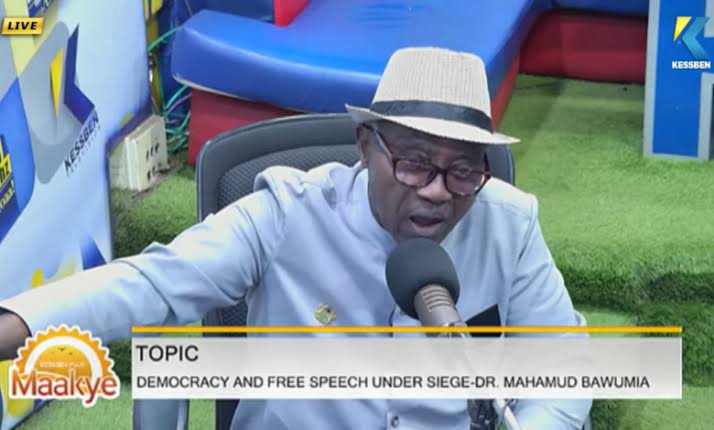
Dr. Kwasi Kyei, a former communicator for the New Patriotic Party (NPP), has criticized the government's approach to fiscal discipline. He argues this discipline should not prevent the government from addressing urgent national concerns. This critique arose during a recent debate on Kessben FM's Maakye programme.
Dr. Kyei specifically highlighted the plight of flood victims, questioning why a $200 million World Bank facility remained unused for citizen support. He contrasted this with the government's emphasis on economic gains, such as reduced inflation and lower policy rates. The debate also involved Dr. Frank Otuo Acheampong, a lecturer at Spiritan University and a member of the National Democratic Congress (NDC) communication team.
This discussion reflects a broader tension in Ghana's economic narrative. The government has prioritized fiscal consolidation to stabilize the economy after inheriting significant financial obligations. Ghana's public debt-to-GDP ratio reached 88.6% in 2022, necessitating stringent measures. The government aims to reduce this through various austerity policies and engagements with international financial institutions.
Dr. Kyei, who is also the National Coordinator for Persons with Disabilities, raised concerns about a drainage and sewerage project. This project started under former President John Mahama's administration in 2013. He questioned the management and impact of funds allocated for that initiative. These historical spending concerns add another layer to the current debate on public finance management.
Dr. Frank Otuo Acheampong defended the government's stance, emphasizing the inherited financial obligations. He stated the administration has been actively working to address outstanding debts. This defense underscores the complex fiscal environment the current government operates within, balancing immediate needs with long-term financial stability.
The debate further explored sanitation challenges and the effectiveness of international development partner funds. These funds were received during the tenure of former Sanitation Minister Cecilia Abena Dapaah. Both communicators agreed that addressing flooding requires a united national approach, transcending political differences. They called for stronger, non-partisan measures to tackle the recurring flooding issue.
The emphasis on national unity for flood relief highlights the widespread impact of climate-related events. Ghana faces increasing challenges from climate change, with severe flooding causing significant economic damage and displacement. The government's future responses to these crises will be closely watched by citizens and financial markets. It will need to demonstrate flexibility while maintaining its commitment to fiscal responsibility.
Decision-makers will face continued pressure to balance fiscal targets with humanitarian needs. The effectiveness of government expenditure, particularly for infrastructure and disaster relief, remains a critical area for public scrutiny. The public expects transparency and tangible results from both current and past interventions.