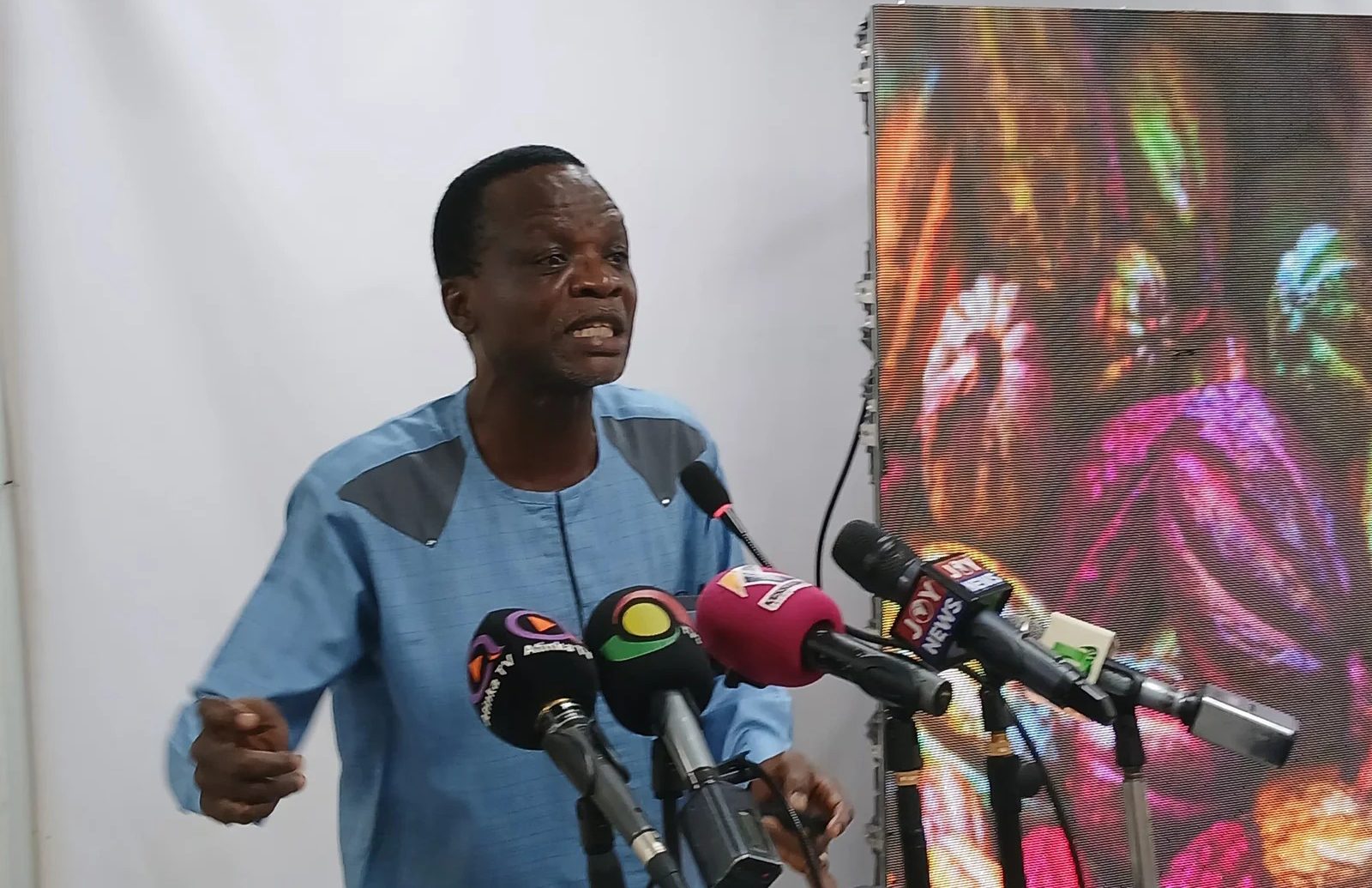
Development economist Dr. George Domfe of the University of Ghana states that prudent fiscal management alone does not automatically reduce Ghana's total national debt stock. His comments directly address remarks by Finance Minister Dr. Cassiel Ato Forson, who suggested government fiscal policies were reducing the debt burden. Dr. Domfe emphasizes that slowing debt growth is different from reducing the existing amount owed.
Dr. Domfe clarified that public debt involves two key concepts: debt stock and fiscal deficit. Debt stock is the total amount of money the government owes, including principal and interest, at any given time. A fiscal deficit occurs when government spending exceeds revenue within a financial year, forcing the state to borrow to cover the difference. Measures like reducing unnecessary expenditure, improving revenue collection, and narrowing budget deficits help limit the need for additional borrowing. However, these actions do not by themselves reduce the existing debt.
Ghana's public debt has been a persistent economic challenge, impacting the nation's financial stability and development prospects. The country's debt-to-GDP ratio has frequently exceeded sustainable levels, leading to concerns from international financial institutions. This ongoing debate highlights the complexities of managing public finances in a developing economy. Previous initiatives, such as the Heavily Indebted Poor Countries (HIPC) programme, aimed to provide debt relief to nations like Ghana. Understanding the mechanisms for debt reduction is critical for policymakers and the public.
Dr. Domfe used a simple analogy to explain the distinction. He compared confusing debt accumulation with debt stock to claiming weight loss simply by stopping additional food intake. He explained, "Refusing a second serving stops you from gaining additional weight, but it does not magically melt away the pounds already on the scale." This analogy underscores that stopping new borrowing does not eliminate existing obligations.
A country's debt stock only declines through specific measures. These include debt forgiveness, debt restructuring, or direct repayment of the principal using government surpluses. Refinancing existing loans does not reduce the total amount owed. Dr. Domfe cited the HIPC programme and various debt restructuring agreements as examples of effective mechanisms for reducing total debt. These interventions directly address the principal amount of the debt.
The implications of this distinction are significant for Ghana's economic policy and public communication. Misleading statements about debt reduction can create unrealistic public expectations regarding the nation's financial health. Accurate communication is essential for fostering trust and ensuring informed public discourse on critical economic issues. Decision-makers must focus on strategies that actively reduce the debt stock, not just control its growth. This includes exploring options for debt relief and ensuring any budget surpluses are directed towards principal repayment.
Ghana's government faces ongoing pressure to manage its finances responsibly and reduce its substantial debt burden. The International Monetary Fund (IMF) and other partners often emphasize the need for both fiscal discipline and structural reforms. The current discussion underscores the importance of a comprehensive approach to debt management. This approach must go beyond deficit control to include active strategies for debt stock reduction. The public and financial markets will closely watch how the government addresses these challenges in the coming months.