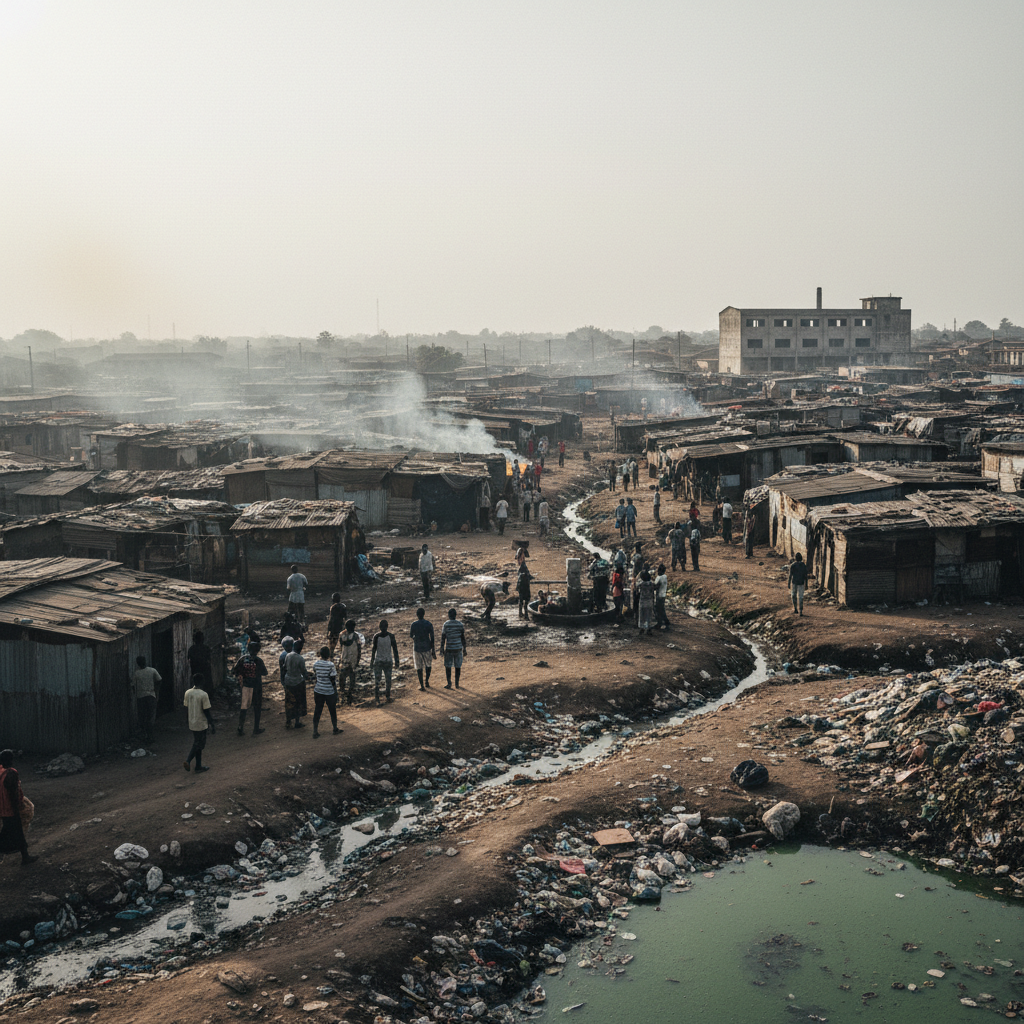
Residents of Eyipe, a community within Winneba in the Central Region, are confronting a severe sanitation crisis. This crisis is primarily driven by improper waste disposal, widespread open defecation, and inadequate management of wastewater. The persistent issues have raised significant concerns regarding public health and the potential for extensive coastal pollution, particularly given Eyipe's direct proximity to the sea.
The problem is evident across the community, with rubbish accumulating in various areas, especially along the shoreline. Household wastewater is frequently discharged into open spaces, often mixing with existing waste. This creates highly unhygienic conditions. Residents fear these practices will lead to serious health consequences and irreversible damage to the marine environment.
This local issue reflects broader challenges in urban sanitation across Ghana, where rapid urbanisation often outpaces infrastructure development. Many communities struggle with insufficient waste management systems and limited access to affordable disposal services. The situation in Eyipe highlights the urgent need for comprehensive national strategies to address waste collection and treatment, particularly in coastal areas vulnerable to environmental degradation.
Honourable Kofi Kumi, the Assembly Member for the area, acknowledged the severity of Eyipe's sanitation problem. He stated that the community lacks sufficient dustbins to facilitate proper waste disposal for residents. Mr. Kumi also identified the absence of regular waste collection services from Zoomlion, a major waste management company, as a significant impediment to effective waste management.
The immediate implication of this crisis is a heightened risk of disease outbreaks, including cholera and diarrhoea, as confirmed by a local sanitation officer. Continued pollution of the coastline also threatens marine life and the livelihoods of those dependent on the sea. Decision-makers must implement sustainable waste management solutions, including providing adequate infrastructure and affordable collection services, to prevent a worsening public health and environmental catastrophe.
The cost of waste collection contributes significantly to improper disposal practices in Eyipe. Some households struggle to pay the regular waste levy, leading them to dispose of rubbish in open spaces, often under the cover of darkness. This economic barrier underscores the need for more accessible and affordable waste management options for all residents.
Wastewater from daily household activities, such as washing, is routinely discharged into open areas. In many instances, this wastewater combines with accumulated solid waste, creating breeding grounds for disease vectors. The unhygienic conditions are particularly pronounced near the shoreline, where residents report direct dumping of rubbish close to the sea.
Residents have expressed deep frustration, stating they have reported the sanitation problems multiple times with little to no lasting improvement. This lack of responsiveness has eroded trust and created a sense of helplessness among the community. The problem has evolved beyond mere waste accumulation to a crisis of confidence in local governance.
Despite the acknowledged challenges, Assembly Member Kofi Kumi noted that community clean-up exercises are organised regularly. Residents are encouraged to participate in these efforts. However, residents contend that these clean-ups offer only temporary relief, as the fundamental issues of regular waste collection and disposal remain unaddressed.
The health risks associated with poor sanitation are substantial. A sanitation officer provided records indicating cases of cholera and diarrhoea, directly linking these illnesses to the unhygienic conditions. Improper waste disposal and open defecation create environments conducive to the rapid spread of infectious diseases, making sanitation a critical public health concern.
Eyipe's coastal location adds another layer of complexity to the sanitation challenge. Waste dumped near the shoreline and carelessly discharged wastewater can easily enter the marine environment. This poses a serious threat of coastal pollution, impacting marine ecosystems and the quality of life for residents who rely on the sea for sustenance and recreation.
Addressing Eyipe's sanitation crisis requires a multi-faceted approach. This includes providing adequate waste bins, establishing reliable and regular waste collection services, and ensuring affordable disposal options for all households. Continuous public education campaigns are also essential to promote safer waste disposal practices and discourage open defecation.
The ultimate goal for Eyipe residents is not just periodic cleanliness but a sustainable system that maintains a clean community year-round. This crisis serves as a stark reminder of the intrinsic link between public health and environmental protection. For a coastal community like Eyipe, resolving poor sanitation is crucial for safeguarding residents, preserving the coastline, and ensuring a healthier future.