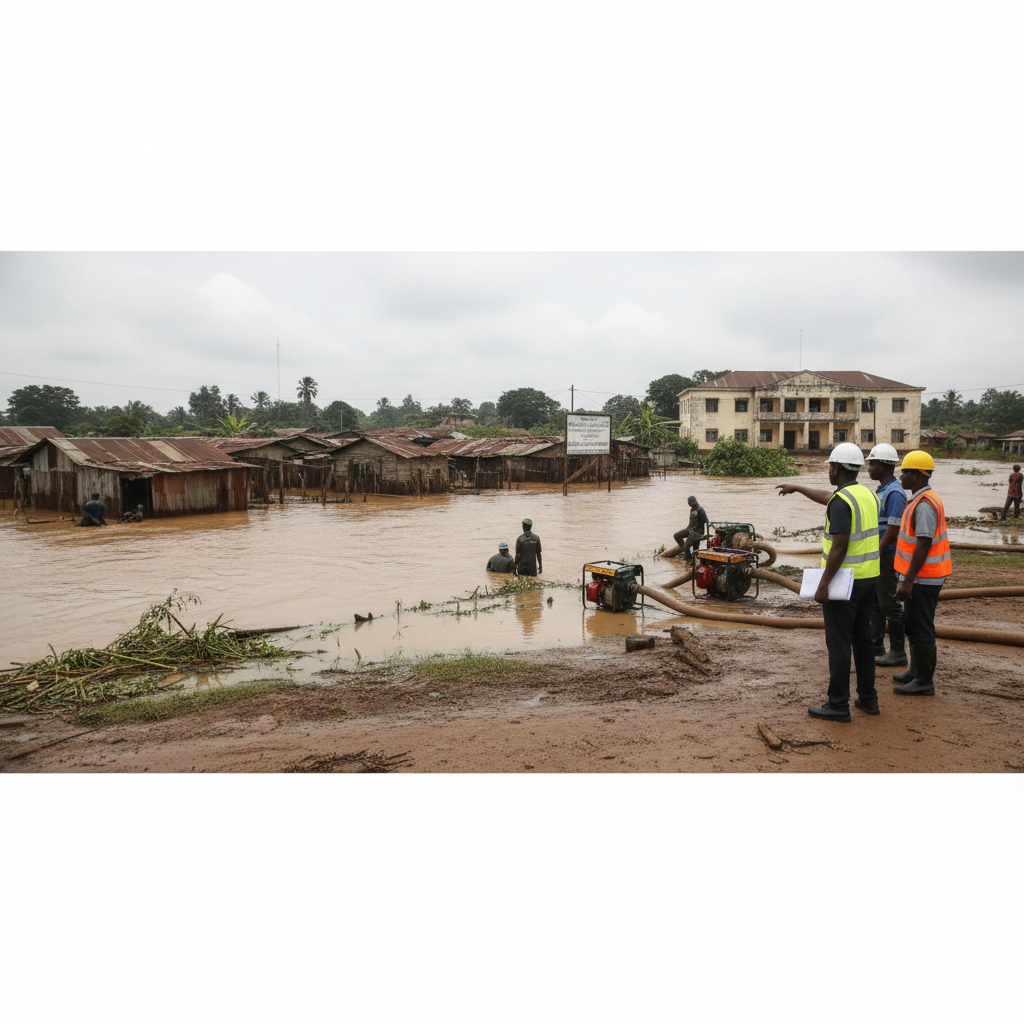
Professor Nana Ama Browne Klutse, Chief Executive Officer of the Environmental Protection Authority (EPA), has led a high-level delegation to Samreboi in the Western Region. The visit, on June 30, 2026, aimed to assess the extensive damage caused by recent flooding in the area. This flooding is widely attributed to illegal mining activities, commonly known as galamsey.
The delegation will inspect flood-affected communities and temporary shelters housing displaced persons. They will engage with local chiefs and residents to gather first-hand information. This information is crucial for the Authority's structured response and plans to mitigate future environmental disasters. The floods significantly impacted both the Western and Central regions.
This environmental crisis exacerbates Ghana’s ongoing battle against illegal mining, which pollutes water bodies and degrades land. The recurring floods, particularly in areas like Samreboi and Cape Coast, signal a worrying trend of environmental degradation. These events impact livelihoods and infrastructure, potentially affecting the nation's economic stability. The government aims to protect vital sectors like agriculture and tourism from these threats.
Professor Klutse reaffirmed the EPA's commitment to addressing the issue during a press conference in Takoradi. She stated, “EPA will assess the situation in Samreboi and, going forward, we are considering dredging and re-engineering many of these water bodies that have either been blocked or diverted for illegal mining activities, which are contributing to the flooding we are seeing in the Western Region.” This statement underscores the urgent need for direct intervention.
The EPA's intervention falls under its mandate within the Environmental Protection Act, 2025 (Act 1124). This act empowers the Authority to protect the environment and mitigate environmental degradation. The Authority will use its findings from Samreboi to develop both immediate and long-term solutions. These solutions aim to restore affected waterways and reduce future flood risks in mining communities. The economic cost of galamsey, including remediation and disaster relief, strains public finances.
The recent floods caused significant damage, including loss of life in Cape Coast, highlighting the human cost of environmental neglect. Three people died, and three women sustained injuries in Cape Coast due to the flooding. In the Western Region, two major rivers overflowed their banks, inundating homes and businesses in Samreboi. This area has been a hotspot for unchecked illegal mining for many years. The destruction of public infrastructure, roads, and farmlands further impacts regional economies. This disrupts trade and movement of goods, costing the nation GHS billions annually.
Policymakers, financial institutions, and local communities will closely observe the EPA's actions. Effective measures against galamsey could reduce future financial losses from flood damage. These measures would also protect natural resources vital for long-term economic growth. The success of these interventions will determine the resilience of vulnerable communities. It will also influence Ghana's environmental sustainability efforts.
Increased law enforcement and community engagement are crucial to curbing illegal mining. Collaborative efforts are necessary to protect affected regions from further economic and environmental damage. The long-term economic stability of these areas depends on successful environmental management. This includes restoring rivers and land damaged by galamsey operations. These efforts are part of a broader national strategy to promote sustainable development.