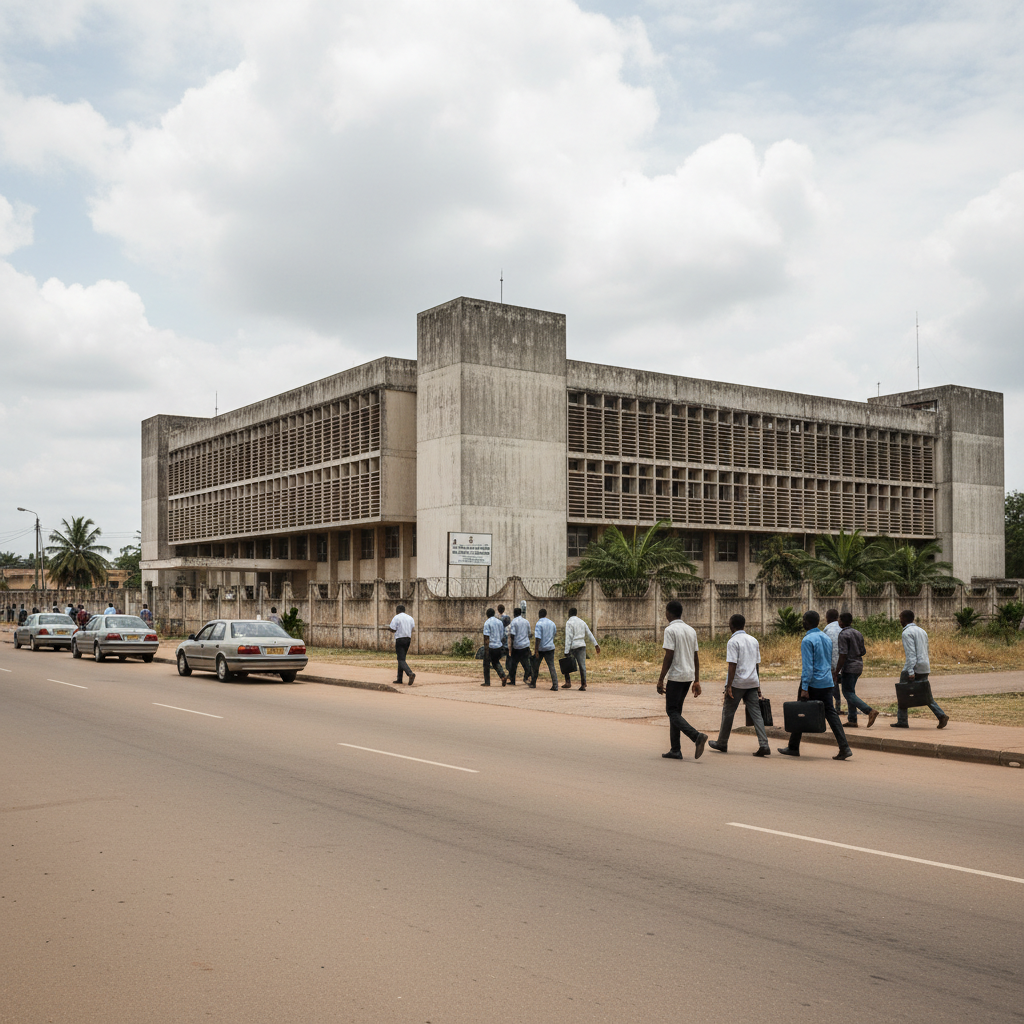
The Economic and Organised Crime Office (EOCO) has initiated an investigation into the alleged misappropriation of GHS 55 million from the Inter-Ministerial Coordinating Committee on Decentralisation (IMCCoD). This probe follows the arrest of former IMCCoD Executive Secretary Dennis Edward Aboagye and former accountant Gerald Appiah.
EOCO stated it will conduct a professional and impartial investigation. The arrests occurred after a forensic audit of the IMCCoD Secretariat, covering August 1, 2022, to February 2, 2025. The current Executive Secretary of IMCCoD also filed a petition requesting further investigation into the audit's findings. The suspects face charges including conspiracy to steal, stealing, using public office for profit, causing financial loss to the state, dissipation of public funds, defrauding by false pretences, and money laundering.
This case highlights the ongoing challenges Ghana faces in combating public sector corruption. Incidents of alleged financial malfeasance can erode public trust in government institutions. The efficient and transparent handling of such high-profile cases is crucial for demonstrating accountability. Previous government commitments to fiscal discipline and anti-corruption efforts are tested by these developments, particularly impacting investor confidence in public contracts and state-affiliated bodies.
EOCO confirmed that Gerald Appiah has begun voluntarily refunding some funds. However, the agency stressed that these repayments do not conclude the investigations or absolve any suspect of criminal liability. EOCO stated both Mr. Aboagye and Mr. Appiah would be granted bail. The agency affirmed its commitment to recovering public assets and providing further updates as the investigations progress.
The unfolding investigation will be closely watched by the public and civil society organizations. The outcome could set a precedent for how allegations of financial misconduct in public office are handled. Stakeholders will observe whether the legal process ensures due diligence, transparency, and a swift recovery of any misappropriated funds. The incident also puts pressure on other oversight bodies to strengthen their monitoring mechanisms. The finance market may react to the perceived risk of corruption, potentially influencing future investment decisions in public-private partnerships. A robust judicial process is essential to maintain economic stability and investor confidence in Ghana's governance framework.