A payroll audit has uncovered the payment of GHS 7,494,975.34 to four pensioners who had already died. This finding exposes serious weaknesses in Ghana’s pension administration and payment verification systems.
The Auditor-General's Report on the Public Accounts of Ghana for Ministries, Departments, and Other Agencies (MDAs) for the year ended December 31, 2025, contained this discovery. The deceased pensioners received these payments between February 2019 and March 2026. They were ineligible to receive pension benefits after their deaths.
This issue highlights a recurring challenge in Ghana’s public finance management related to payroll integrity. Previous reports have also pointed to irregularities with public sector payroll, impacting the national budget significantly. Ensuring accurate and legitimate payments directly affects the government's ability to fund essential services and maintain fiscal discipline.
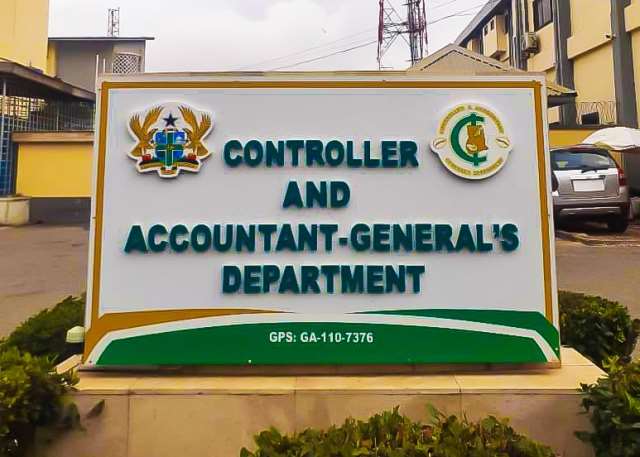
The Auditor-General stated that these payments violated Regulation 88 of the Public Financial Management Regulations, 2019 (L.I. 2378). This regulation provides clear guidelines for managing and controlling public funds. The Auditor-General has directed the Controller and Accountant-General’s Department (CAGD) to recover the full amount. The recovery includes interest calculated at the prevailing Bank of Ghana rate from the next-of-kin of the deceased pensioners.
All recovered funds must be paid into the Auditor-General’s Recoveries Account at the Bank of Ghana. The audit report further warns that legal action will be pursued if the money cannot be retrieved. This action would target the banks involved in processing the payments and the beneficiaries' next-of-kin. The government aims to protect public resources from such leakages and reinforces accountability.
This revelation is part of a broader audit exercise that identified several payroll irregularities across various government institutions. These findings raise critical questions about the effectiveness of current systems designed to verify beneficiaries and prevent unlawful payments. Ghana’s public financial management is under continuous scrutiny.
Strengthening accountability and improving financial controls are necessary to safeguard public resources. The ongoing efforts by the Auditor-General are vital for building confidence in the government's financial reporting. Investors and citizens alike watch these developments closely to gauge the effectiveness of public sector reforms. The government’s response to these directives will be a key indicator of its commitment to financial probity.