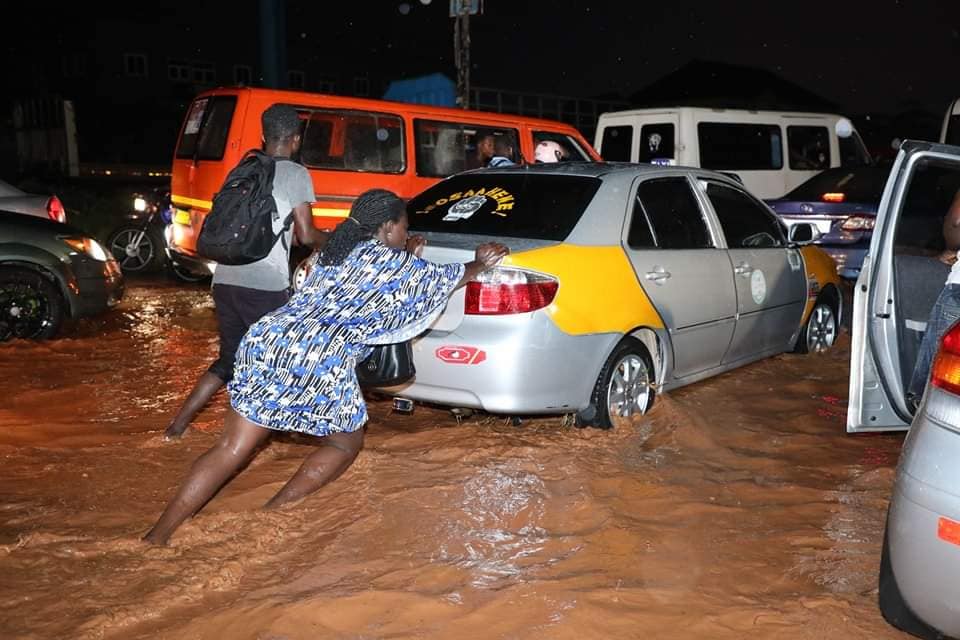
The District Assemblies Common Fund (DACF) Secretariat has launched a rigorous digital monitoring initiative. This system will track how Metropolitan, Municipal and District Assemblies (MMDAs) spend money for flood resilience and mitigation projects. This action follows widespread project abandonment and fund diversion.
Audit findings revealed that 1,587 out of 4,767 local projects were entirely non-existent. These projects had already received approved funds. Further investigations showed a major part of a US$65 million World Bank allocation for the Greater Accra Resilient and Integrated Development (GARID) Project was diverted to other sectors. This new monitoring aims to stop such misuse ahead of the rainy season.
This initiative fits into Ghana’s broader effort to improve public finance management and accountability. The government is increasing funding for local governance to support decentralised development. There is also a strong focus on addressing recurring flood issues that disrupt economic activities and displace communities. This new system seeks to ensure public funds achieve their intended purpose.
The DACF Secretariat Administrator, Michael Harry Yamson, introduced Intellex. This is a special digital expenditure management portal. Yamson stated, “Every single cedi released for flood mitigation must now correspond to a visible, digitally verifiable infrastructure project on the ground.” This statement highlights the Secretariat's commitment to ending unverified spending practices.
The Intellex portal will provide real-time budget tracking. It can map the physical locations of projects against local government financial records. MMDAs will no longer be able to divert money meant for drainage, desilting, and channel construction without immediate detection. This system will enhance oversight and protect vulnerable communities from the impacts of flooding.
The government plans a large increase in local government funding. The 2026 DACF distribution formula allocates GHS 8.77 billion. Between 80% and 90% of this amount will go directly to MMDAs. This significant financial injection demands strict oversight to prevent mismanagement.
Ghana is also implementing a GHS 350 million package for post-flood recovery and mitigation. This emergency package includes GHS 200 million for humanitarian relief efforts. Another GHS 150 million is for structural repairs. These repairs include major dredging and removing unauthorised structures blocking waterways. This substantial investment requires transparent spending.
With billions of cedis flowing into local government accounts, the Secretariat has issued a warning. MMDAs that fail to update their project statuses transparently on the Intellex portal risk having their funds withheld. This measure provides a strong incentive for compliance and proper fund utilisation. Local authorities must use their allocations for decisive and measurable interventions. This includes tackling unauthorised developments in waterways. The goal is to reduce flood risks permanently in vulnerable areas.