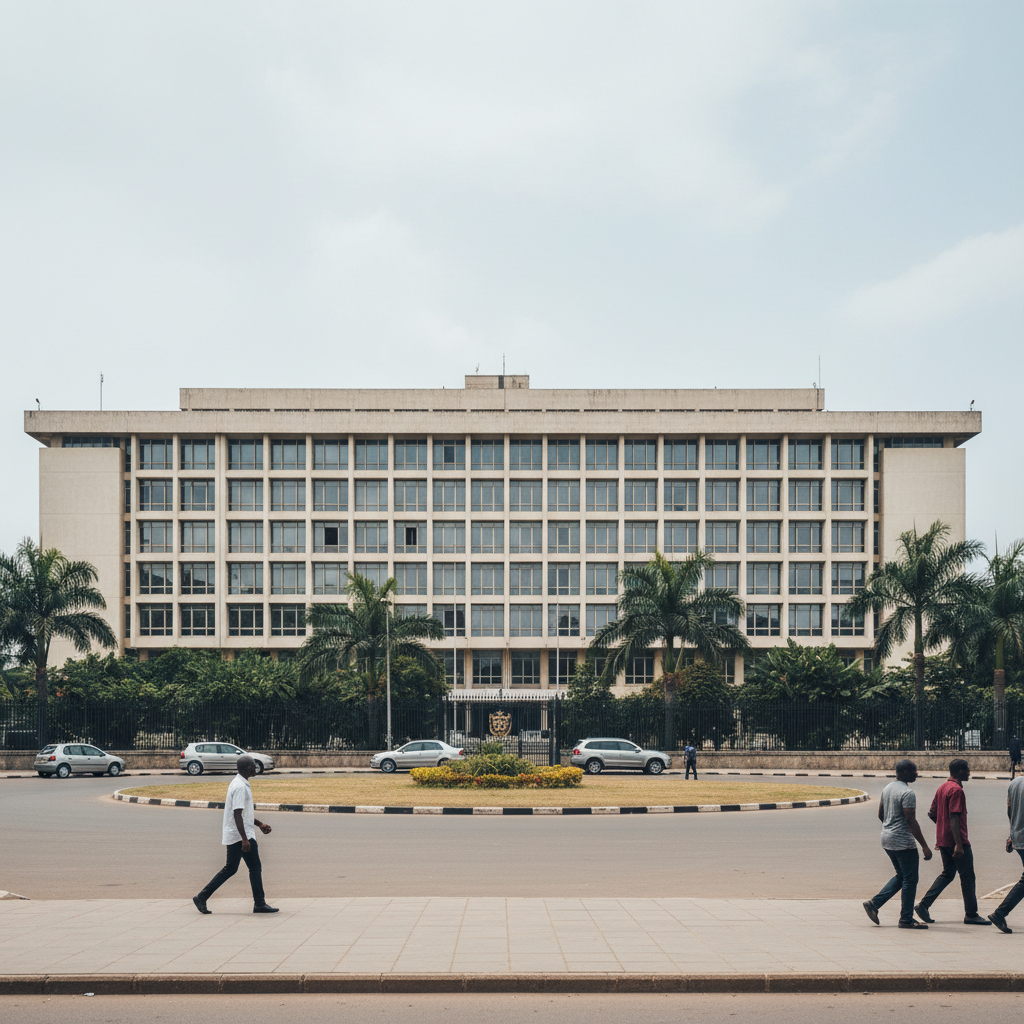
Ghana's Cabinet has directed Attorney-General Dr. Dominic Ayine to draft a new bill to protect state assets. This approval of the State Assets Protection Bill aims to prevent any government from arbitrarily disposing of public property. The legislation will establish clear guidelines for the sale or transfer of government land, buildings, factories, and industries.
President John Dramani Mahama announced this at the Ghana Civil Society Forum 2026. This initiative directly addresses concerns about undervalued sales of state-owned properties. The bill will prevent future administrations from selling off valuable national resources without proper oversight. It ensures that such transactions follow transparent and accountable processes.
This move is part of the government's broader anti-corruption agenda. It follows ongoing efforts to improve governance and public trust. The Cabinet also approved the National Ethics and Anti-Corruption Plan 2026–2030 (NEACAP). This five-year framework will guide Ghana's fight against corruption. NEACAP replaces an earlier strategy that ran from 2015 to 2024, aiming to address its shortcomings.
President Mahama stated the proposed bill shows the guidelines “under which any state asset can be disposed of.” He emphasised it would ensure “no government just capriciously disposes of state assets.” This commitment reflects a growing focus on protecting national wealth. It also aims to curb practices that have historically led to significant financial losses for the state.
The protection of state assets has been a recurring concern in Ghana. President Mahama previously disclosed plans for legislation requiring parliamentary approval before public property sales. In February 2026, he noted that such a law would ensure parliamentary scrutiny for all major asset disposals. This includes state-owned land, factories, and other valuable assets.
Earlier, investigations revealed concerning trends in state land transactions. Prime government lands were reportedly acquired for as little as GHS 150,000. These same lands were later resold for amounts up to 2 million US dollars. Such discrepancies highlight the urgent need for stricter regulations and oversight. The new bill seeks to close these loopholes and safeguard public interests.
The Attorney-General will now draft the specific provisions of the bill. It will then pass through Parliament for debate and approval. The implementation of this law will likely enhance public confidence in government transactions. It will also reduce opportunities for corruption related to state asset disposal. Investors and citizens will watch how effectively this legislation is enforced. This will directly impact Ghana's economic stability and good governance efforts.