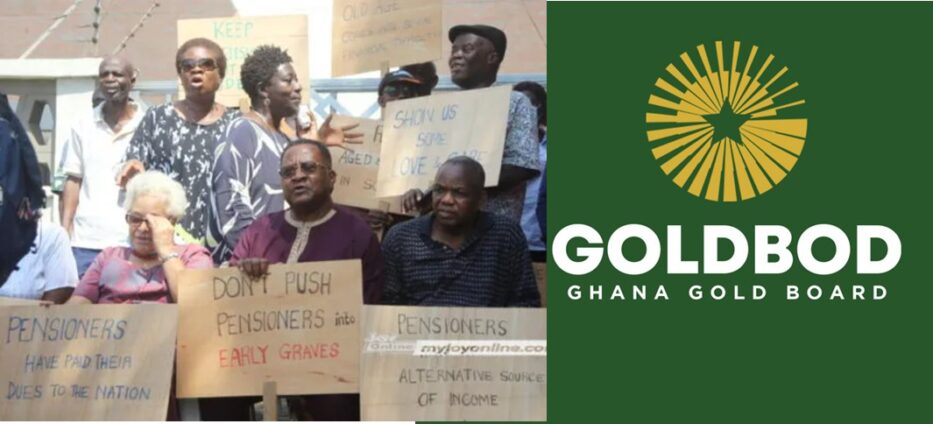
Economist Professor Godfred Bokpin attributes Ghana's improved debt sustainability to the sacrifices of Eurobond holders, domestic bondholders, and pensioners. Their losses during the nation's debt restructuring, not GoldBod's operations, provided the necessary financial breathing room. This critical intervention helped Ghana reduce its debt-to-GDP ratio and lower debt-servicing costs.
Professor Bokpin emphasized that the unpopular domestic debt exchange played a key role in this recovery. Creditors agreed to restructuring terms when Ghana faced severe financial difficulties. These sacrifices created the fiscal space currently enjoyed by the country. Pensioners also bore the impact of the domestic debt exchange, enduring significant losses, which Professor Bokpin believes deserves recognition for their contribution.
This development fits into Ghana's broader economic narrative of navigating severe financial challenges. The country recently sought an International Monetary Fund (IMF) support program to stabilize its economy. Ghana's debt-to-GDP ratio had soared, making debt servicing unsustainable. The debt restructuring, including the Domestic Debt Exchange Programme (DDEP), was a cornerstone of the government's efforts to restore macroeconomic stability and secure IMF funding.
Professor Godfred Bokpin stated, "Those who gave Ghana fresh air were actually not GoldBod." He further explained, "Those who gave Ghana breathing space to have what we have today were domestic bondholders who sacrificed, were Eurobond holders who sacrificed, who came to the table when Ghana needed help the most." This highlights the direct impact of creditor concessions.
Looking ahead, Ghana must implement robust fiscal discipline and structural reforms to sustain these gains. Decision-makers must ensure efficient spending and prudent borrowing practices. The nation needs to invest in cash flow-generating sectors to enhance economic resilience. Failure to do so risks repeating past cycles of debt accumulation and subsequent relief, as seen with the Highly Indebted Poor Countries (HIPC) initiative. The government's actions in managing this new fiscal space will be closely watched by investors and international partners.
Ghana initially faced a balance of payments financing gap of about 13.5 billion US dollars under the IMF-supported programme. This period saw GoldBod's domestic gold purchase operations still relatively limited. Professor Bokpin cautioned against wasting the fiscal space created by creditor sacrifices. He recalled Ghana's previous debt relief under the HIPC programme and the Multilateral Debt Relief Initiative. During those times, Ghana's debt-to-GDP ratio fell below 30%, but the gains were eventually lost. The country subsequently returned to the IMF for assistance.
Professor Bokpin advised, "It's good news we are celebrating this fiscal space. Let's put in place the right structures, spend efficiently, borrow prudently, and invest it in enhancing the cash flow-generating capacity of the economy." He stressed that Ghana has been in similar situations before. This emphasizes the need for long-term strategic planning. The government must avoid short-term political expediency that could undermine economic stability. Sustainable growth requires consistent policy implementation and accountability. The sacrifices made by bondholders and pensioners must translate into lasting economic benefits for all Ghanaians.