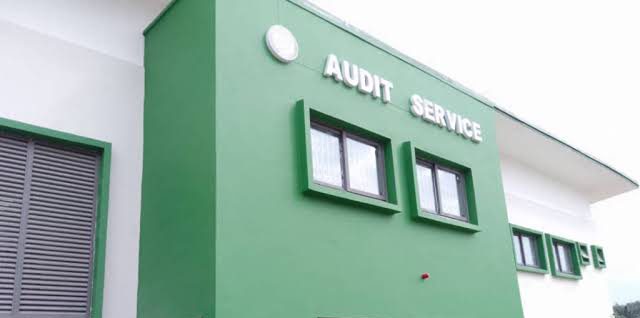
The Ghana Audit Service identified GHS 150.36 million in unearned salaries and other irregular payments for 2025. This significant amount was uncovered through a nationwide payroll audit and routine checks. The Ghana Anti-Corruption Coalition (GACC) revealed these findings in its State of Corruption Report 2025.
The Audit Service successfully recovered GHS 24.95 million from these irregularities. This recovery includes GHS 10 million directly from identified unearned salaries. An additional GHS 14.95 million was retrieved through regular audits across various public institutions. These efforts aim to safeguard public funds and improve financial accountability.
This persistent identification of unearned salaries highlights ongoing challenges in Ghana's public financial management system. Such irregularities drain public resources, impacting the government's ability to fund essential services. Previous reports have also pointed to similar issues, indicating a systemic problem requiring sustained attention. The government has often faced pressure to tighten financial controls and reduce waste.
The Ghana Anti-Corruption Coalition described the recoveries as a positive step. It shows progress in protecting public resources. However, the GACC warned that continued identification of irregular payments points to persistent weaknesses. These weaknesses exist within Ghana’s public financial management system. The Coalition stressed that recovering funds after misuse should not replace prevention efforts.
Decision-makers will likely face renewed calls for stricter oversight and proactive measures. The GACC has called for stronger enforcement and more effective preventive systems. This aims to minimise financial breaches and ensure proper management of public funds. Investors and citizens will watch for concrete actions to address these systemic issues. Improved financial discipline could boost confidence in public institutions.
The GACC report specifically noted that the payroll audit identified GHS 150.36 million in unearned salaries, allowances, and other irregular payments. These payments involved 2,408 former public sector employees. This large number indicates a widespread issue across various government departments. The Audit Service's role is crucial in detecting and addressing these financial discrepancies.
The total amount recovered, GHS 24.95 million, represents only a fraction of the identified irregularities. This gap underscores the difficulty in retrieving all misspent funds. It also highlights the importance of preventing such payments from occurring initially. The GACC's emphasis on prevention aligns with best practices in public finance. Effective internal controls are vital for financial integrity.
The report also highlighted the roles of other institutions in combating corruption. The Commission on Human Rights and Administrative Justice (CHRAJ) plays a part. The Office of the President also reviews policies and makes decisions on major corruption allegations. These bodies contribute to the broader anti-corruption framework in Ghana. Their coordinated efforts are essential for comprehensive reform.
Ghana's economic stability depends on efficient use of public funds. Unearned salaries and irregular payments divert resources from critical development projects. These include infrastructure, healthcare, and education. Addressing these issues can free up funds for productive investments. This would ultimately benefit the Ghanaian populace and strengthen the national economy.
The findings serve as a reminder for government agencies to regularly review their payroll systems. Implementing robust digital systems could help prevent future irregularities. Continuous monitoring and strict adherence to financial regulations are paramount. This ensures accountability and transparency in public spending. The public expects decisive action to protect taxpayer money.