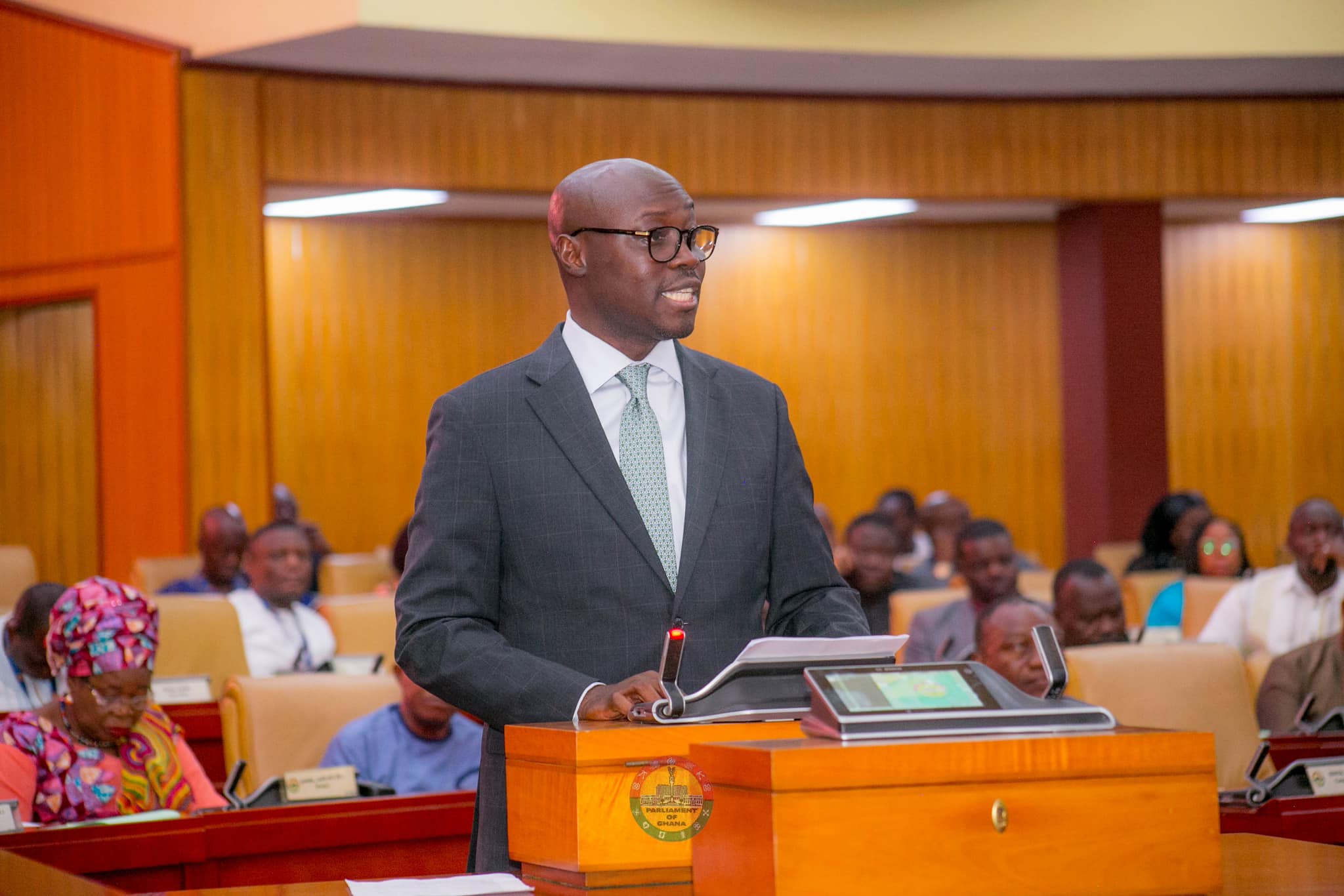
Ghana's Finance Minister, Dr. Cassiel Ato Forson, will present the 2026 Mid-Year Budget Review to Parliament next week, on July 23. This statement is a critical test of Ghana's economic progress, signaling a move from crisis stabilization towards sustainable growth.
The presentation aims to outline the government's new economic agenda. It will emphasize consolidating recent gains and shifting the economy from mere stability to long-term growth. Key areas include sustainable job creation, increased productivity, economic resilience, and inclusive growth.
Ghana's recent economic management has focused heavily on crisis response. This included debt restructuring, fiscal consolidation, inflation control, and currency stabilization. However, stabilization alone does not create enough jobs or improve living standards. The Mid-Year Budget Review must therefore show how stability will translate into real economic activity and tangible benefits for citizens.
A spokesperson for Joy Business reported that the Finance Minister is completing Cabinet briefings on new policy measures. These briefings will precede an update to President John Dramani Mahama before the parliamentary presentation. This structured approval process underscores the importance of the upcoming announcement.
The review will shed light on Ghana’s recently concluded International Monetary Fund (IMF) Extended Credit Facility (ECF) program. It will also cover the country’s transition to a new Policy Coordination Instrument. Furthermore, Dr. Forson is expected to update Parliament on Ghana's debt restructuring program, especially external debt negotiations. Assessing the impact of this restructuring on the wider economy is crucial.
Ghana's debt restructuring created some fiscal breathing room. The country's future credibility depends on how this space is utilized. Investors will seek assurance that debt relief will not lead to weak expenditure controls or unsustainable borrowing practices. Development partners will look for evidence of institutionalized fiscal reforms. Domestic businesses will want to see if the recovery strategy can unlock demand, credit, and investment opportunities.
The Finance Minister will also provide details on revenue performance for the first half of 2026. He will explain how the government plans to manage expenditure to protect critical sectors for the remainder of the year. The review will cover revenue mobilization, expenditure patterns, debt servicing, and the overall fiscal outlook. It will also announce any adjustments to the 2026 Budget necessitated by prevailing economic conditions.
Maintaining an effective fiscal balance will be delicate. The government must sustain discipline to preserve confidence among financial stakeholders. Simultaneously, it must fund programs that support growth, infrastructure development, agriculture, job creation, and social protection initiatives. Excessive restraint could slow economic activity. Too much spending could weaken fiscal credibility. The mid-year review must demonstrate how the government intends to balance consolidation with development execution.
The Ghanaian economy is entering a more complex phase. Inflation has significantly decreased from its peak but has recently edged upward. Businesses continue to call for lower lending rates, though policymakers remain cautious about price risks. The Ghana Cedi has shown greater stability, yet external shocks remain a possibility. Public debt pressures have eased, but they have not disappeared entirely. The Finance Minister’s statement will therefore carry signals beyond Parliament. Bondholders, domestic banks, rating analysts, investors, contractors, businesses, labor groups, and households will scrutinize the review. They will seek evidence that the recovery is moving from policy documents into real economic life. This review is also a statutory requirement under Section 28 of the Public Financial Management Act, 2016, Act 921.