Ghana’s government distributes monthly allowances of GHS 1,300 to 9,085 Assembly Members. These payments are made quarterly through the country's 261 Metropolitan, Municipal, and District Assemblies. This allowance scheme shows a significant financial commitment to local governance across Ghana.
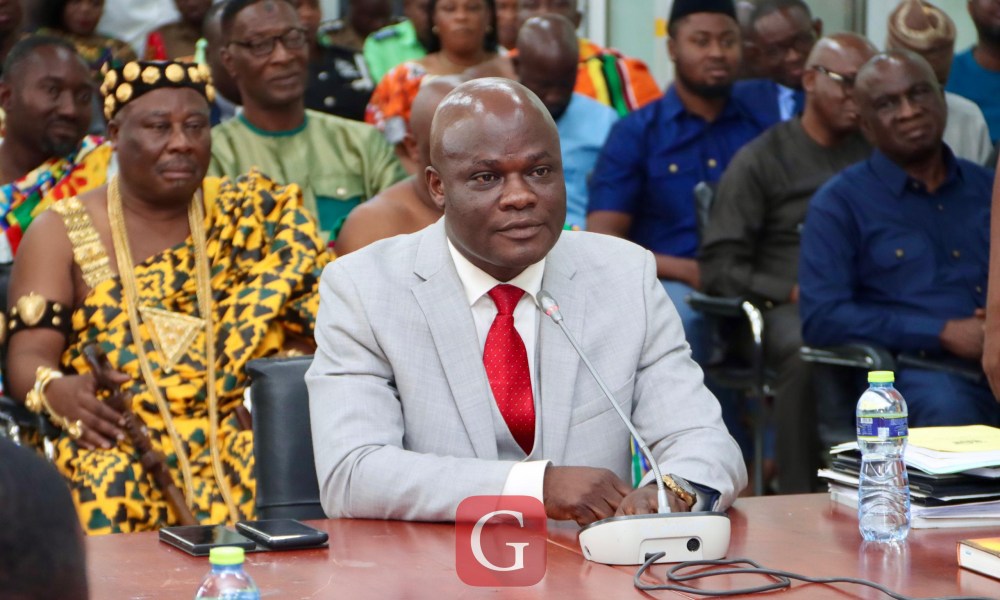
Ahmed Ibrahim, the Minister for Local Government, Chieftaincy and Religious Affairs, confirmed these details. He stated that 6,272 elected Assembly Members receive the allowance. Another 2,813 government-appointed Assembly Members are also beneficiaries. The total annual cost for these allowances is GHS 117 million.
This allowance program highlights the government's focus on strengthening local administrative structures. It comes amidst broader efforts to decentralize governance and empower local leaders. The financial outlay reflects a sustained investment in the country's local government system. This investment supports the functioning of district assemblies. It also impacts the overall public expenditure.
Minister Ibrahim addressed Parliament’s Assurances Committee regarding the payments. He said, 'Each Assembly Member is entitled to a monthly allowance of GH¢1,300, which is paid quarterly through the country's 261 Metropolitan, Municipal and District Assemblies.' He also clarified that the only challenge during implementation was taxation. He added, 'They were saying they would not allow tax to be deducted from it, but we explained that all allowances are taxable. That was the only challenge.'
This policy means a substantial recurring expense for the government. Future discussions will likely focus on the scheme's sustainability and its impact on public finances. Analysts will monitor how these allowances affect the effectiveness and accountability of local governance. This financial commitment could also influence future budget allocations for other development programs. Stakeholders will watch for any changes to the payment structure or beneficiary numbers.
The government's continued investment in assembly members is part of a larger push. It aims to improve local service delivery and citizen participation. This financial support helps to institutionalize the role of assembly members. This also provides them with a consistent income. This move could potentially enhance their dedication to community development. It sets a precedent for how local government officials are compensated. This financial decision will have long-term implications for Ghana's decentralization agenda.