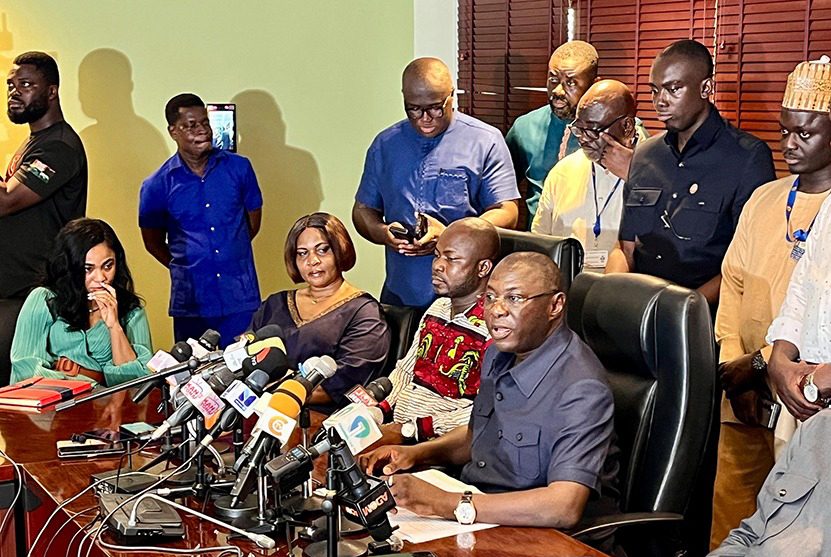
Former Finance Minister Dr. Mohammed Amin Adam has strongly criticized Ghana's 2026 Mid-Year Budget Review, stating it contains many promises but few practical solutions for improving Ghanaians' lives. Dr. Adam, who is also the Ranking Member on Parliament’s Finance Committee, made these remarks after Finance Minister Dr. Cassiel Ato Forson presented the review to Parliament.
Dr. Amin Adam argued that the government has failed to introduce meaningful policies and programs to address the country’s pressing economic challenges. He claimed the budget review confirms concerns previously raised by the opposition New Patriotic Party (NPP), suggesting the original 2026 Budget lacked substance and the mid-year review did little to change that perception. The document, he stated, is filled with ambitious announcements but lacks the financial backing and concrete strategies needed to turn promises into reality.
This criticism highlights ongoing political debate surrounding Ghana's economic management and recovery efforts. The nation has been grappling with high inflation and a depreciating currency, making effective budget implementation crucial. The government's ability to demonstrate a clear roadmap for economic improvement is vital for public confidence and investor sentiment.
Dr. Amin Adam further criticized the Mahama administration for continually attributing current economic difficulties to the previous government. He argued that after nearly 18 months in office, the government should focus on fulfilling its campaign commitments. Ghanaians, he stated, voted for the National Democratic Congress (NDC) with the expectation of solutions to economic problems and improved living standards.
He contended that data presented by the Finance Minister during the budget review painted a less favorable economic picture than the government suggested. Dr. Adam accused Dr. Cassiel Ato Forson of attempting to portray the economy positively through political messaging. He insisted the figures in the budget review reflected ongoing weaknesses in economic management. The former Finance Minister maintained that the review lacked detailed policies and decisive interventions to restore public confidence. Ghanaians, he concluded, seek measurable progress and tangible economic results, not continued explanations about inherited shortcomings.
The government's response to these criticisms and its subsequent actions will be closely watched by citizens and financial markets. The effectiveness of the budget review in addressing economic challenges will determine its impact on Ghana's fiscal health and the daily lives of its people. Future economic reports and policy announcements will provide further insight into the government's strategy and its ability to deliver on its promises.