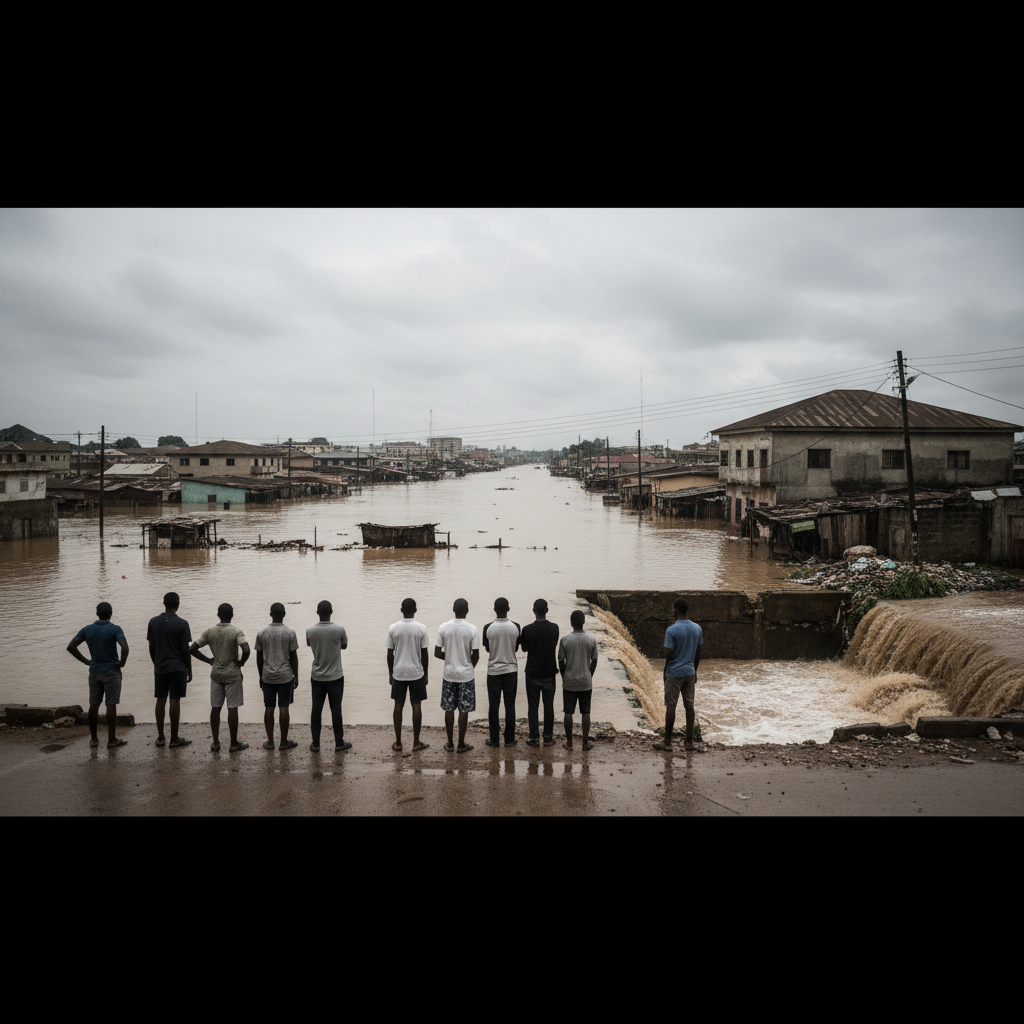
Ghana's Interior Minister, Mohammed Muntaka Mubarak, stated that no drainage system could have prevented the recent devastating Accra floods. He attributes the disaster to the sheer volume of rainfall, which overwhelmed the capital's existing infrastructure. The floods tragically claimed nine lives and caused significant property damage.
Mr. Mubarak, also the Asawase MP, made these remarks on JoyNews' PM Express following the torrential rains. He indicated that preventing floodwaters from entering homes would have required transforming the entire city into a giant drainage channel. This perspective underscores the immense challenge posed by the recent weather event.
This incident highlights Ghana's vulnerability to extreme weather events, a growing concern amid climate change. While Accra has historically faced flooding issues, the minister's statement points to a crisis exceeding typical infrastructure capacity. The economic impact of such disasters strains public finances and affects livelihoods across the capital.
"We are really very sorry for the loss of life," Mr. Mubarak said. "We are sorry that this thing has really devastated Accra, but believe me, the only way this rain today could have been avoided from going into people’s homes was to lump the whole Accra as a drain." He acknowledged the government's limited resources. "This country is not a rich country where we have shelters, so we can collect people and go and put them there."
Looking ahead, the government plans to improve its disaster preparedness and emergency response mechanisms. Minister Mubarak praised the Minister for Communications, Digital Technology and Innovation, Samuel Nartey George, for swift action in engaging mobile network operators. This collaboration enabled the sending of warning messages to the public, marking an improvement in communication efforts.
However, Mr. Mubarak questioned the timing of specific weather alerts for Monday's storm. He noted that while forecasts predicted heavy rains for June and July, the specific alert arrived at 11 PM the previous night. This late notification meant most Ghanaians were asleep, potentially limiting their ability to prepare. Discussions have also begun to strengthen coordination across various government ministries to enhance future preparedness.
The financial implications for reconstruction and disaster relief efforts are substantial. Such events often necessitate reallocation of public funds and can deter economic activities. Policymakers will likely face increased pressure to invest in climate-resilient infrastructure. This includes improving drainage systems and developing more robust early warning systems to protect lives and property.