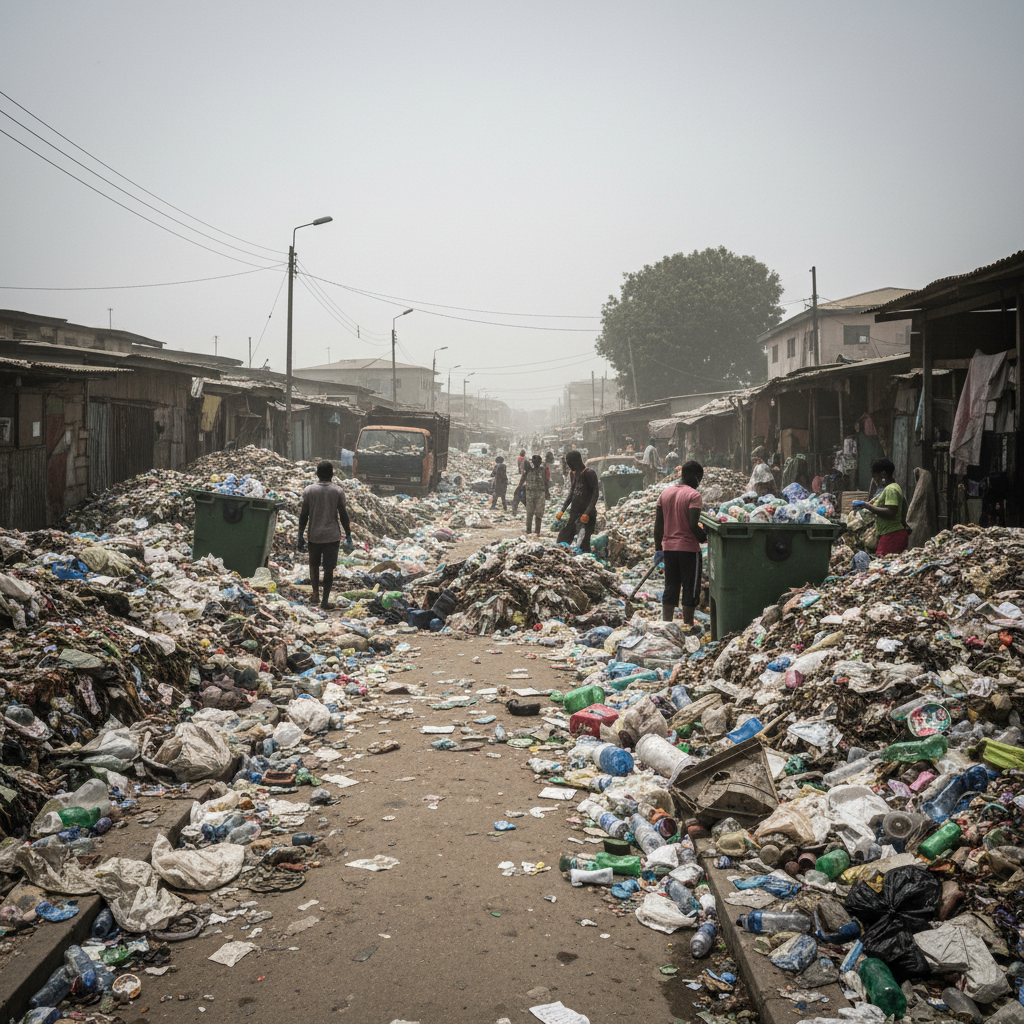
Accra is experiencing severe flooding and waste accumulation following the abrogation of sanitation contracts with Zoomlion Ghana Limited. The termination of these agreements has created a significant gap in waste management, contributing to widespread choked drainage systems throughout the capital.
This critical situation means floodwaters now struggle to drain, causing significant damage and posing health risks. Residential areas and critical infrastructure are frequently submerged after even moderate rainfall. The lack of routine desilting and waste collection is directly contributing to this crisis, impacting daily life for thousands of residents.
The current sanitation woes contrast sharply with previous periods when Zoomlion managed waste collection. For years, the company's teams regularly cleared drains and collected refuse across Ghana. This system, despite any imperfections, ensured clearer gutters and better flood resilience. The current vacuum affects Accra's urban development and economic stability, particularly during the rainy season.
According to Ogudi Joseph, an MSc. Ecology and Nature Management expert from RUDN University, the persistent floods are largely a “man-made” problem. He stated, “The truth is, this year’s persistent floods are largely due to one ‘man-made’ problem: choked gutters.” This assessment highlights the direct link between sanitation management and the escalating flood crisis. Joseph argues that the abrogation of the Zoomlion contract across the country left a vacuum no one has adequately filled.
The immediate implication is a continued rise in flood incidents and associated damages if no tangible solution is implemented. Decision-makers face mounting pressure to address the sanitation deficit. Markets and local businesses are also susceptible to disruptions from flood-related damages, impacting economic activity. Re-engaging with experienced waste management providers like Zoomlion could be a necessary step to mitigate further environmental and economic calamity.
The economic toll from these floods runs into millions of GHS. This money could otherwise support development initiatives rather than disaster recovery efforts. Diseases such as cholera and malaria are also likely to increase due to stagnant, contaminated floodwaters. The urgency to restore effective waste management services is therefore paramount.
The situation underscores a broader challenge for urban planning and public health in Ghana. Without a robust system to manage solid waste and maintain drainage infrastructure, Accra will remain vulnerable. This vulnerability impacts public safety and hinders long-term economic growth. The ongoing rainy season will continue to expose these systemic failures.
Addressing the current challenge requires more than temporary fixes. It demands a sustainable, long-term strategy for waste collection, drain desilting, and overall urban sanitation. The lessons from the Zoomlion contract abrogation are clear: a functioning waste management system is essential for flood control and public health in Ghana's urban centers.