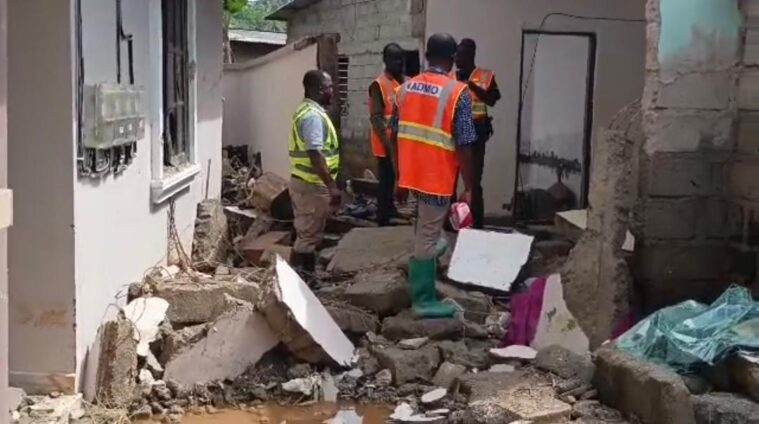
Torrential rains in Ghana’s Central Region killed 18 people and destroyed 58 houses. Interior Minister Muntaka Mohammed-Mubarak revealed these figures to Parliament on Tuesday, June 30. The disaster unfolded approximately two weeks prior to separate, major floods in Greater Accra.
The extensive damage in the Central Region mainly affected ageing structures made of mud and brick. Many of these buildings, some over 100 years old, could not withstand the prolonged rainfall. Thousands of residents were forced from their homes due to the floodwaters.
This incident adds to Ghana's growing challenges with extreme weather and its human cost. The nation frequently experiences severe flooding during its rainy seasons, impacting various sectors of the economy. Climate change is increasing the frequency and intensity of these weather events, posing significant risks to infrastructure and livelihoods.
Minister Mohammed-Mubarak clarified the timeline during his update to Parliament. He stated, “In the Central Region, Mr Speaker, in the last two weeks, we had 58 houses that collapsed.” He further added, “Unfortunately, there too we lost 18 individuals, as per the report that was sent to me in Cape Coast.”
The government is providing assistance to those affected by these devastating floods. Emergency response organizations like the National Disaster Management Organisation (NADMO) are active. The Ghana Armed Forces, Ghana Police Service, and Ghana National Fire Service are also involved. Their efforts include search-and-rescue operations, damage assessment, and humanitarian aid delivery.
This Central Region disaster occurred before the widespread flooding in Greater Accra. The Greater Accra floods impacted 7,761 households and 3,882 individuals, causing 12 confirmed fatalities. These combined events underscore the critical need for improved flood mitigation strategies and resilient infrastructure nationwide. Decision-makers will likely face increased pressure to address urban planning, drainage systems, and early warning mechanisms. The economic implications include rebuilding costs, agricultural losses, and potential disruptions to trade and transportation. Communities in flood-prone areas will focus on preparedness and adaptation measures as climate patterns evolve. These events highlight the vulnerability of Ghana's infrastructure to severe weather, prompting a need for robust national disaster management plans.