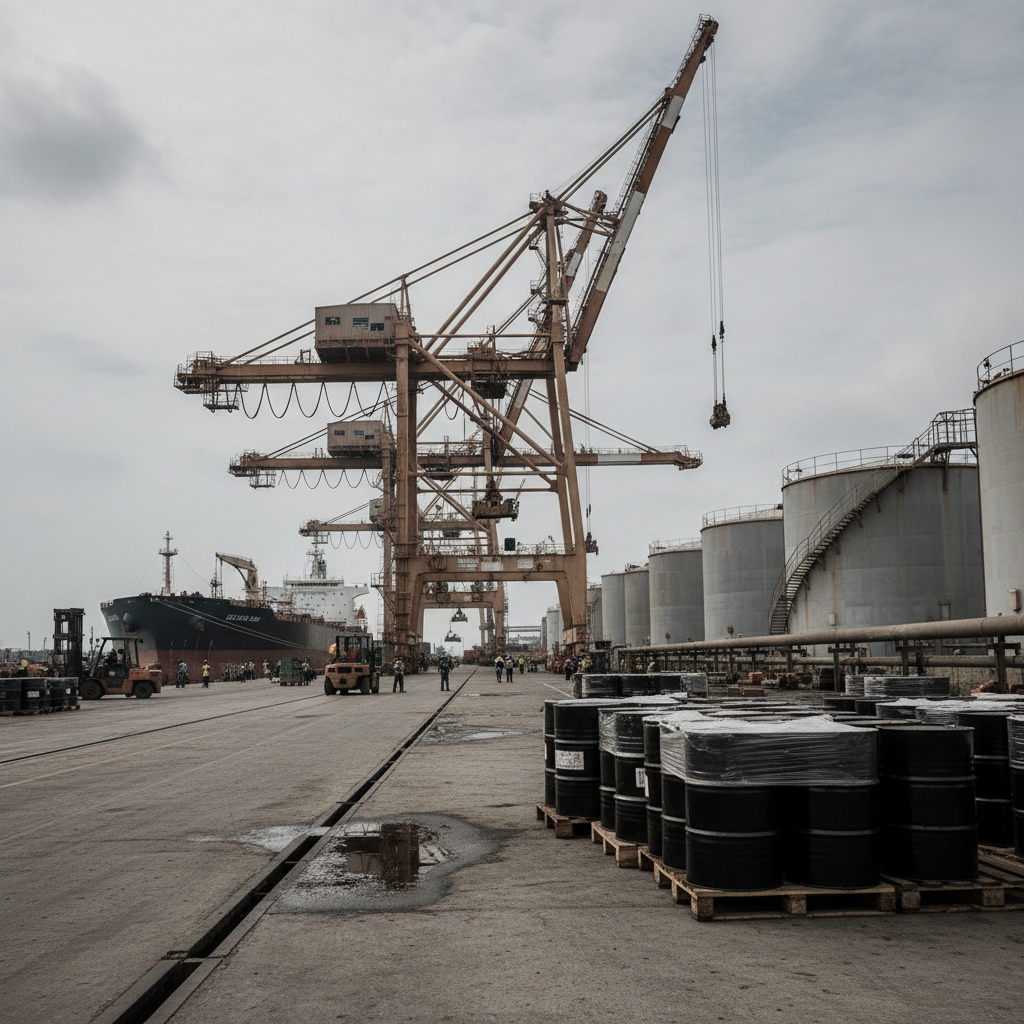
Oil prices decreased by 4% to their lowest level in four months after the United States and Iran concluded indirect talks in Doha. These discussions primarily focused on maritime traffic in the Strait of Hormuz and the unfreezing of Iranian funds. Negotiators ended the two-day meeting without a clear resolution to these critical issues.
The price drop reflects investor sentiment regarding the potential for eased tensions in the Middle East, which impacts global oil supply. The discussions were technical and did not address Iran's nuclear program, according to sources familiar with the talks. An interim agreement two weeks prior had already addressed some of these issues.
This development fits into Ghana's broader economic outlook, which is sensitive to global energy prices. Lower oil prices can reduce the cost of imported fuel, potentially easing inflationary pressures and reducing the foreign exchange burden on the Bank of Ghana. However, Ghana also has oil and gas exports, so sustained low prices could affect government revenue projections.
Qatar's Foreign Ministry spokesperson stated the Doha discussions showed "positive progress" on issues related to a June memorandum that halted the war. US President Donald Trump commented, "The denuclearisation of Iran is moving along well." He added that the parties "had very good meetings."
The next meeting will occur after funeral processions for Iran's late Supreme Leader Ayatollah Ali Khamenei, who is set to be buried on July 9. The ongoing status of the Strait of Hormuz remains a critical point of concern. This strait handles one-fifth of global oil and liquid natural gas trade.
Analysts have already adjusted their price forecasts downward for the first time since the conflict began in February. The continued uncertainty surrounding the Strait of Hormuz means markets will closely watch future talks. Any disruptions could quickly reverse the current trend in oil prices. Iran aims for international recognition of its control over the strait.
Iran has previously stated it will assess tolls on shipping starting in mid-August. This will happen after a toll-free period from the initial agreement expires. Vandana Hari, founder of oil market analysis provider Vanda Insights, noted, "Hormuz continues to reopen, but it's patchy, unpredictable, and not fully transparent."
Several European countries offered to help clear mines from the Strait. Germany's defense minister, Boris Pistorius, indicated his country would not participate. He cited Iran's lack of cooperation with other nations as the reason. The long-term stability of shipping through this vital waterway remains a key factor for global energy markets.