The price of oil has fallen sharply, with Brent crude, the global benchmark, sinking more than 9% to $87.59 a barrel at one point. This significant drop occurred amid hopes that a pause in attacks between the United States and Iran could help de-escalate the conflict.
This downturn marks a sharp reversal from last week when Brent crude had risen above $100 a barrel. The fall followed an announcement by the US ambassador to the UN that attacks on Iran had been halted for a second consecutive night to allow for diplomatic discussions. An Iranian army spokesperson confirmed on Sunday that Tehran had also stopped its “retaliatory” attacks in the region.
The initial outbreak of the Iran conflict triggered a sharp rise in oil prices, primarily due to the effective closure of the Strait of Hormuz. This critical shipping route typically transports about 20% of the world’s oil and liquefied natural gas (LNG). The recent de-escalation efforts are crucial for global energy markets and Ghana’s economy, which is highly sensitive to international oil price fluctuations.
When Iran and the US signed a memorandum of understanding in June to halt military operations and reopen the strait, the price of oil fell back to pre-war levels of around $70 a barrel. However, the collapse of that ceasefire earlier this month reignited fears over global energy supplies. This pushed the oil price back up, hitting $100 a barrel for the first time since May, with additional concerns arising from Houthi militia attacks on oil tankers in the Red Sea.
By Monday afternoon, the price of Brent crude stood at $90.60 a barrel, representing a more than 6% decrease for the day. Susannah Streeter, chief investment strategist at Wealth Club, noted that markets are remaining “cautious given the twists and turns during this conflict.” She added that despite the sharp fall in crude, “there is still significant uncertainty baked into these prices and a reticence about whether negotiations will lead to a lasting breakthrough.”
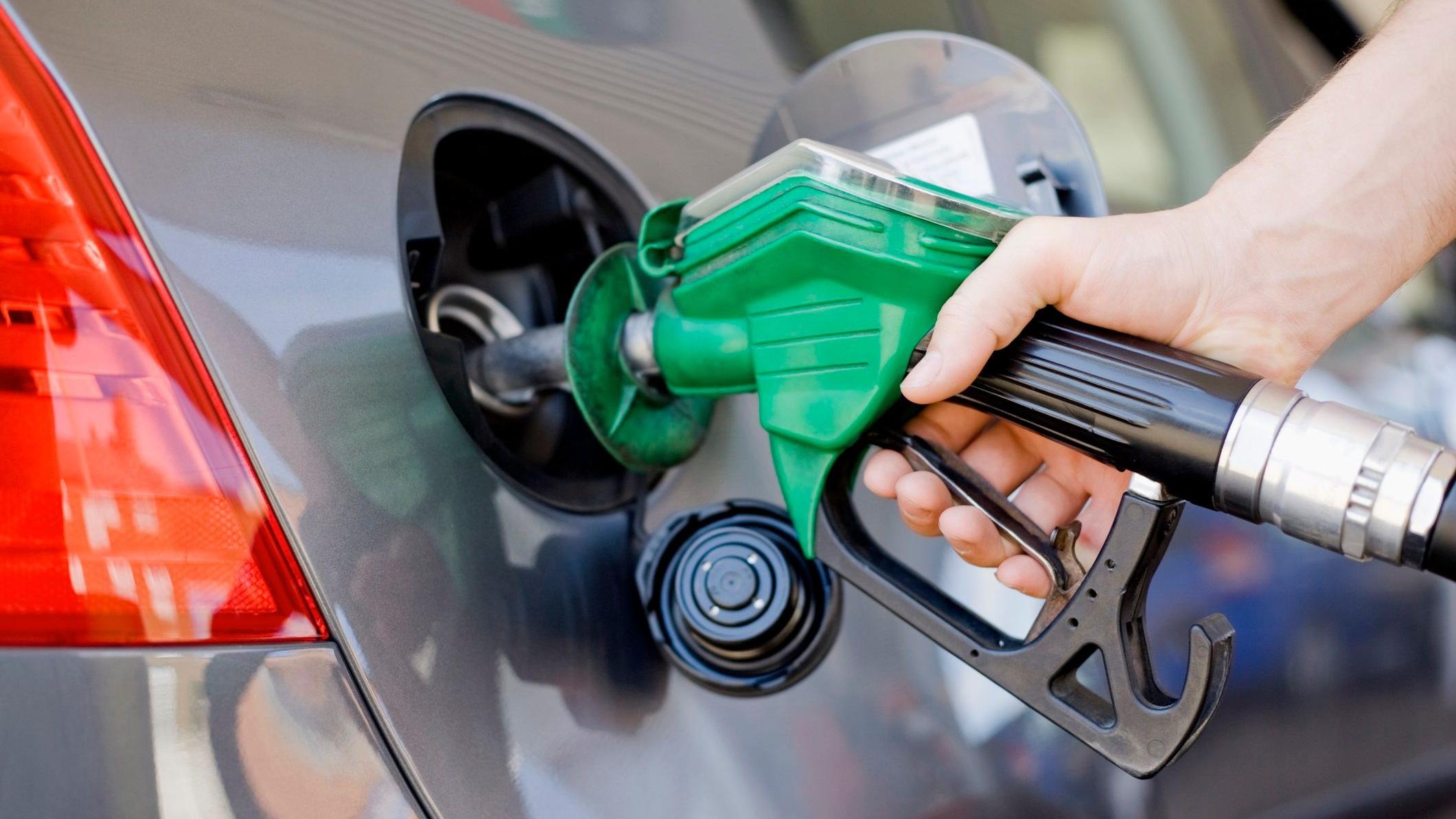
The conflict between the US and Iran, and its impact on oil prices, has pushed up the cost of fuel such as petrol and diesel in many countries, including Ghana. This often creates ripple effects on other prices, such as food, as businesses pass on higher operational costs to consumers. Such price increases can accelerate the rate of inflation, posing a challenge for Ghana’s economic stability.
Higher inflation raises the possibility that central banks, including the Bank of Ghana, might increase interest rates to control price rises. In June, the European Central Bank lifted its key interest rate for the eurozone for the first time in almost three years, citing the conflict’s “generating inflation pressures.” For Ghana, sustained high oil prices could complicate efforts to manage inflation and stabilize the local currency, the Ghana cedi.
Before the Iran conflict began, there were expectations that the Bank of England would cut rates this year. However, no cuts are now expected, and financial markets are currently predicting a rate rise towards the end of the year. The Bank of England holds its latest interest rate-setting meeting this week, where it is expected to keep its key rate unchanged at 3.75%. These global monetary policy shifts can influence investor sentiment towards emerging markets like Ghana.
The ongoing geopolitical tensions and their impact on oil prices will continue to be a critical factor for global and local economies. Decision-makers in Ghana will closely monitor these developments to assess their implications for fuel subsidies, inflation targets, and overall economic growth. A sustained period of lower oil prices could provide some relief, but renewed escalation would present significant economic headwinds.