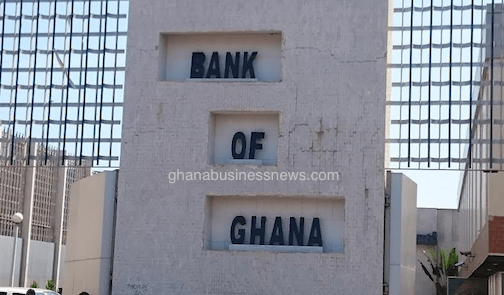
Interest rates on the Ghana government's Treasury bills increased in the latest auction conducted by the Bank of Ghana. The 91-day, 182-day, and 364-day Treasury bills all saw a slight rise in their rates compared to the previous auction.
The 91-day bill increased from 5.73 percent to 5.87 percent. The 182-day bill went up from 7.69 percent to 7.79 percent, a minor but noticeable change. The 364-day bill recorded an increase from 12.82 percent to 12.93 percent, maintaining its position as the highest-yielding security.
This upward movement in rates suggests investors require higher returns for lending money to the government. Such increases often reflect changes in inflation expectations or perceived lending risk. These borrowing costs impact the government's budget, especially concerning debt servicing. This trend could indicate growing pressure on Ghana’s public finances as the government seeks to manage its domestic debt.
The Bank of Ghana's auction results revealed strong investor participation, with bids totaling billions of GHS for the available securities. Even with robust demand, the slight rate increases indicate a recalibration of investor expectations. The Ghana News Agency reported these results on July 5, 2026. This shows a continuous market assessment of government securities.
Higher Treasury bill rates mean the government will pay more to borrow money from the domestic market. This could lead to increased government expenditure on interest payments, potentially affecting funds available for other sectors. Policymakers and financial markets will monitor these rates closely for further trends. Continued rises could signal broader economic shifts impacting Ghana’s fiscal stability.
The steady demand for Treasury bills, despite the rising rates, shows investors maintain confidence in government securities. However, this confidence comes at a higher cost for the government. Analysts will watch forthcoming auctions to determine if this upward trend will continue. The trajectory of these rates influences overall market sentiment and future borrowing strategies for Ghana.
This rise in rates may also affect commercial bank lending rates in Ghana. As Treasury bill rates increase, banks might adjust their own lending rates upwards. This could, in turn, impact businesses and individuals seeking credit for investment and consumption. The government’s ability to manage its debt effectively is crucial for sustained economic growth.
The performance of these short-term government securities is a key indicator of the country's economic health. The 364-day bill consistently offering the highest return aims to attract longer-term investment. This helps the government secure funding for its operations and development projects. Future auctions will provide more clarity on the stability of these rates.