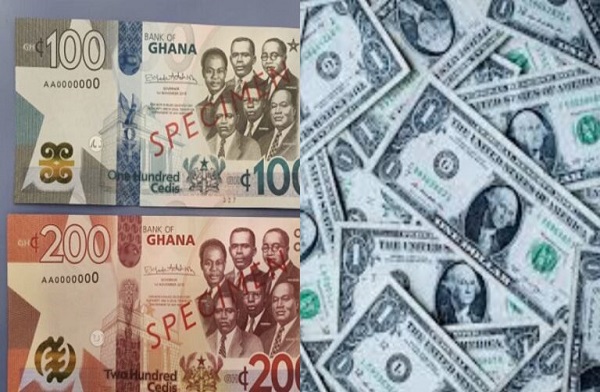
Ghana’s cedi depreciated by 0.89% against the US dollar in one week, trading at GHS 11.30 per dollar on September 3. This movement signals a return of foreign exchange pressure across parts of Africa, driven by strong dollar demand.
The primary drivers for this depreciation include robust corporate demand for dollars to finance imports. Additionally, foreign investors are seeking to repatriate coupon payments, converting their cedi-denominated earnings into dollars. These factors are testing local currency markets and attracting significant interest in Bank of Ghana foreign exchange auctions.
This recent weakening fits into a broader narrative of Ghana's ongoing struggle with structural foreign exchange demand. Despite periods of relative stability, the economy consistently requires dollars for essential imports like fuel, machinery, and pharmaceuticals. This persistent demand often outstrips the supply of dollars from exports and other inflows, creating a fundamental imbalance in the market. The Bank of Ghana's interventions can offer short-term relief but do not resolve these underlying issues.
Reuters reported that dealers anticipate the cedi will remain under pressure in the coming week. This does not necessarily mean a sharp fall, but it suggests that market liquidity could become tighter. This occurs if the supply of dollars fails to keep pace with the combined needs of businesses and foreign investors. The distinction between a stable headline rate and deep market liquidity is crucial for economic health.
The implications for Ghana are significant, as a weaker cedi directly increases the cost of imported goods. This includes fuel, machinery, medicines, and food, which can fuel inflation and impact household budgets. Businesses also face higher operational costs, potentially affecting investment and growth. Policymakers must address the structural issues to achieve lasting currency stability.
Ghana’s situation mirrors patterns seen in other African economies, though with different specific triggers. Uganda’s shilling also weakened by approximately 0.80% against the dollar, primarily due to strong demand from energy importers. Zambia’s kwacha depreciated by 0.99%, although strong copper prices are expected to provide some near-term stability. These regional trends underscore the vulnerability of many African currencies to global market dynamics and domestic economic pressures.
The Bank of Ghana's role in managing short-term volatility is important, but a sustained solution requires more. Durable currency stability depends on strong export earnings, consistent capital inflows, and confidence in Ghana’s financial assets. Without these, reliance on official dollar supply will only offer temporary relief. The government's economic policies and efforts to boost local production and exports will be critical in the months ahead. This will help to reduce the structural demand for foreign exchange and build resilience against external shocks. Investors and businesses will closely monitor the Bank of Ghana's actions and the government's fiscal management. These factors will determine the cedi's trajectory and the broader economic outlook.