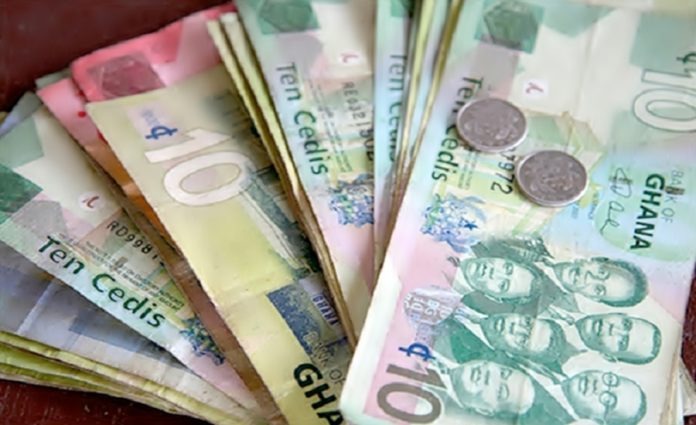
The Ghana cedi has staged a strong recovery against the US dollar, recording four consecutive days of gains. This improvement occurred between Tuesday, August 11, and Friday, August 14, 2026. Data from the foreign exchange market confirms a significant strengthening of the local currency.
Commercial banks are now quoting the dollar at about GHS 11.30 on indicative rates. Bloomberg data shows the dollar at approximately GHS 10.96. The Bank of Ghana quotes the dollar at GHS 10.98. These rates represent a sharp improvement from earlier in August when some commercial banks sold the dollar for more than GHS 12. The recovery follows sustained pressure on the cedi from July into early August.
This recent strengthening of the cedi fits into Ghana's broader economic narrative of managing currency stability. The country has faced significant challenges with cedi depreciation in recent years. The Bank of Ghana's interventions and efforts to stabilize the currency are critical for economic confidence. A stable cedi helps control inflation and reduces the cost of imports for businesses and consumers. Ghana's foreign exchange reserves stood at US$12.9 billion at the end of June 2026, providing a buffer for market interventions.
The Bank of Ghana has significantly increased its market support this year. The central bank sold more than US$8 billion into the foreign exchange market between January and July 2026. This action aimed to improve liquidity and meet dollar demand. Specifically, it sold about US$7.45 billion through its FX Intermediation Programme. An additional US$811 million was deployed via its FX Intervention Programme. This brings total market support to over US$8.2 billion so far this year. The Bank of Ghana expects this figure to approach US$9.2 billion by the end of August.
The recent gains are supported by improved Bank of Ghana interventions and increased inflows. The extractive sector, which includes mining and oil, has contributed to these inflows. Offshore investors seeking to purchase local bonds also brought in foreign currency. Market players also noted easing demand for dollars from businesses. For example, on August 11, the Bank of Ghana offered US$125 million to commercial banks. However, bids received totalled only US$85 million. A similar trend occurred on August 13, when the central bank offered US$125 million, but bids reached only US$94 million. This suggests that demand for foreign exchange is indeed easing.
The Bank of Ghana stated that the recent recovery aligns with its Exchange Rate Management Framework. Sources close to the central bank expect the cedi to strengthen further in the coming week. The Bank of Ghana has assured businesses that there is no need to panic during temporary cedi pressures. It highlights the country’s strong reserve position as evidence of its ability to intervene. These interventions support the foreign exchange market when needed. The improved market conditions could lead to more predictable import costs for businesses. This stability is crucial for planning and investment decisions.
Some banks anticipate the cedi’s recent gains will continue in the coming weeks. They point to improved foreign exchange inflows and easing business demand as key factors. Donor inflows have also supported the market, with additional funds expected soon. These inflows could further strengthen Ghana’s reserves. A stronger cedi can help reduce imported inflation, benefiting consumers. It also makes Ghana a more attractive destination for foreign direct investment. The sustained recovery depends on continued central bank vigilance and robust economic policies.