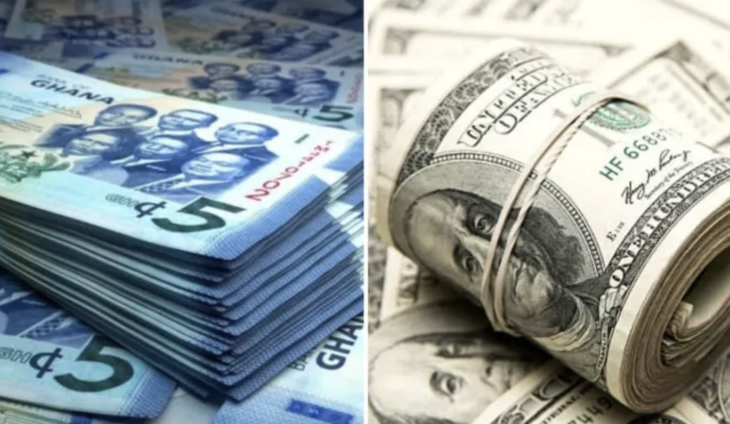
The Ghana cedi has started the week steady against major international currencies, according to the latest interbank foreign exchange rates published by the Bank of Ghana. This stability provides a clear benchmark for financial transactions across the country.
The official data shows the US Dollar at a mid-rate of GHS 11.5500. It has a buying rate of GHS 11.5442 and a selling rate of GHS 11.5558. The British Pound Sterling is trading at a mid-rate of GHS 15.5284, while the Euro stands at GHS 13.2118. These figures are crucial for businesses and individuals engaged in international trade and payments.
This consistent performance of the cedi is important for Ghana's economic stability. A stable currency helps control import costs and reduces uncertainty for investors. The Bank of Ghana's transparent reporting of these rates, based on large transactions of GHS 10,000 or more by licensed commercial banks, helps guide market expectations. This approach differs from individual rates found at smaller forex bureaux, offering a more reliable indicator of the currency's true value.
The Bank of Ghana calculates these rates to reflect actual wholesale trading activity. This method filters out erratic market volatility, providing a more accurate picture of the cedi's strength. The central bank's role in providing these reference numbers is vital for maintaining confidence in the financial system. It ensures that all market participants have access to consistent and reliable exchange rate information.
Beyond major global currencies, the Bank of Ghana also provides benchmarks for regional trade. The cedi trades at a mid-rate of GHS 119.00 against the Nigerian Naira. This is a key indicator for the significant trade corridor between Ghana and Nigeria. The specialized cross-border benchmark for the regional CFA Franc is GHS 49.6495. These regional rates are essential for cross-border merchants and businesses operating within the ECOWAS sub-region, helping them manage import costs and currency considerations effectively.
The stability of the cedi against these currencies is a positive sign for Ghana's economic outlook. It suggests that the measures taken by the Bank of Ghana to manage foreign exchange are having an effect. Continued stability will support business planning and reduce inflationary pressures. Decision-makers and markets will closely watch these rates for any shifts in the coming weeks. This ongoing monitoring is crucial for maintaining economic predictability and investor confidence in Ghana.