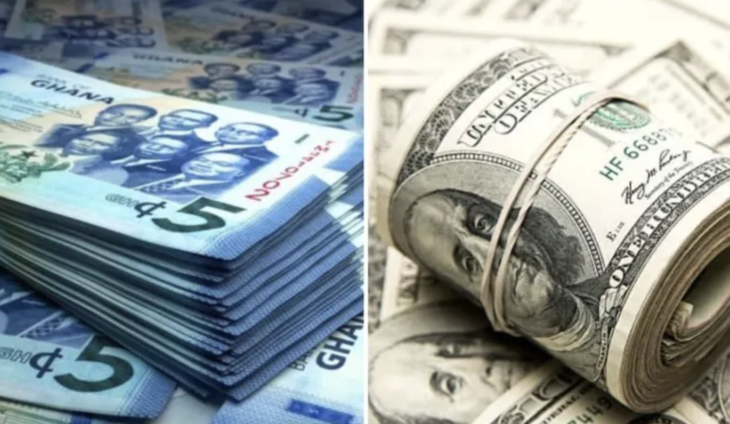
Ghana’s currency, the Cedi, has significantly reduced its year-to-date depreciation against the US dollar, now standing at 4.09 percent. This improvement follows a period where the Cedi’s depreciation reached 10.4 percent by the end of July 2026.
The local currency’s recent strong performance has also positively impacted its monthly and weekly standings. Market data indicates the Cedi continued its upward trend during the week of August 10 to 11, 2026. This sustained positive movement suggests potential for continued stability in the coming weeks.
This development is crucial for Ghana’s broader economic narrative, which has grappled with currency volatility. A stable Cedi can help manage inflation, reduce import costs, and boost investor confidence in the Ghanaian economy. The Cedi’s previous struggles contributed to higher living costs and business uncertainty, making this recovery a welcome change.
The Bank of Ghana’s active foreign exchange intermediation and market support are key drivers behind the Cedi’s improved performance. Inflows from the extractive sector, such as gold and oil, have also bolstered the currency. Additionally, offshore investors have shown increased demand for Ghana’s local bonds, providing further foreign currency support. Market players also highlight easing demand pressures for foreign exchange as a significant factor in the Cedi’s recent strength.
Dr. Benjamin Amoah, a Senior Finance Lecturer at the University of Ghana Business School, expects the Cedi’s positive trajectory to continue. He attributes this optimistic outlook to the current Foreign Exchange Management Framework implemented by the Bank of Ghana. This framework aims to stabilize the currency and manage foreign exchange flows more effectively. The current performance represents a notable turnaround from the first half of 2026, when strong dollar demand placed immense pressure on the Cedi, leading to higher depreciation rates.
The sustained strength of the Cedi could lead to several positive implications for Ghana’s economy. Businesses might experience lower import costs, potentially reducing consumer prices and easing inflationary pressures. Investors will closely monitor the Cedi’s stability, as a predictable exchange rate encourages foreign direct investment and portfolio inflows. The Bank of Ghana will likely continue its interventions to maintain this stability, balancing market forces with policy objectives. This ongoing stability is vital for Ghana’s economic recovery and its efforts to attract and retain international capital. A stronger Cedi also improves the country's debt sustainability outlook, especially for foreign currency-denominated debts. This positive trend could also influence the government's fiscal planning and budget execution, providing more room for critical public spending. The market will be watching for consistent policy implementation from the Bank of Ghana to ensure these gains are not temporary. Continued offshore investor interest in local bonds will also be a critical indicator of market confidence. The Cedi's performance remains a key barometer for Ghana's overall economic health.