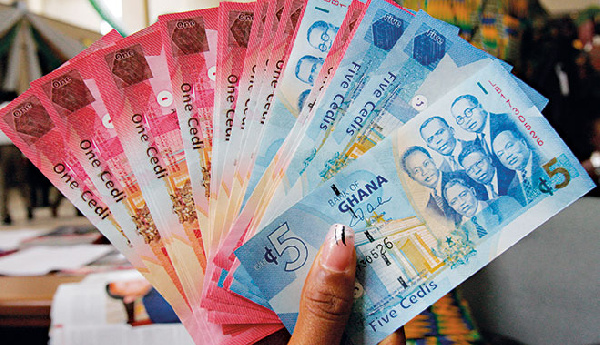
The Ghana cedi depreciated by 9.50% against the US dollar during the first seven months of 2026. This movement reverses part of the substantial gains recorded by the domestic currency in the previous year. The Bank of Ghana’s July 2026 Summary of Economic and Financial Data confirmed this development.
The cedi was trading at GHS 11.55 to US$1 as of July 17, 2026. This compares with GHS 10.45 at the end of December 2025. The depreciation marks a significant shift from the cedi’s performance in 2025, when it appreciated by 40.70% against the dollar. That earlier appreciation followed improved foreign-exchange liquidity and stronger investor confidence.
This latest data indicates the domestic currency has come under renewed pressure since the beginning of 2026. The cedi opened January at GHS 10.95 to the dollar before strengthening marginally to GHS 10.69 in February. It subsequently weakened to GHS 11.00 in March, GHS 11.19 in April, and GHS 11.73 in May. The currency recovered slightly to GHS 11.35 in June before weakening again to GHS 11.55 by the middle of July. This year-to-date depreciation reflects the change in the exchange rate relative to its December 2025 closing level. More cedis were required in July to purchase one US dollar than at the start of the year.
The cedi recorded a similar 9.50% depreciation against the British pound, trading at GHS 15.53 to £1 by July 17. This compared with GHS 14.06 at the end of December 2025. Against the euro, the domestic currency depreciated by 7.10%, with the exchange rate moving from GHS 12.27 at the end of 2025 to GHS 13.21 in July 2026. These figures show the weakening of the cedi was not limited to the US dollar. It extended across Ghana’s three principal trading currencies.
This depreciation occurred despite Ghana recording strong external-sector balances during the first half of the year. Total exports reached US$18.29 billion by June 2026, while imports amounted to US$9.48 billion. This produced a substantial trade surplus of US$8.81 billion. Gold exports remained the largest source of merchandise export earnings, generating US$12.50 billion. Cocoa exports contributed US$2.29 billion, while oil exports amounted to US$1.71 billion. Ordinarily, a large trade surplus should support foreign-exchange supply by increasing the amount of export proceeds flowing into the economy. However, the exchange-rate data suggest that other demand and supply conditions continued to influence the currency market.
The Bank of Ghana report does not provide a direct explanation for the cedi’s depreciation. The movement may nevertheless reflect the interaction of foreign-exchange demand for imports, debt-service obligations, corporate payments, and portfolio transactions. The timing of export proceeds also plays a role. Gross international reserves also declined during the second quarter of the year. Reserves fell from US$14.16 billion in March to US$12.94 billion in June. They still provided about five months of import cover. The decline in reserves does not automatically indicate the central bank used the full amount to support the currency. It highlights the importance of sustaining foreign-exchange inflows while meeting the country’s external obligations.
The cedi’s performance has direct consequences for inflation, businesses, and household expenditure. A weaker currency raises the local cost of imported fuel, machinery, pharmaceuticals, food products, and industrial inputs. Businesses that depend heavily on imported goods may face higher replacement costs. This could lead to higher prices for consumers or reduced profit margins. Exchange-rate pressure is particularly significant because inflation increased from 3.70% in May to 5.30% in June 2026. Non-food inflation rose more sharply to 6.30%, compared with food inflation of 3.90%. Although the inflation rate remained relatively low, continued cedi depreciation could create additional price pressures if businesses pass higher import costs to consumers.
The currency’s decline could also affect the cost of servicing foreign-currency obligations. Government, companies, and individuals with liabilities denominated in dollars, pounds, or euros may require more cedis to meet those obligations. Exporters, however, may benefit from receiving more cedis when their foreign-currency earnings are converted into the domestic currency. The overall benefit to the economy will depend on whether export revenues are retained and converted locally. It also depends on whether imported production costs rise at a slower rate. Policymakers will closely monitor these trends to mitigate adverse effects and support economic stability.