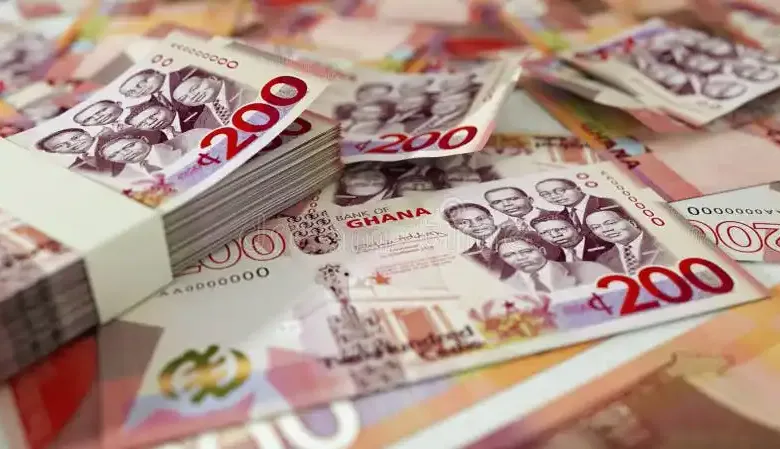
The Ghana cedi has depreciated by 8.89% against the US dollar since January, facing renewed pressure from a significant imbalance between foreign exchange demand and supply. This recent slide highlights ongoing challenges in Ghana's currency market, impacting businesses and economic stability.
Commercial banks report sustained pressure over the past two weeks, with businesses seeking more dollars than the market can provide. This strong demand is partly attributed to energy sector players needing foreign exchange for crude oil imports, finished petroleum products, and payments to power producers. Some market observers also point to an overall inadequate dollar supply to meet general business needs.
This depreciation fits into a broader narrative of currency volatility in Ghana, a common challenge for emerging economies reliant on imports. The cedi's performance directly affects import costs, inflation, and investor confidence. The Bank of Ghana frequently intervenes to manage these pressures, using its foreign exchange reserves to stabilize the currency.
The Bank of Ghana increased its weekly foreign exchange auction to $220 million last week. However, demand remained stronger than supply, with approximately $201 million in bids left unmet at Thursday’s spot auction. This indicates the scale of the demand pressure currently facing the market.
The central bank has maintained that the recent pressure is due to temporary market movements. Officials insist the Bank of Ghana is in a strong position to support the market and ensure critical imports are not affected. Ghana's international reserves have crossed $14 billion, providing a buffer against further depreciation.
The current depreciation follows a brief period of appreciation in June, when the cedi gained 3.30% against the US dollar. This improvement was largely due to the Bank of Ghana injecting $2.01 billion into the foreign exchange market. The central bank sold $1.2 billion through its Forex Intermediation Programme, conducting auctions twice weekly.
Despite these interventions, commercial banks submitted bids totaling $3.42 billion in June, underscoring the persistent high demand for foreign exchange. This gap between supply and demand continues to be a key driver of the cedi's depreciation. The Bank of Ghana expects improved foreign exchange inflows in the coming months.
These inflows include stronger remittance flows and support from development partners. The International Monetary Fund (IMF) program is also expected to provide about $380 million in program support, with an additional $240 million anticipated in July 2026. These funds are crucial for strengthening Ghana's reserves.
The Bank of Ghana is also optimistic that improved investor confidence, following Ghana’s Fitch upgrade and the government’s early Eurobond repayment decision, could support the economy. However, the central bank warns of remaining risks, particularly uncertainties surrounding the Middle East peace process. These geopolitical tensions could affect global crude oil prices and increase dollar demand, further pressuring the cedi.
The Bank of Ghana has stated it will continue to monitor developments and introduce measures to maintain stability in the foreign exchange market. Businesses and investors will closely watch these interventions and global economic trends for signs of sustained currency stability.