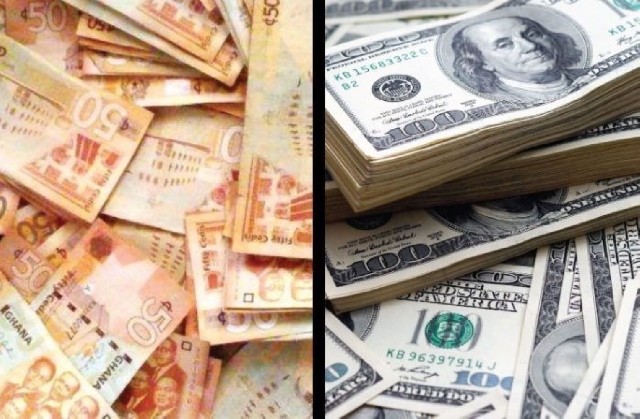
The Ghana cedi depreciated by 3.1% against the US dollar in July 2026. This decline pushed its year-to-date loss to 10.4% in the interbank market.
This significant depreciation reversed most of the cedi's gains recorded in June 2026. Market analysts attribute the July decline to a strong rebound in foreign exchange demand. This demand was primarily driven by the need for energy and other essential imports.
The cedi's performance fits into a broader narrative of currency volatility in Ghana. The Bank of Ghana reported an 8.4% depreciation in the first five months of 2026. This persistent weakness stems from sustained import demand and cautious foreign exchange supply conditions. Concerns about the Bank of Ghana's financial position have also influenced market sentiment.
IC Insights, a market analysis firm, highlighted key factors impacting the cedi. The firm noted a US$700 million Eurobond payment and a US$811 million forex intervention in June. These outflows trimmed Ghana's gross foreign reserves by US$1.2 billion, reducing them to US$12.9 billion. This reduction limits the Bank of Ghana's capacity for future market interventions.
The immediate implication is a likely continuation of downside risk for the cedi in August 2026. The Bank of Ghana will likely continue its regular market intermediation. However, its ability to significantly stem depreciation is now constrained by lower reserves. Businesses and consumers should prepare for continued currency fluctuations, impacting import costs and overall inflation.
The cedi's recent performance underscores the challenges Ghana faces in managing its external sector. High import dependency, particularly for energy, consistently pressures the local currency. The country's reliance on foreign exchange to meet these demands creates a structural vulnerability. This situation makes the cedi susceptible to global market shifts and domestic economic policies.
Ghana's efforts to stabilize its economy, including engagement with the International Monetary Fund, are crucial. The IMF programme aims to restore macroeconomic stability and debt sustainability. However, the cedi's depreciation indicates that these efforts require more time to yield consistent results. The government's fiscal consolidation and revenue generation strategies are vital for long-term currency stability.
The retail market currently sees the cedi trading at approximately GHS 12.42 per US dollar. This rate reflects the ongoing market pressures. The gap between interbank and retail rates can sometimes indicate underlying market stress. Monitoring this spread will be important for understanding market liquidity and confidence.
The Bank of Ghana's role in managing foreign exchange supply remains critical. Its interventions aim to smooth out excessive volatility. However, the recent reduction in gross foreign reserves limits its firepower. This situation means market forces will have a greater influence on the cedi's value in the short term. Businesses engaged in international trade must factor this volatility into their financial planning.
Policymakers will need to balance supporting economic growth with maintaining currency stability. Measures to boost local production and reduce import dependency could offer long-term solutions. Encouraging non-traditional exports would also help increase foreign exchange earnings. These strategic shifts are essential for building a more resilient Ghanaian economy and a stronger cedi.