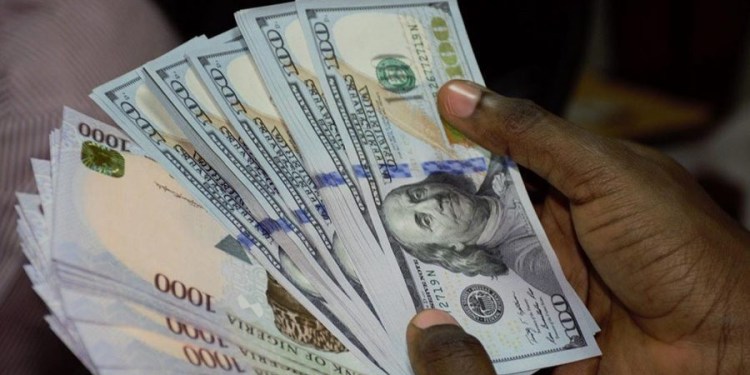
The US dollar traded within a narrow range on Wednesday, holding near 98.92 as global investors awaited crucial American inflation data and signals from the Federal Reserve. This cautious market sentiment leaves emerging market currencies, including Ghana’s cedi, exposed to shifts in global monetary expectations.
The dollar index, which measures the greenback against six major currencies, was largely unchanged at 98.918. This stability followed a three-day winning streak that ended on Tuesday. Investor caution stems from the upcoming release of July US personal consumption expenditures data, a key inflation measure. Markets are also preparing for the annual Jackson Hole gathering, where policymakers will likely provide new guidance on interest rates.
For Ghana, the dollar's movements significantly influence its economic stability. A stronger dollar increases the cost of imported goods, contributing to inflation. It also affects foreign exchange market conditions and raises the cost of servicing Ghana’s external debt. Furthermore, dollar strength can reduce investor interest in cedi-denominated assets, impacting capital flows into the country.
Westpac analysts noted that easing tensions in the Middle East provided some support to global risk sentiment. Efforts to reopen the Strait between Iran and Oman and plans for US diplomatic personnel to return to the region contributed to improved market confidence. Brent crude oil prices fell by 2.10% to US$86.68 per barrel during Asian trading, offering potential relief for Ghana's import bill.
A softer US inflation reading could lead to expectations of easier US monetary policy, potentially weakening the dollar. This scenario would improve investor appetite for emerging market assets, including those in Ghana. Conversely, hotter-than-expected inflation could reinforce expectations of higher US interest rates for longer, tightening global financial conditions and pressuring emerging market currencies.
Ghana, a net importer of petroleum, could benefit from sustained lower crude prices. Reduced international oil prices would decrease import costs, potentially translating into lower domestic fuel prices. However, Ghana is also a crude producer, so lower prices could simultaneously reduce its petroleum export earnings. The net effect depends on the scale and duration of these price movements.
Gold prices also weakened, falling 0.50% to US$4,633.94 per ounce, despite remaining up 15.00% for the month. As a major gold producer in Africa, Ghana relies on bullion prices for export earnings, mining company cash flows, and foreign exchange inflows. A sustained decline in gold prices would impact Ghana’s trade and external balances, even though current prices remain historically elevated.
The immediate concern for Ghana is not just the daily dollar index movement. It is what this week’s US economic data and the Federal Reserve’s messaging from Jackson Hole will mean for the global interest rate cycle. A weaker dollar and lower US yields would generally create more favorable conditions for emerging markets. This would ease external financing pressure, support portfolio investments, and reduce the cost of servicing dollar-denominated obligations. Such a development could provide additional support to the Ghana cedi, strengthening its position in the foreign exchange market.