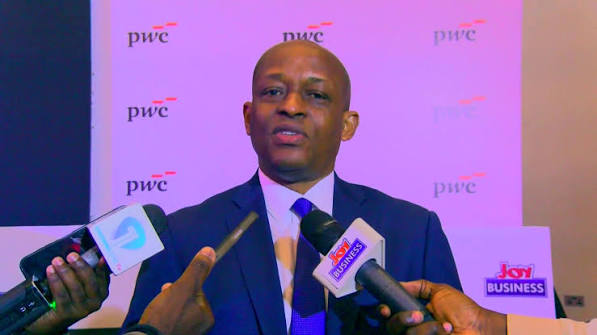
PwC: Ghana's Mid-Year Budget Shows Stabilisation Not Transformation

    Accounting firm PwC states government's economic narrative focuses more on short-term stability than long-term structural change, despite real fiscal consolidation.

    2 min read3 min listen
    PwC: Ghana's Mid-Year Budget Shows Stabilisation Not Transformation
    Accounting and advisory firm PwC has declared that the Ghanaian government's economic narrative is more convincing on stabilization than on transformation. The firm’s analysis of the 2026 Mid-Year Budget Review indicates Ghana has moved away from crisis conditions. However, PwC cautions that stronger macroeconomic stability does not equate to a fully repaired growth model for the nation. PwC’s assessment highlights that structural weaknesses remain deeply embedded within the economy. These issues stem from growth-critical sectors, including energy, infrastructure, agriculture, manufacturing, and the banking system. The firm argues that genuine transformation requires lasting and potentially painful solutions. These solutions would realistically need implementation over a period extending beyond a single political administration's term. This evaluation comes as Ghana continues its efforts to restore economic health following recent challenges. The government has focused on fiscal consolidation, which PwC acknowledges as real and significant. The commitment primary balance, a key measure of fiscal health, reached 0.9% of Gross Domestic Product (GDP) in the first half of 2026. The cash primary surplus stood at 0.6% of GDP, both figures exceeding budgeted targets. Expenditure also came in well below target, contributing to improved financial health. This included substantial interest savings of GHS 6.9 billion relative to the budget. Domestic interest savings alone accounted for GHS 4.2 billion of this amount. These savings represent a tangible improvement in the government's financing burden, easing pressure on public funds. PwC further noted that Ghana's debt dynamics have meaningfully improved. The reduction in debt ratios is partly due to ongoing debt restructuring efforts. Exchange-rate effects and nominal GDP growth also contributed to this positive trend. The firm stated that the debt stock is no longer on what was arguably an explosive path, providing greater confidence in the nation's financial stability. Remarkable progress in external debt restructuring has also been made. This includes the completion of the Saderea Notes exchange and multiple bilateral and commercial agreements. These developments significantly reduce tail risk for investors, making Ghana a more attractive destination for foreign capital. The country's foreign exchange reserves also show resilience. Ghana's five months of import cover in June 2026 comfortably exceeded the minimum target of three months. This suggests the government has more capacity to absorb moderate external shocks. While these indicators point to improved stability, PwC's analysis underscores the need for a long-term vision. Addressing the fundamental structural issues is crucial for sustainable economic growth and development beyond mere stabilization. Experts often emphasize that while fiscal discipline is vital, it must be coupled with strategic investments and reforms. These reforms should target productivity enhancements and diversification of the economy. Without addressing these deeper issues, the risk of future economic vulnerabilities remains, despite current stabilization efforts. The path to true economic transformation requires a concerted, multi-year national effort.

    Comments

    More from StatsGH