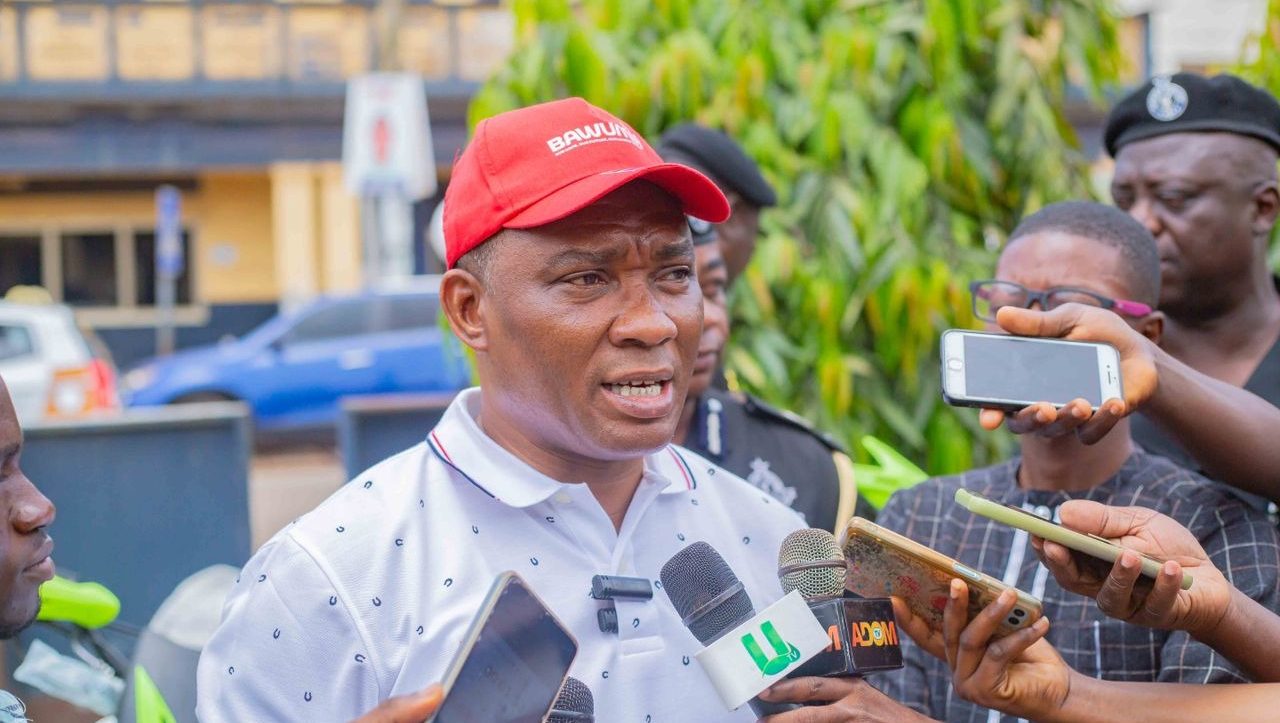
Former Tarkwa Member of Parliament, George Mireku Duker, has publicly criticized the John Mahama-led administration for allegedly prioritizing arrests and political discourse over Ghana's pressing economic issues. He stated that the government should concentrate on delivering the jobs, economic opportunities, and improved living conditions it promised Ghanaians. Duker's remarks underscore a significant debate within Ghana's political landscape regarding the government's approach to national development.
Duker's criticism stems from a perception that the current administration is excessively focused on political commentary and the apprehension of individuals. He argued that Ghanaians voted for the government with expectations of economic transformation, particularly through its flagship 24-hour economy policy. This policy was intended to create employment and business opportunities across different times of the day, a goal Duker believes is being overshadowed by other concerns.
This critique aligns with broader concerns about Ghana's economic trajectory and the government's responsiveness to public needs. Recent economic data indicates a mixed performance, with the Bank of Ghana reporting a 3.2% GDP growth in the second quarter of 2026. However, inflation remains a persistent challenge, impacting the purchasing power of ordinary citizens. The government's ability to manage these economic indicators directly influences public confidence and its political standing.
Speaking during a panel discussion on Ghana’s economy on Saturday, August 8, 2026, Mr. Duker asserted that the administration was “majoring on minor issues.” He maintained that the government was giving too much attention to comments made by individuals. He further criticized what he described as the excessive use of state authority in dealing with individuals over political statements.
The implications of such political discourse are significant for both the government and the populace. A perceived shift in focus from economic development to political enforcement could erode public trust and deter foreign investment. Investors typically seek stable environments with clear economic policies, and political distractions can create uncertainty. The government faces the challenge of demonstrating its commitment to economic growth while upholding democratic freedoms.
Duker's comments follow the New Patriotic Party’s “Democracy Under Attack” demonstration held on August 6, 2026. This protest was organized over what the party described as threats to democratic freedoms and the arrest of some of its members and supporters. The ongoing political tension could impact the government's ability to implement its economic agenda effectively. The administration must address these concerns to maintain stability and focus on its core mandate of improving the lives of Ghanaians.
The government's response to these criticisms will be crucial in shaping public perception and economic outcomes. Prioritizing job creation, particularly for the youth, and fostering a conducive business environment are essential for sustainable growth. The 24-hour economy policy, if effectively implemented, could significantly boost economic activity. However, its success hinges on a government focused on economic delivery rather than political skirmishes.
The current administration needs to demonstrate a clear strategy for tackling inflation and unemployment. The central bank, the Bank of Ghana, plays a vital role in managing monetary policy to achieve price stability. Its actions, combined with fiscal policies from the Ministry of Finance, will determine Ghana's economic future. The political rhetoric surrounding arrests and freedom of speech must not overshadow these critical economic imperatives.