Inflation target policy squeezing Ghanaians Miracles Aboagye claims
An aide to Dr Mahamudu Bawumia criticizes government's economic approach, citing reduced money circulation and unpaid arrears.
Nana Yaw Amoako | StatsGH |
2 min read3 min listen
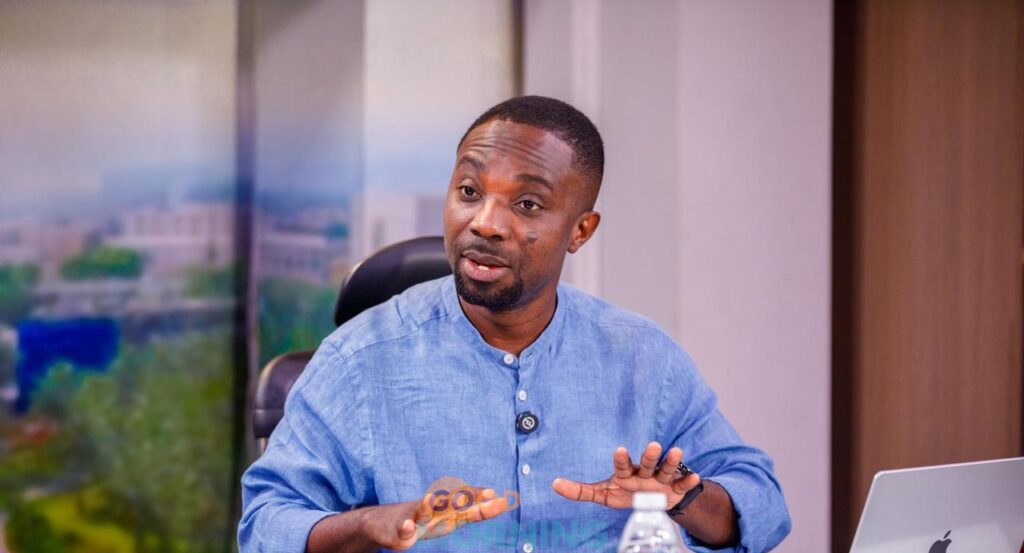
Mr. Aboagye stated that this situation makes it harder for people to spend money, operate their businesses, and meet financial responsibilities. He emphasized that the government is “sweeping all the money from the system,” leaving citizens with limited purchasing power. This assertion points to a tightening monetary policy, typically involving higher interest rates and reduced government spending, designed to curb rising prices.
Ghana’s economy has faced persistent inflationary pressures in recent years, with the Bank of Ghana implementing measures to stabilize the cedi and bring inflation within its target band. The central bank's primary objective is price stability, often achieved by managing the money supply. However, critics like Aboagye argue that such stringent measures can stifle economic activity and lead to hardship for the populace. The country's inflation rate, while showing signs of decline from its peak, remains a significant concern for households and businesses.
During an interview, Mr. Aboagye also criticized the government for significant unpaid arrears owed to various groups. He specifically mentioned that teachers are owed 15-month arrears, and nurses and cocoa farmers have also not received their payments. These outstanding debts contribute to the financial strain on these essential service providers and producers, further impacting their ability to participate actively in the economy.
Furthermore, Aboagye questioned the government’s handling of its campaign promise to automatically post newly qualified teachers and nurses. He claimed that only 7,000 out of a possible 70,000 qualified individuals were posted. He maintained that the government should have considered the existing backlog of unposted professionals before making such a promise during the 2024 election campaign. This discrepancy highlights potential challenges in public sector employment and resource allocation.
The implications of these claims are significant for public confidence and economic stability. If money circulation is indeed severely restricted, it could lead to reduced consumer spending and business investment, potentially slowing economic growth. Unpaid arrears to public sector workers and farmers can also create social unrest and reduce productivity. The government will need to address these concerns to maintain economic momentum and ensure social cohesion ahead of the upcoming elections. Observers will watch for official responses and any adjustments to economic policy.