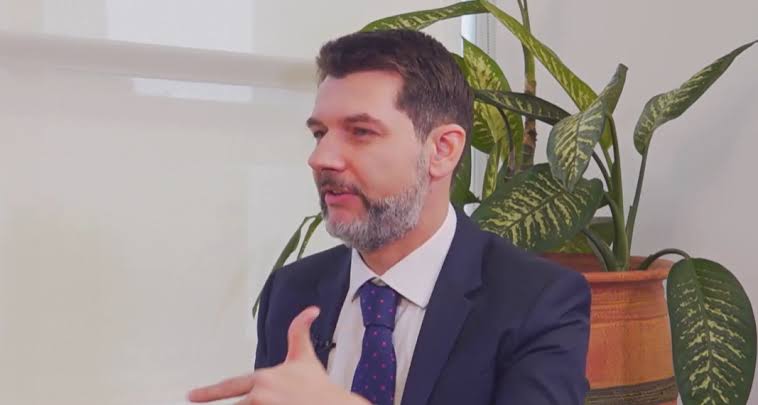
Ghana’s economic recovery faces a significant threat from policy complacency, according to the International Monetary Fund (IMF). Dr. Adrian Alter, the IMF’s Resident Representative in Ghana, identified this as the primary risk to the nation’s economic outlook. This warning comes even as early signs of recovery, including improved private-sector credit growth, become visible.
The IMF's concern stems from the temptation to relax crucial reforms as headline economic indicators improve. Ghana has focused on fiscal consolidation, debt restructuring, inflation control, and exchange-rate stabilisation to manage its immediate crisis. However, the IMF cautions that mistaking stabilisation for structural recovery could lead to a rapid reversal of gains if reform momentum is lost. This distinction is vital for long-term economic health.
This warning fits into Ghana's broader economic narrative of navigating debt distress and seeking sustainable growth. The country secured a GHS 3 billion Extended Credit Facility from the IMF in May 2023 to support its recovery efforts. Sustaining these reforms is critical to prevent a return to the fiscal vulnerabilities that triggered the recent crisis. The government must balance public demands for immediate relief with the need for continued fiscal discipline.
Dr. Adrian Alter stated, “I would say the key risk is policy complacency. That’s the number one risk.” He further emphasised that the recovery is sustainable only if the reform momentum continues. This highlights the IMF’s view that ongoing commitment to structural changes is non-negotiable for Ghana’s economic future.
The implications are clear: Ghana must maintain its commitment to fiscal discipline and structural reforms. Decision-makers will need to resist political pressure to prematurely ease adjustment measures. Markets and investors will closely watch the government’s resolve in continuing revenue reforms and expenditure controls. A sustained, private-sector-led growth model is essential for creating jobs and boosting long-term prosperity.
The IMF noted an encouraging sign in private-sector credit, which expanded by about 40.00% year-on-year. This growth, based on the latest Bank of Ghana data, suggests that reduced macroeconomic risk is beginning to translate into business activity. Stronger credit allows firms to invest, expand, and hire, which is crucial for a durable recovery. This type of lending supports productive businesses, unlike expansion driven by government spending or short-term consumption.
The emphasis on private-sector-led growth reflects the IMF’s belief that Ghana cannot sustainably return to a government-expenditure-driven economic model. Such a model risks recreating the fiscal weaknesses that contributed to the recent crisis. Instead, the state should create conditions for private investment through improved tax predictability, energy reliability, and regulatory certainty. Without these elements, macroeconomic improvements may not translate into sufficient investment and employment for households.
Businesses create most lasting jobs, but they require confidence in stable demand, financing costs, and policy conditions to expand. Therefore, a private-sector recovery needs more than just aggregate credit growth. It demands confidence that the operating environment will remain stable enough for companies to commit capital over several years. This is where reform fatigue becomes particularly dangerous for the economy.
Governments emerging from crises often face intense political pressure to quickly ease adjustment measures. Citizens demand lower taxes, better services, and more public investment. Businesses seek cheaper credit and reduced operating costs. Politicians are incentivised to respond to these demands. However, moving too quickly can undermine the very stability needed to deliver these benefits sustainably.
This creates a paradox for Ghana: the better the economy appears, the easier it becomes to argue that fiscal restraint is no longer necessary. Yet, the IMF maintains that maintaining discipline during recovery may be even more important than imposing it during a crisis. The Fund also expressed concern about Ghana’s external earnings structure. Weaker commodity prices, particularly for gold, cocoa, and energy, could jointly affect the current account balance. Gold is especially important due to its growing contribution to export receipts and foreign-exchange inflows.